Benefits Of CO2 Dental Lasers In Modern Dentistry
Quick Summary
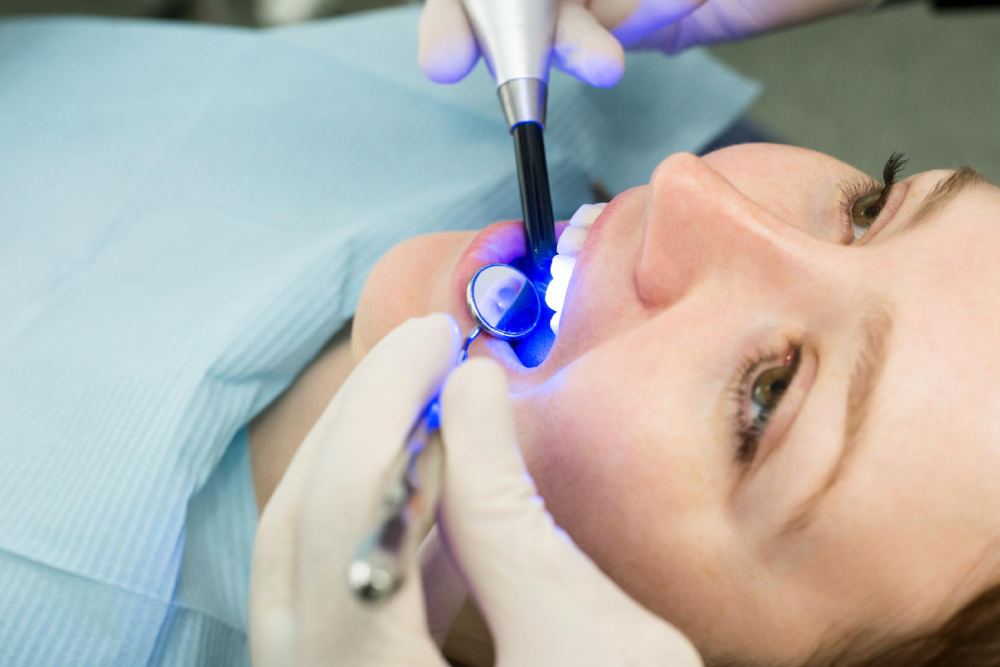
CO2 dental lasers cut and coagulate soft tissue at the same time, which lowers bleeding, shortens healing time, and often removes the need for sutures during minor procedures. The same 10.6 micron wavelength used in a CO2 skin laser gives dentists precise control over depth, so surrounding tissue stays undamaged during gum contouring, frenectomies, and lesion removal.
Soft tissue procedures used to mean a scalpel, sutures, and a longer recovery window for the patient. A CO2 dental laser changes that equation by cutting and sealing tissue in the same pass, which is why more practices are building it into everyday procedures instead of saving it for special cases.
Behind every reliable system sits a set of components working together, including CO2 laser shutter systems that gate the beam with the same precision the procedure itself demands. Getting familiar with what the laser offers helps a practice decide where it fits best in daily use.
Why Dentists Turn to CO2 Lasers for Soft Tissue Work
CO2 lasers operate at a wavelength that water absorbs strongly, and soft tissue in the mouth holds a high water content. This means the beam transfers energy right at the surface, vaporizing tissue while sealing small blood vessels and nerve endings as it moves. The result is a nearly bloodless field during procedures like gum recontouring, frenectomies, and lesion removal, which gives the dentist a clearer view of the treatment area throughout the visit.
Patients also tend to report less swelling and discomfort afterward compared to traditional cutting methods, since the sealed tissue edges reduce the chance of infection and speed up the early stages of healing.
Key Benefits of CO2 Dental Lasers in Daily Practice
Practices that add a CO2 dental laser to their toolkit often see a handful of consistent advantages, including:
- Reduced bleeding during and after soft tissue procedures
- Fewer sutures needed, which shortens chair time and follow-up visits
- Lower infection risk from the sterilizing effect of the beam
- Faster healing and less post-procedure swelling for most patients
- Greater precision around delicate areas near teeth and nerves
These benefits add up across a busy schedule, giving both the dentist and the patient a smoother, more predictable experience from the first cut to the final follow-up appointment. Consistent results depend on a system that performs the same way procedure after procedure, which is where a compact CO2 shutter model supports the laser’s output stage.
How CO2 Dental Lasers Compare to A CO2 Skin Laser
A CO2 skin laser used in dermatology and a CO2 dental laser share the same core wavelength, but the two are built for very different jobs. Skin resurfacing systems are tuned for broader coverage and controlled depth across larger areas of tissue, often working in a fractionated pattern to speed healing after treatments like scar reduction or wrinkle resurfacing.
Dental systems, on the other hand, are built for small, precise movements in a confined space, with power levels adjusted for the thinner, more delicate tissue found in the mouth. Anyone comparing the two should look past the shared wavelength and focus on pulse duration, spot size, and how each system’s beam delivery hardware matches its intended use.
Reliability Behind Modern CO2 Dental Laser Systems
A CO2 dental laser needs to deliver the same output on the hundredth procedure as it did on the first. That kind of consistency comes from the components sitting between the laser tube and the handpiece, particularly the shutter that gates each exposure.
Shutters for medical laser manufacturing should be rated for millions of cycles, since a dental practice may run a system dozens of times a day across years of service. A shutter that drifts in timing or power handling can throw off treatment depth in ways that are hard to notice until a patient reports an inconsistent result.
Safety Considerations for CO2 Laser Use in the Dental Office
Every CO2 dental laser installation needs a clear safety protocol built around the equipment, the room, and the people inside it. Standby mode should close the beam path automatically between uses, protective eyewear rated for the 10.6 micron wavelength should stay on hand for the entire team, and the room needs proper ventilation to clear the plume created during tissue ablation.
A safety interlock system tied to the door or the handpiece cradle adds another layer of protection, closing the beam automatically if a fault occurs or someone enters the treatment area unexpectedly. Building these habits into daily practice keeps both staff and patients protected without slowing down the workflow.
Dependable CO2 Shutter Components from NM Laser Products
At NM Laser Products, we build the shutters and controllers that keep CO2 dental laser systems delivering consistent, safe output procedure after procedure. Our team has spent over 35 years developing high-power, high-reliability shutter technology, and every unit we manufacture is made in the USA to meet the demands of daily clinical use.
If your system calls for a standard CO2 model or a fully custom design built around a specific handpiece or power range, we work directly with your engineering team to match the shutter to the application. Our components are built for long service life, often rated for hundreds of millions of cycles, so treatment quality stays steady from the first patient of the day to the last.
Reach out to our team to talk through your CO2 dental laser project, or submit your specs through our online RFQ page to get a shutter built around your exact requirements.
FAQs
What makes a CO2 dental laser different from other dental lasers?
A CO2 dental laser targets water in soft tissue, allowing it to cut and seal in the same motion, while other dental laser wavelengths are better suited to hard tissue or different soft tissue depths.
Is a CO2 skin laser the same equipment as a CO2 dental laser?
They share the same wavelength, but a CO2 skin laser is built for broader skin resurfacing work while a dental system is designed for small, precise movements inside the mouth.
How often does a CO2 dental laser need servicing?
Service intervals depend on daily use, though most practices follow the manufacturer’s recommended schedule and pair it with routine calibration checks to catch any drift in output early.
Related Blogs
Why You Should Consider An LCD Optical Shutter
Quick Summary Liquid crystal shutters block and transmit light thr...
Read more
Why Choose A CO2 Laser Shutter Manufacturer For Your Business Needs
Quick Summary Selecting a manufacturer for CO2 laser shutter compo...
Read more
Why Adjusting The Diagonal On Your CO2 Laser Machine Matters
Quick Summary How well a CO2 laser machine's beam tracks acro...
Read more