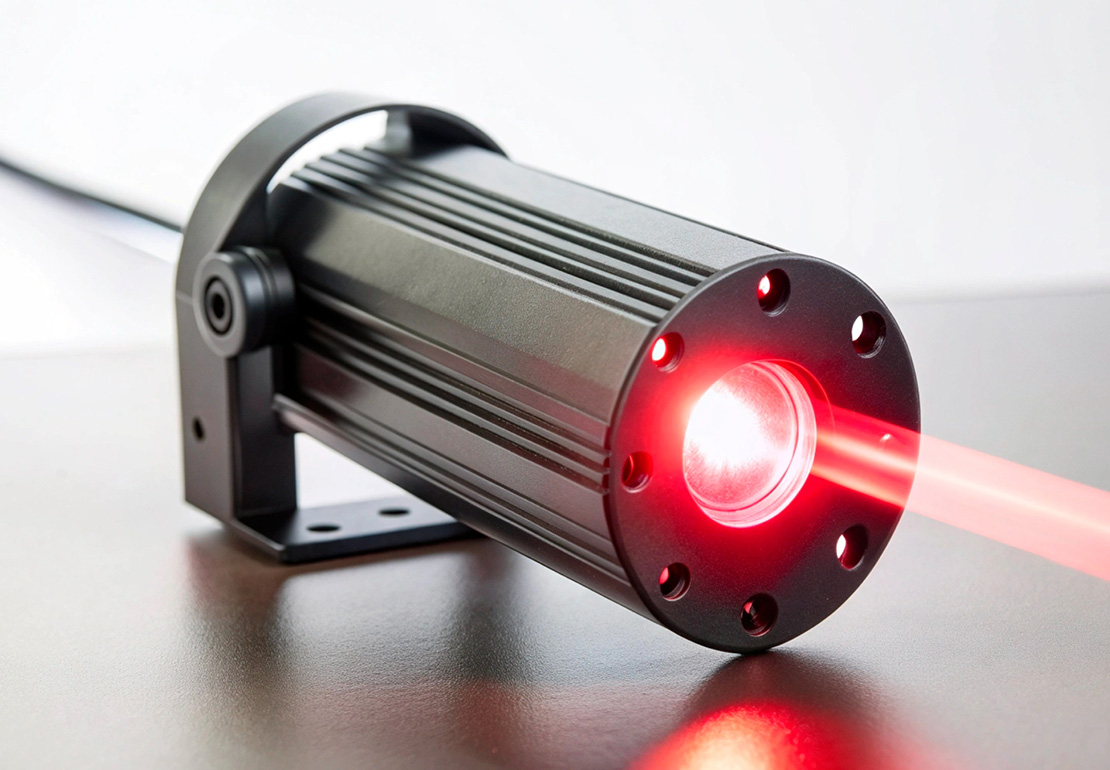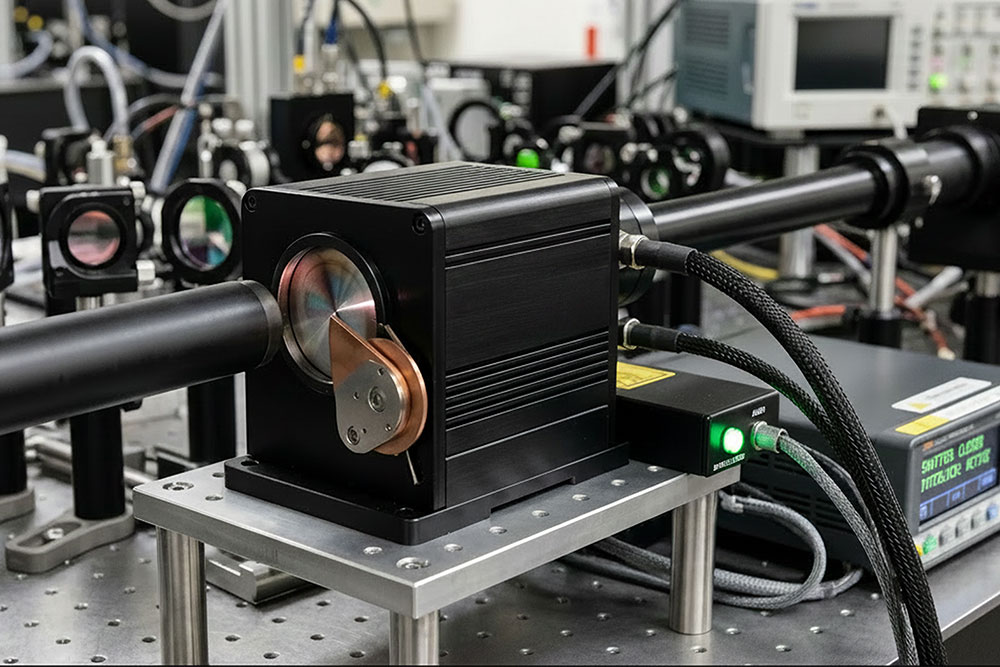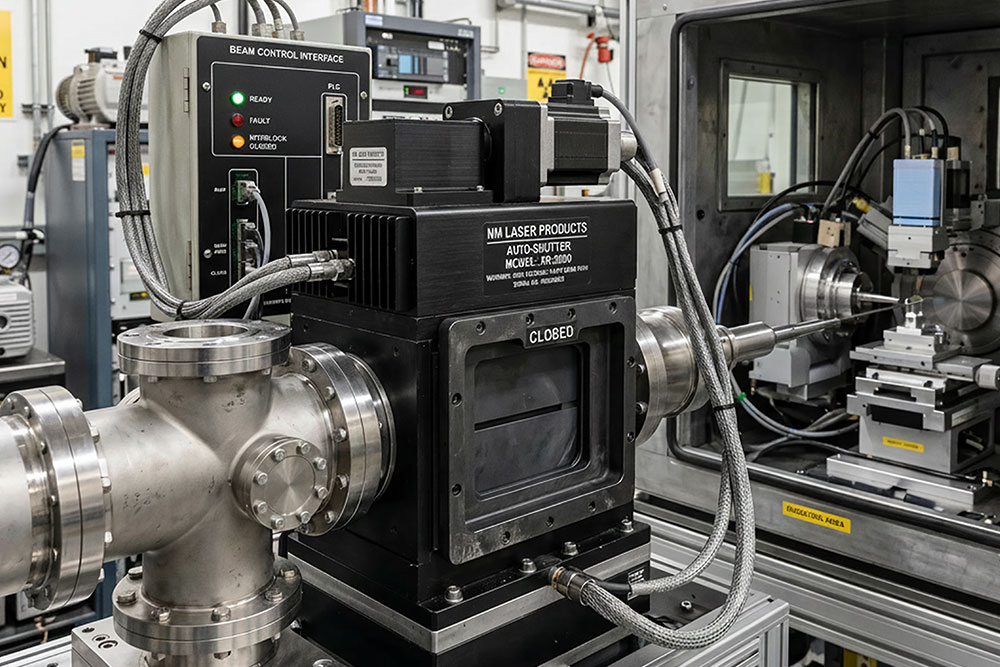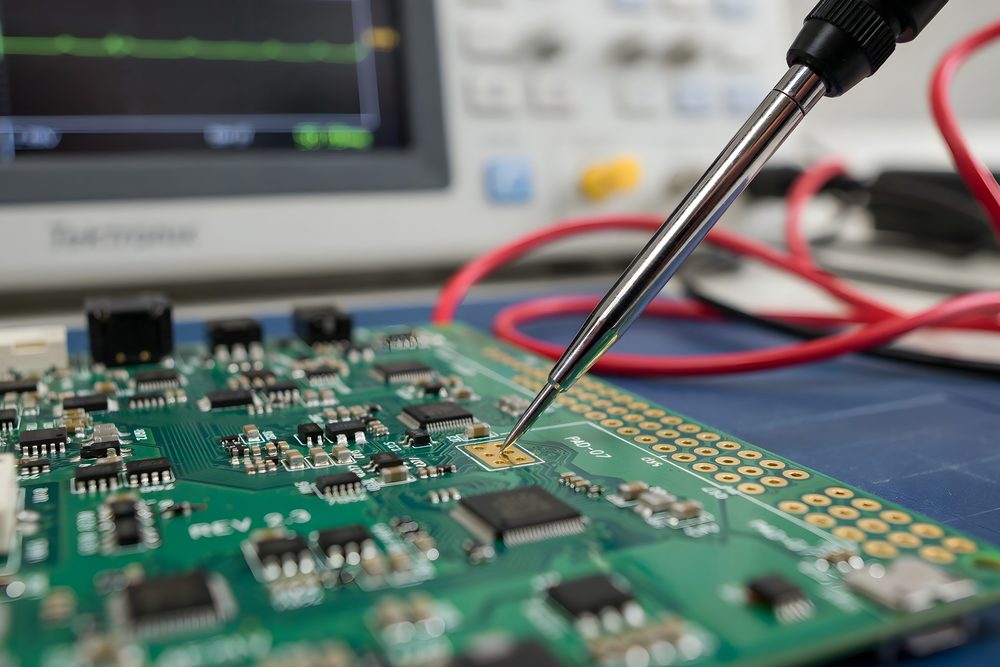
Why Does The Laser Shutter Close Automatically ...
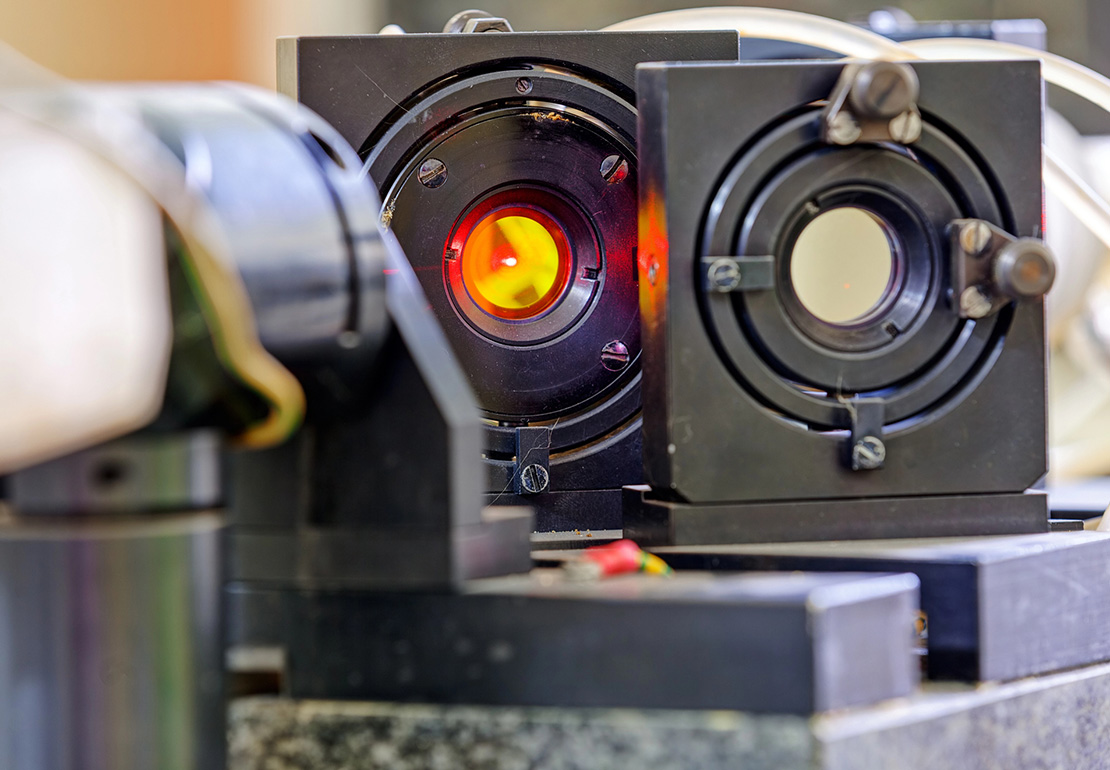
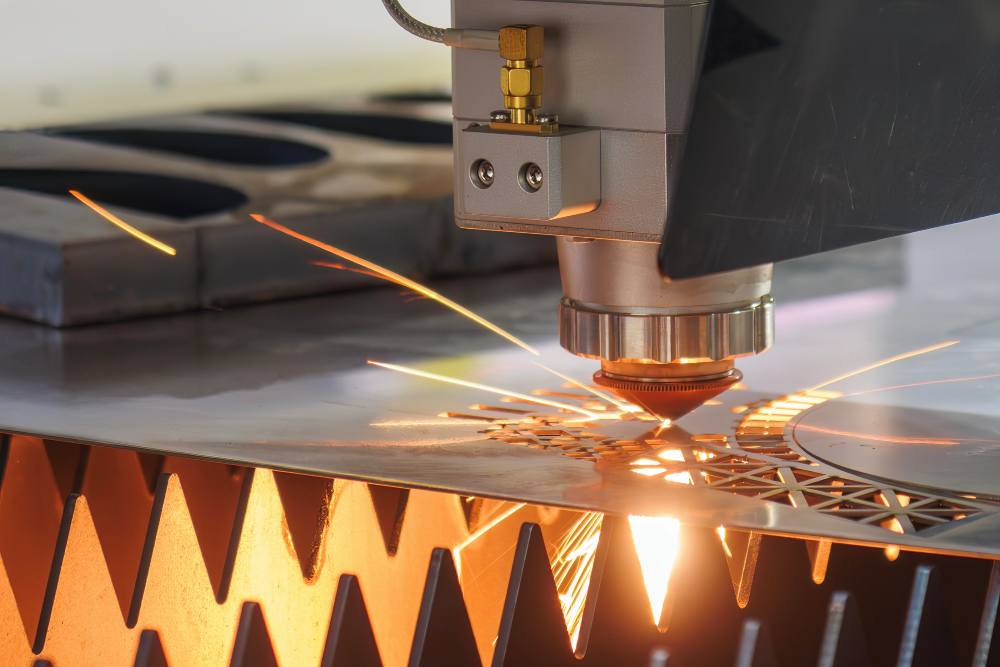
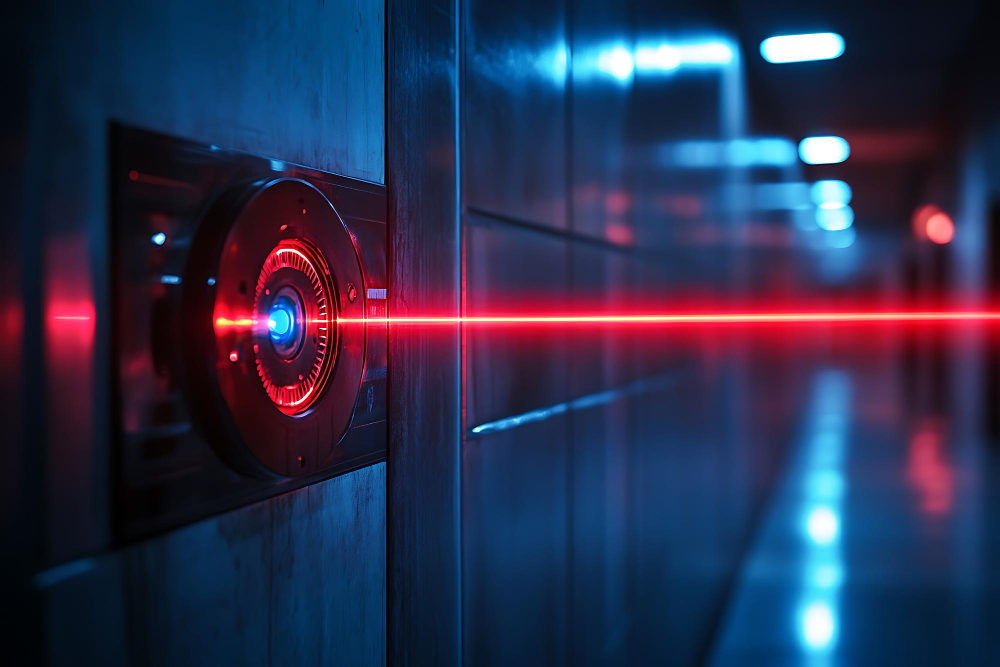
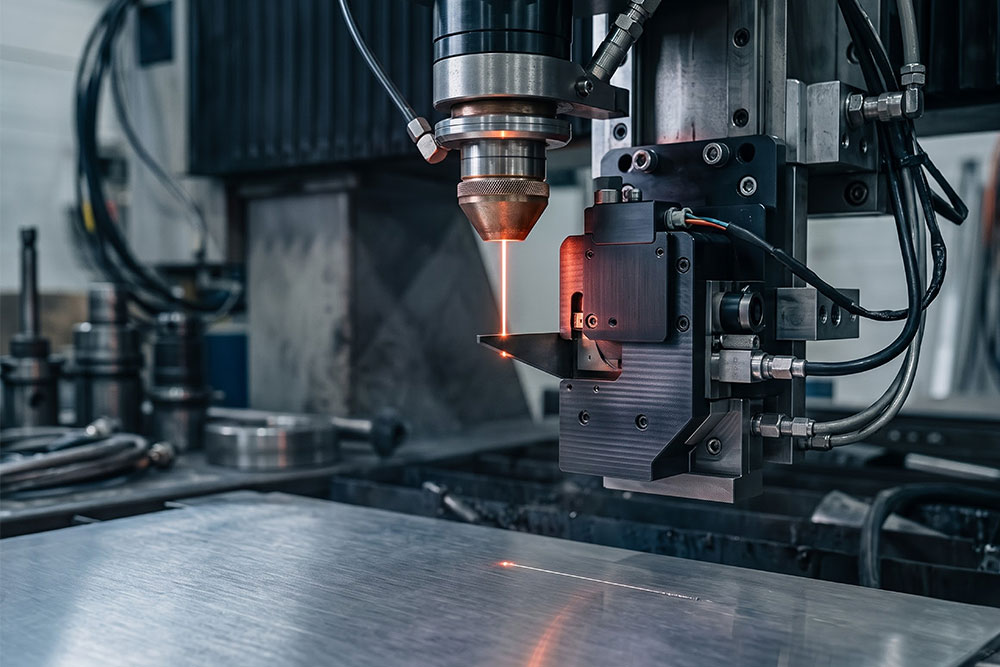
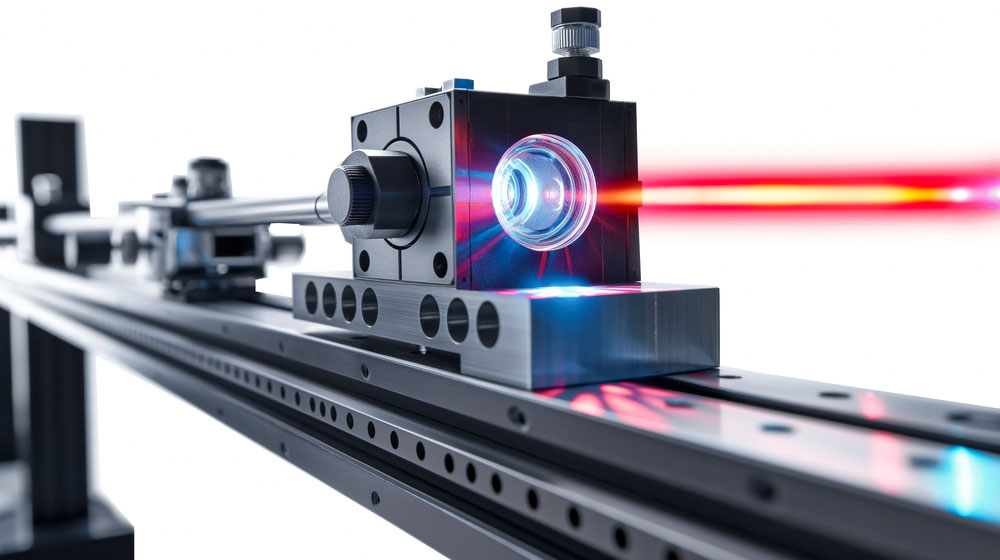
Quick Summary Automatic shutter closures usually come from a fail-closed design responding to a break in the control chain. Interlock trips, power dips, signal loss, thermal protection, low holding current, and programmed timing account for[…]
Read More
September 22, 2026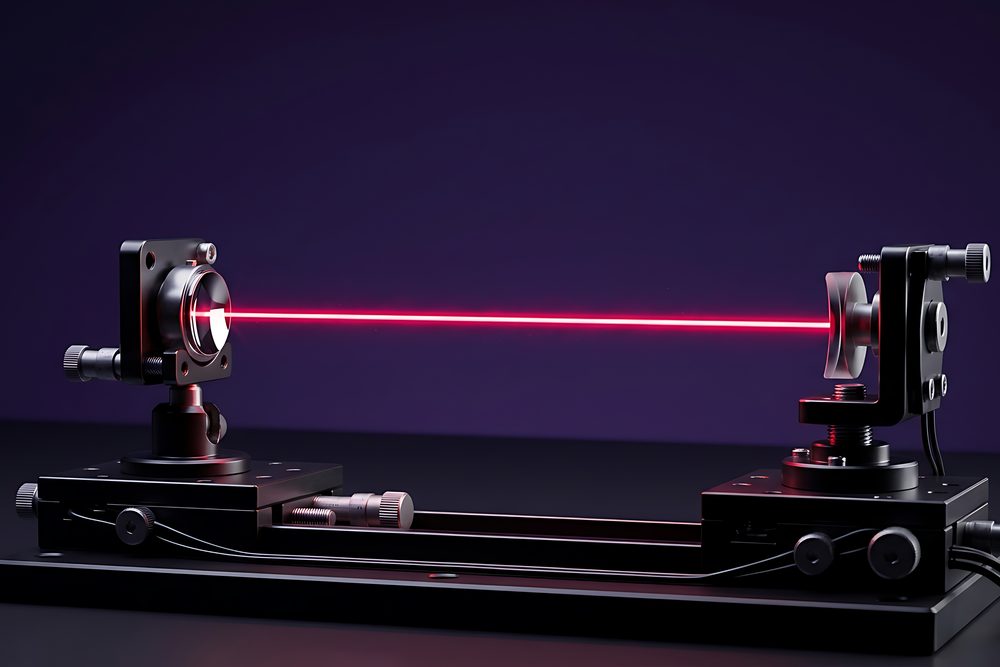

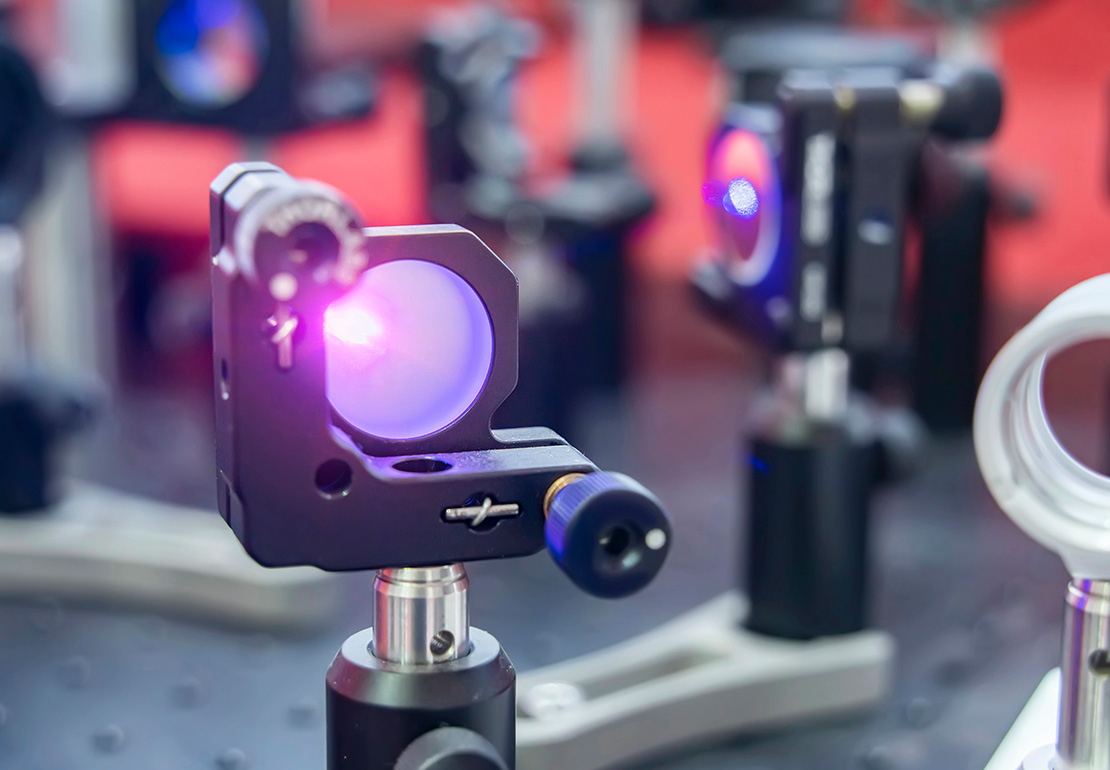
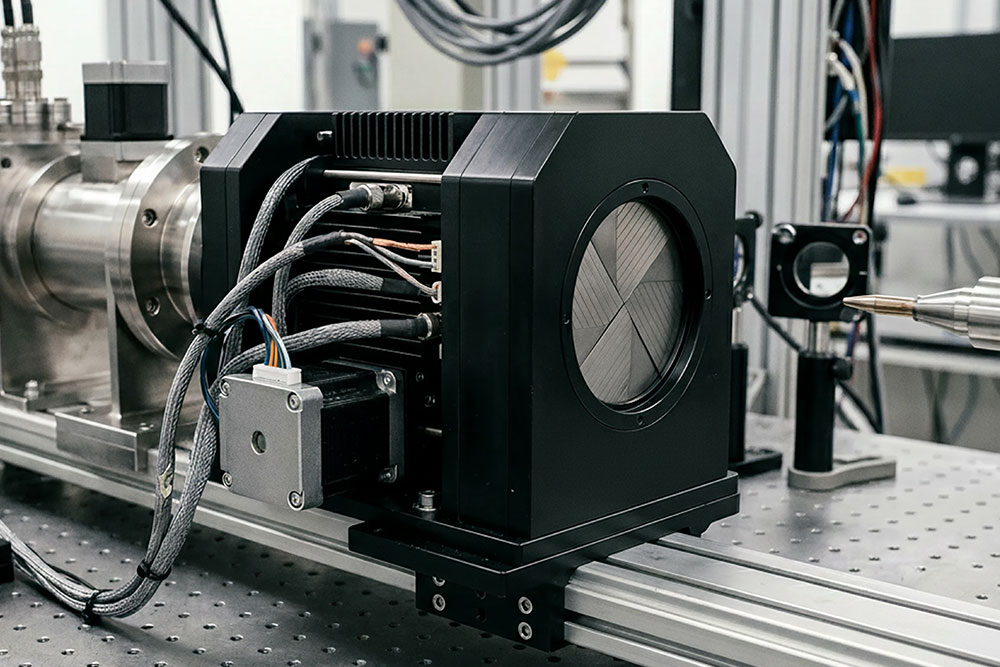
How To Identify And Fix Common Laser Shutter Al...
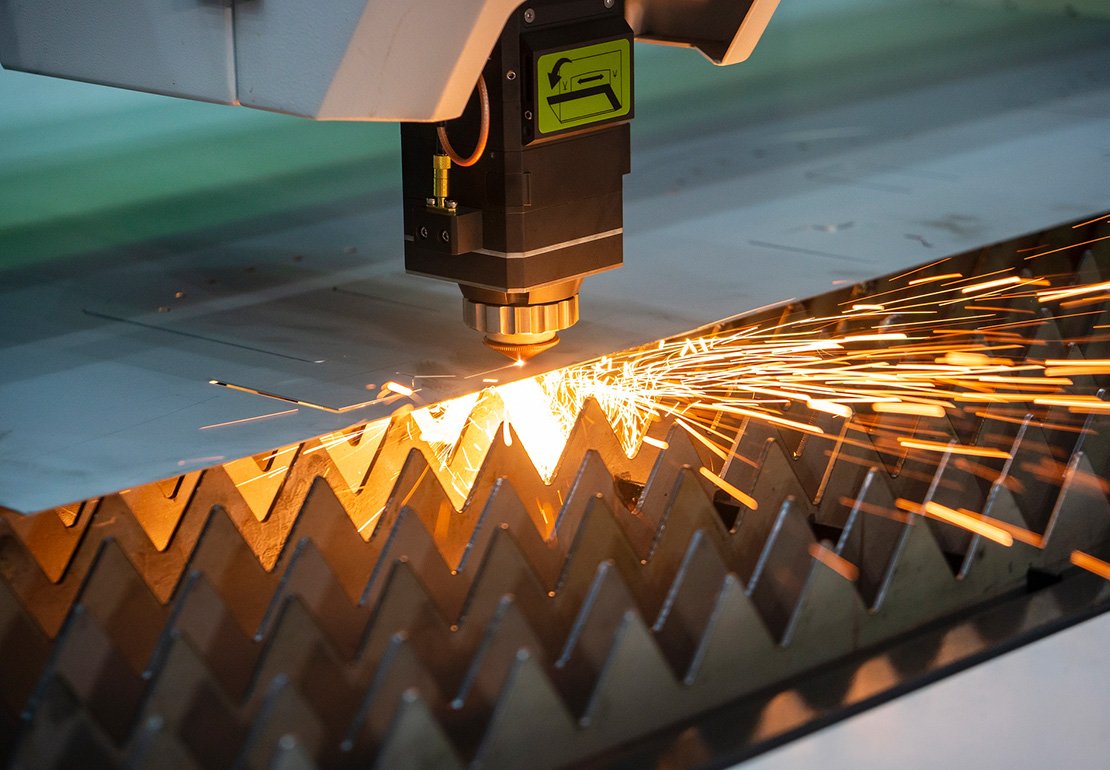
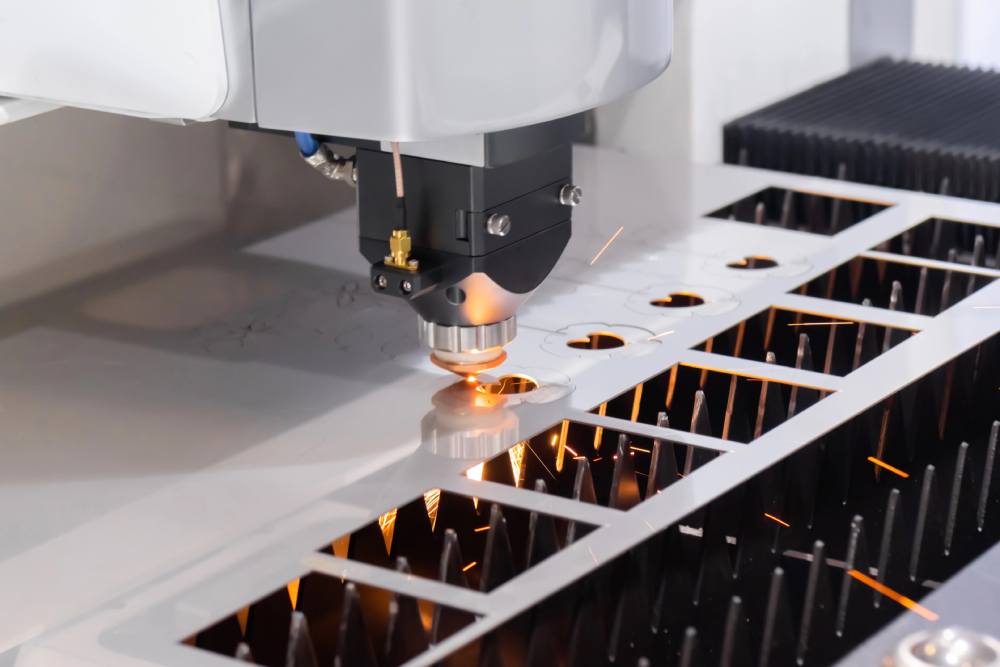
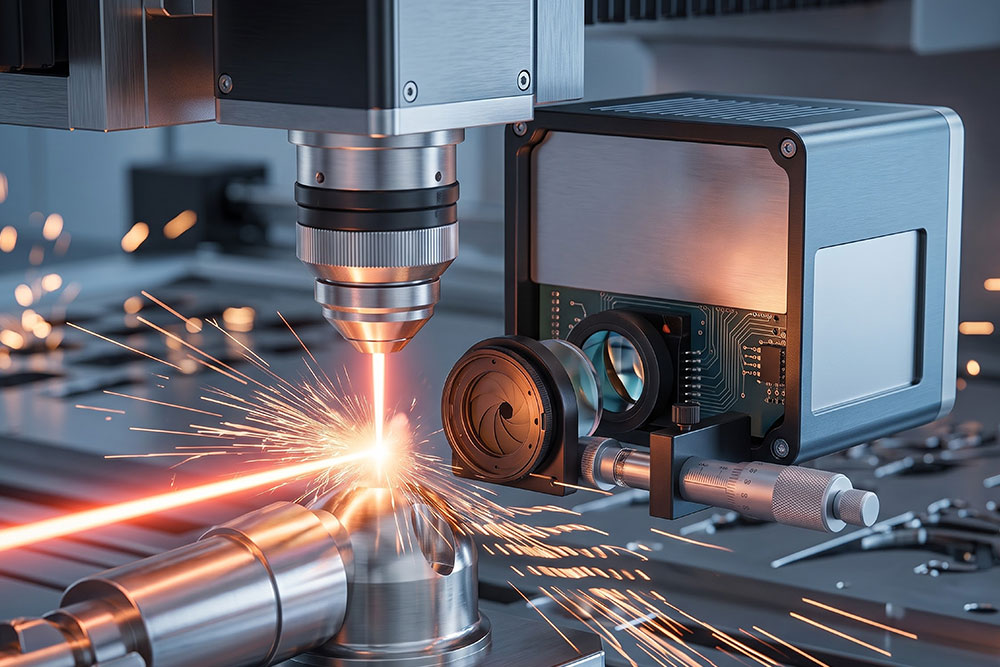
Quick Summary Clipped beams, light leakage, hot spots, and source instability frequently stem from alignment issues that resemble electrical faults. A power meter or photodiode placed after a closed shutter reveals how well the blade[…]
Read More
September 20, 2026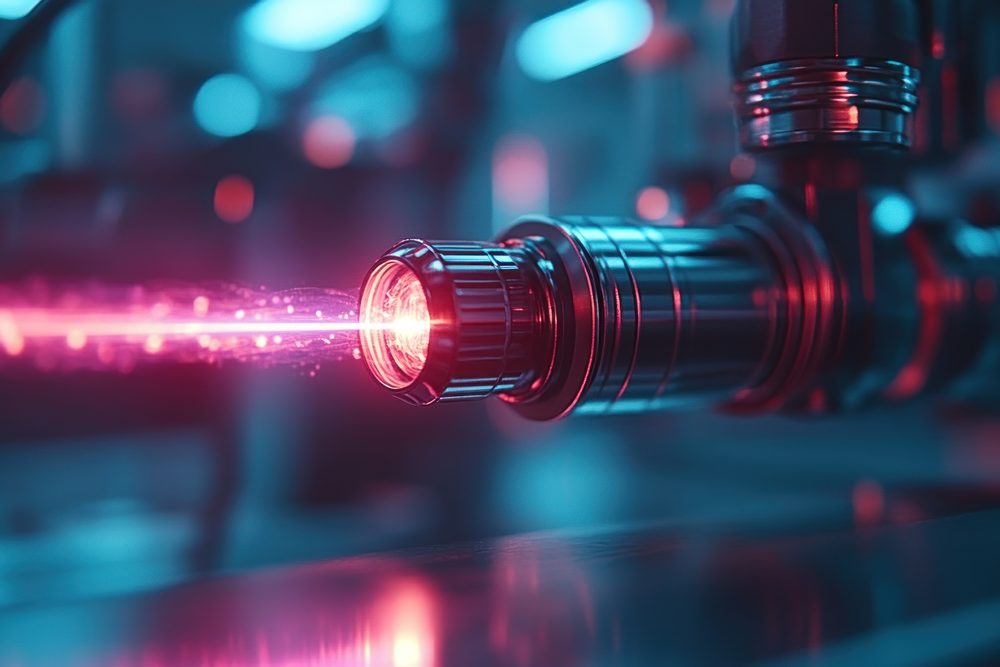
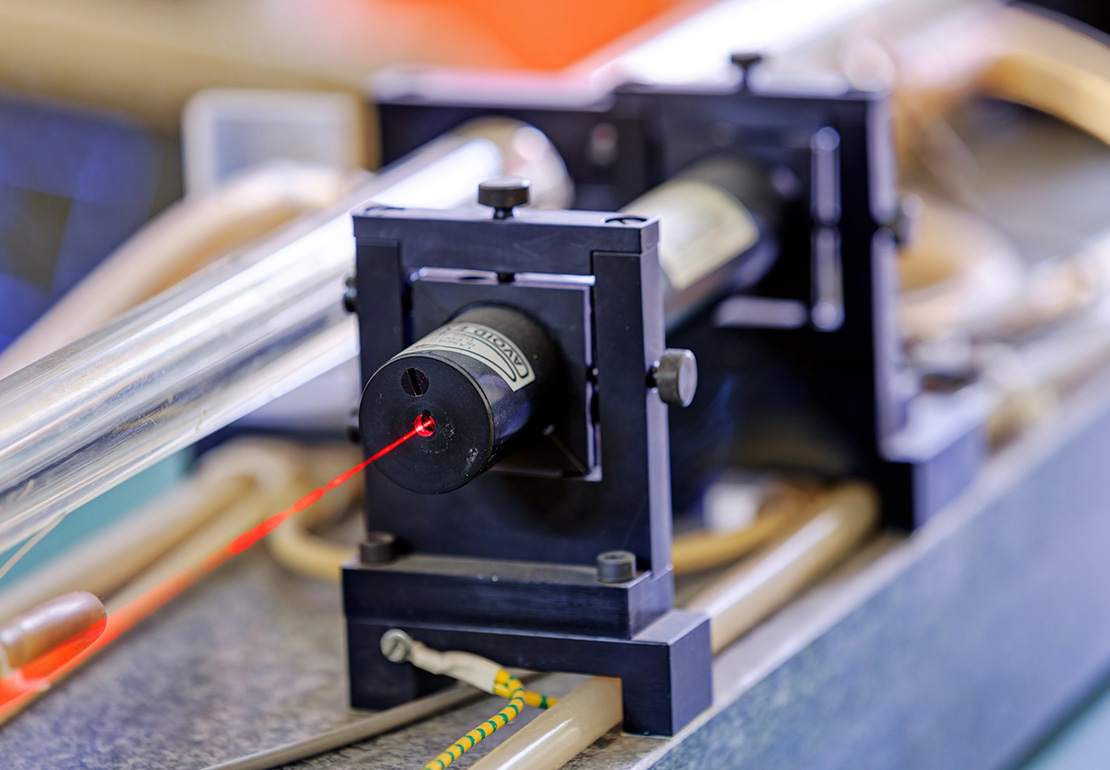
Exploring Laser Beam Shutter Trends And Opportu...
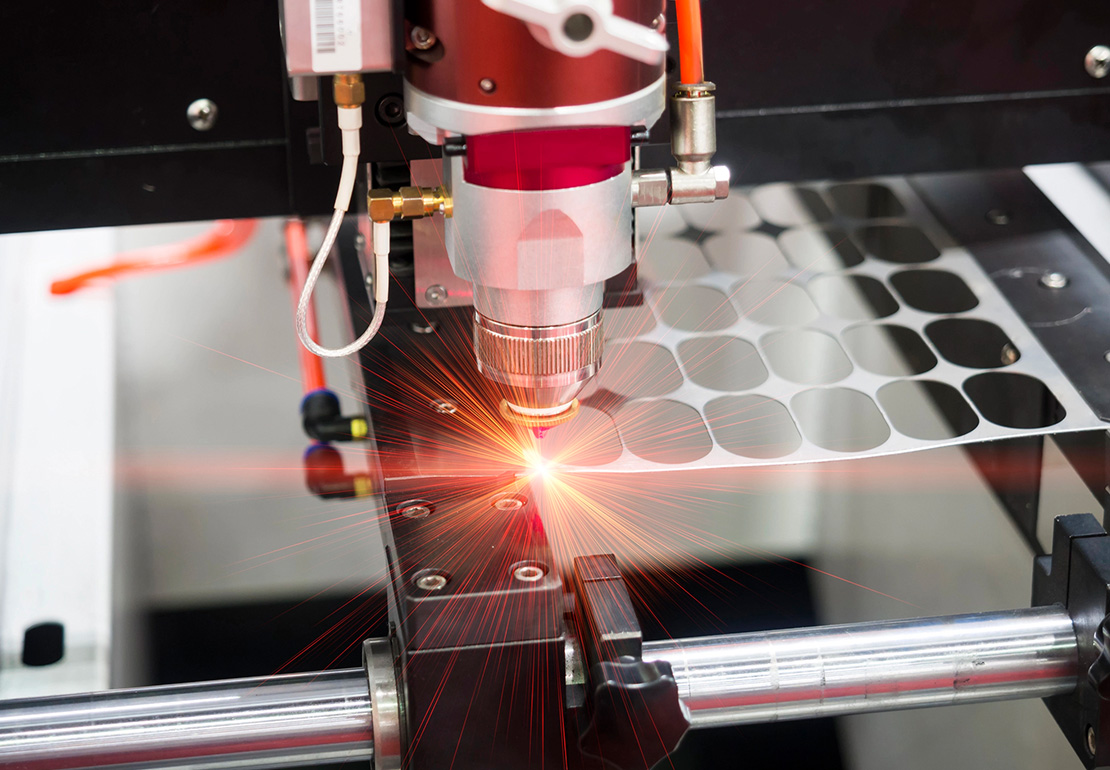
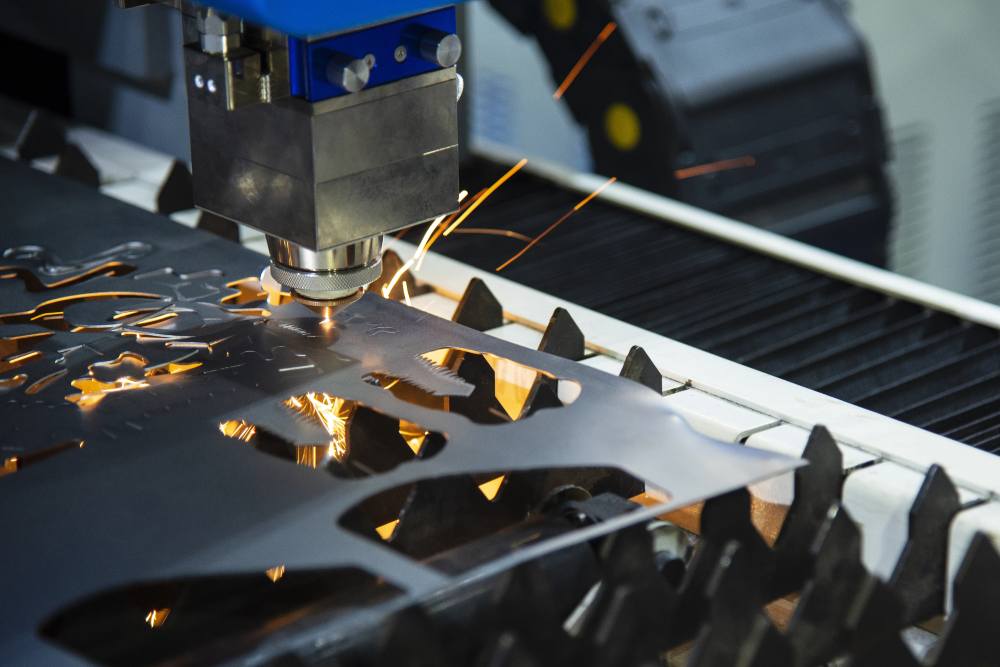
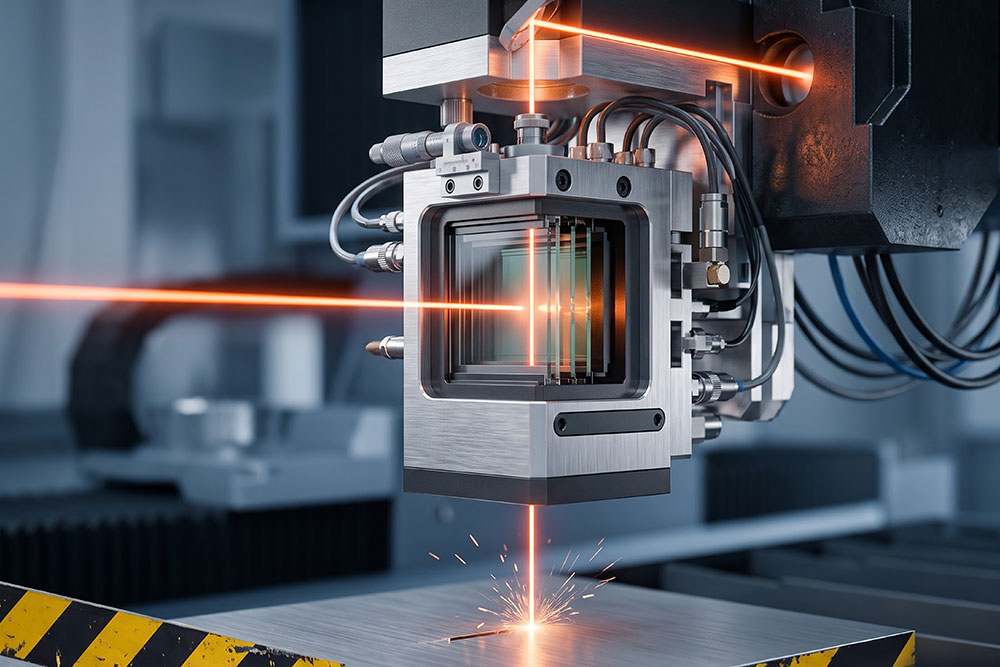
Quick Summary Semiconductor reshoring, medical and biotech equipment, and quantum research are raising expectations for beam control through 2033. Shutter design is heading toward higher power handling, faster switching, longer service life, compact housings, and[…]
Read More
September 19, 2026
Evaluating The Need For Class 5 Lasers In Moder...
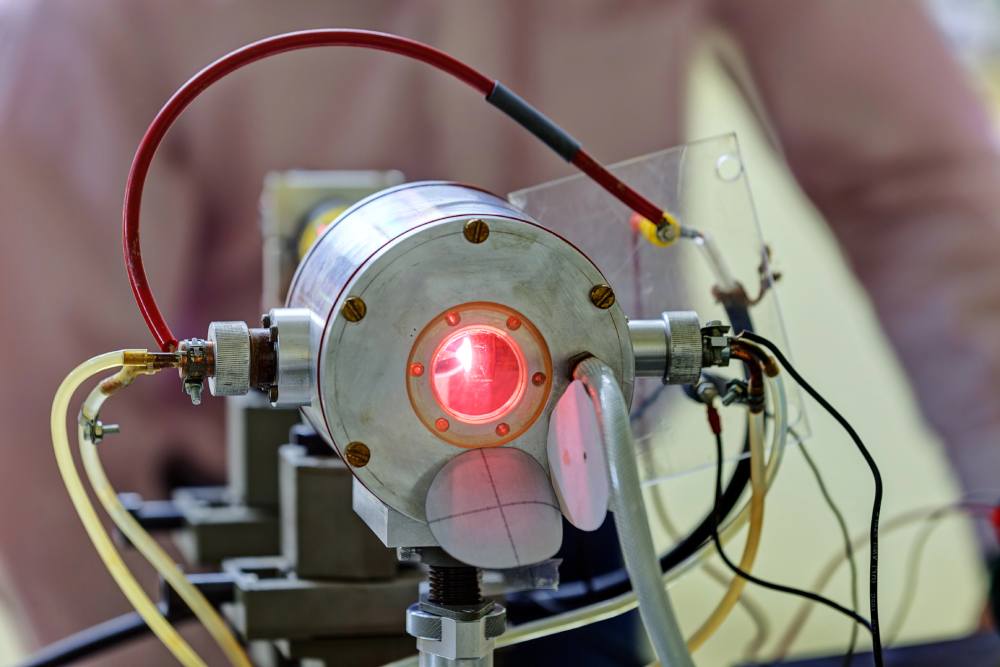
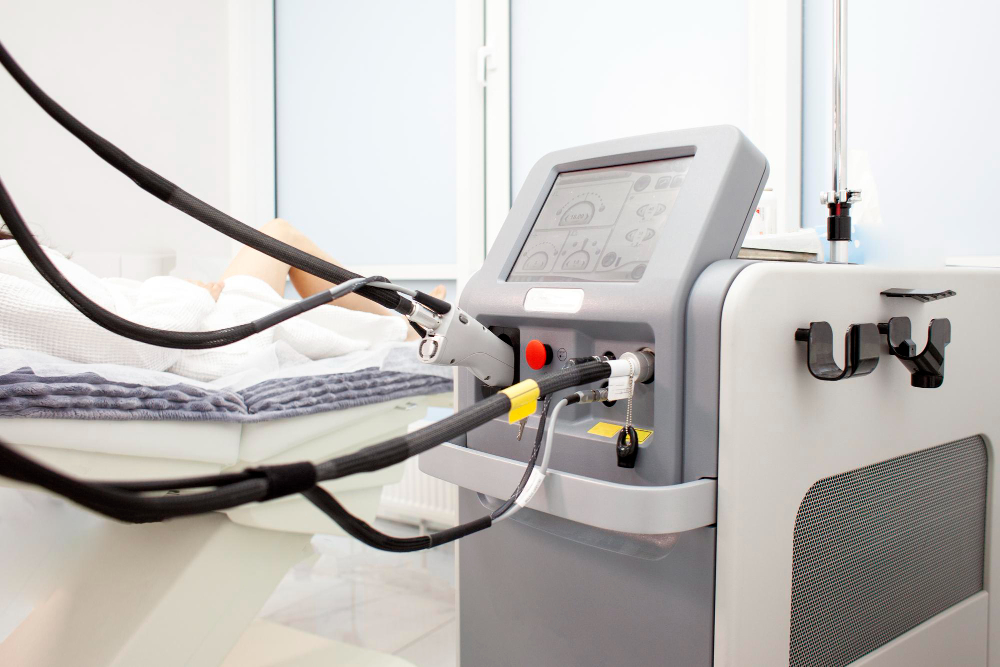
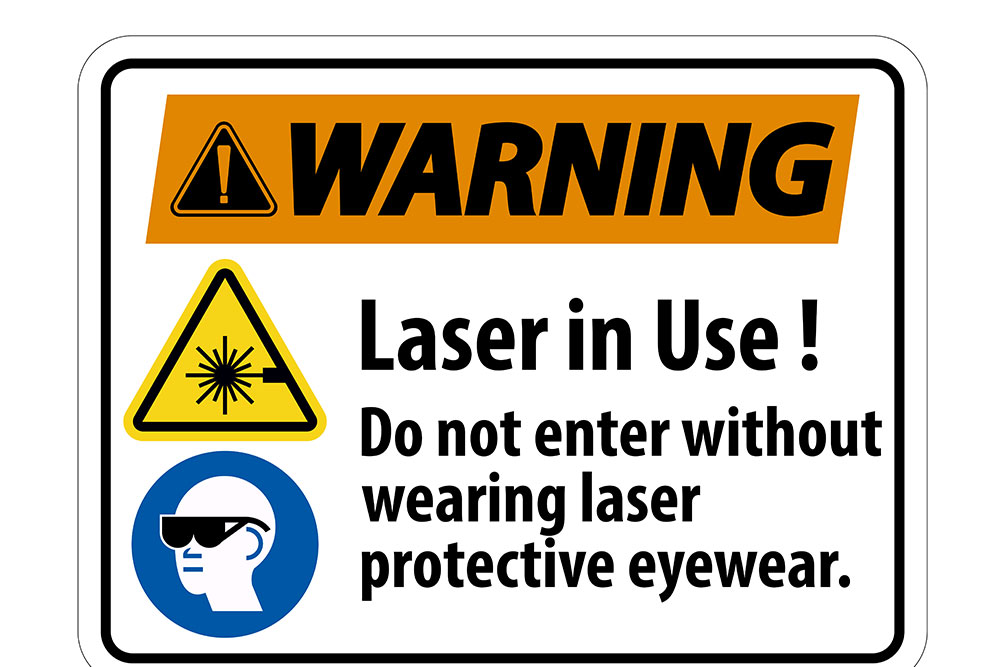
Quick Summary Recognized laser safety standards stop at Class 4, and references to a fifth class usually stem from miscounted FDA tiers or inflated marketing labels. Class II lasers serve as low-power visible tools and[…]
Read More
September 18, 2026
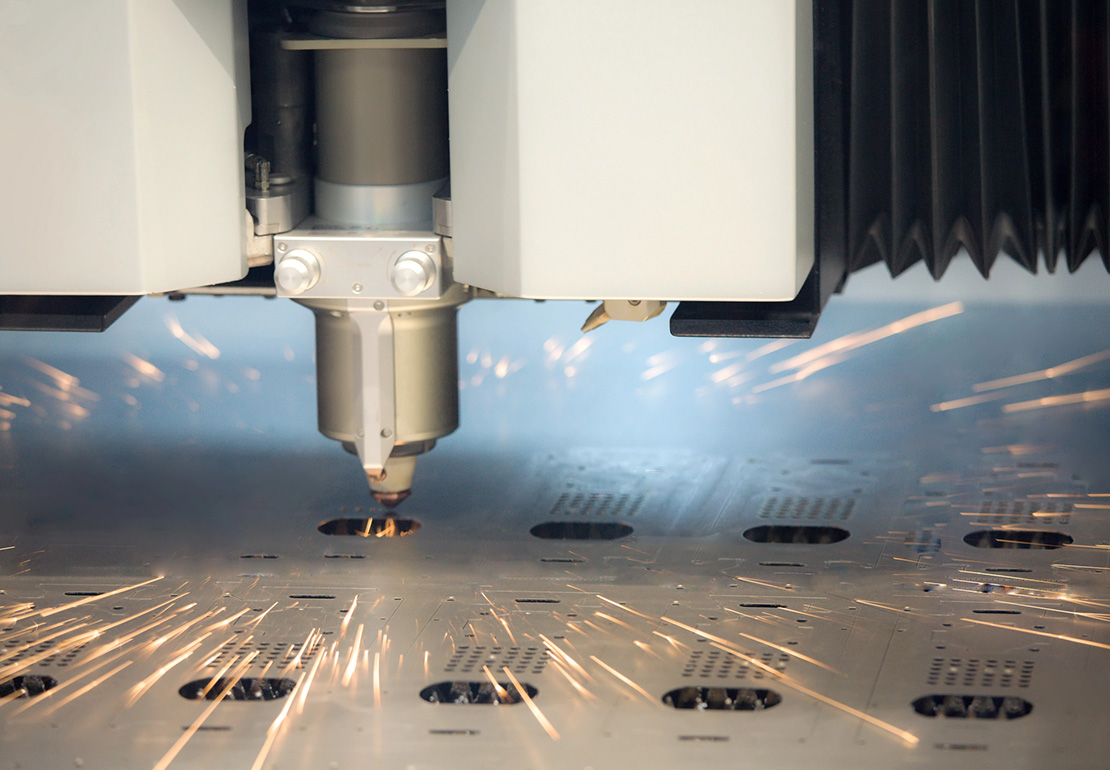
Class 3B Vs. Class 4 Lasers: Understanding The ...
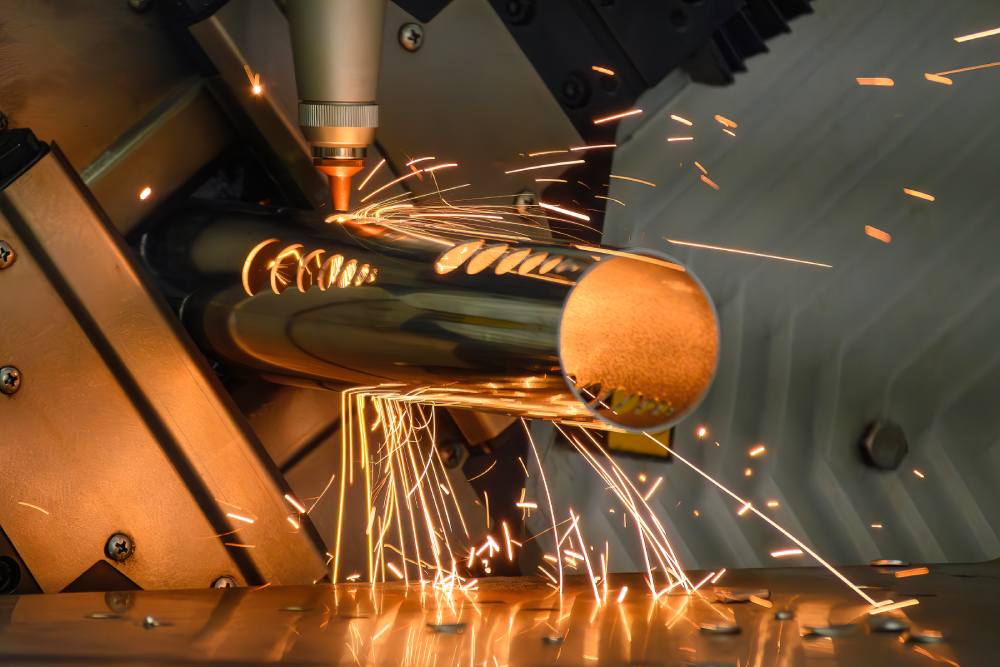
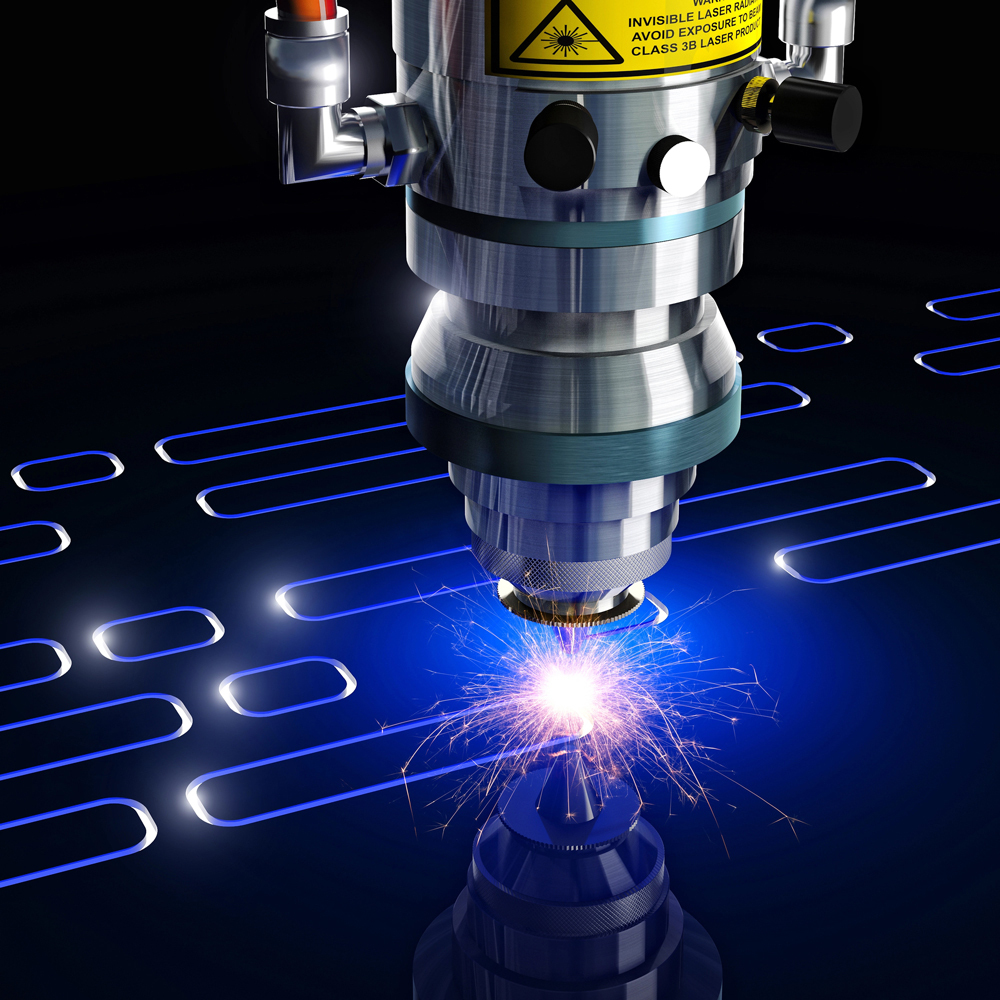
Quick Summary Class 3B and Class 4 lasers both pose direct eye hazards, and Class 4 adds risks from skin burns, fire, diffuse reflections, and process fumes. Higher classes carry stricter FDA product features, including[…]