An optical shutter is a critical component in various optical systems, providing precise control over the transmission of low-power imaging light. Whether you are involved in scientific research, biotechnology, or advanced imaging systems, our optical shutters offer the reliability and performance necessary to achieve superior results.
NM Laser Products provides a range of high-quality optical shutters designed to cater to diverse needs across different industries. Our optical shutters are known for their durability, precision, and versatility, making them ideal for various low-power applications. Our key models include:
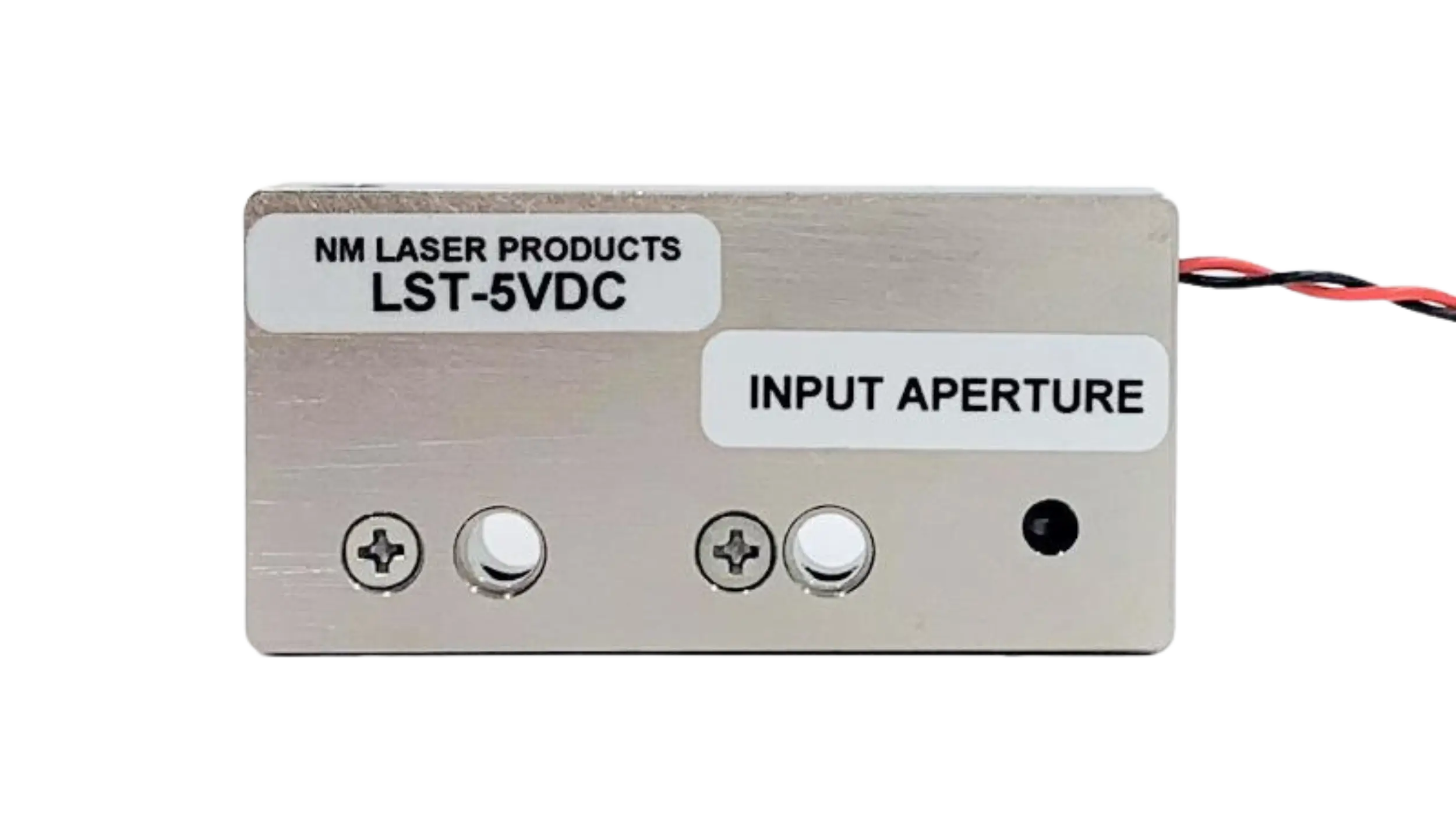
Features
Optical Power Handling: 1 W
Aperture: 3 mm
Switching Speed: 2 ms
Direct Drive: 5V DC
No Controller PCB Needed
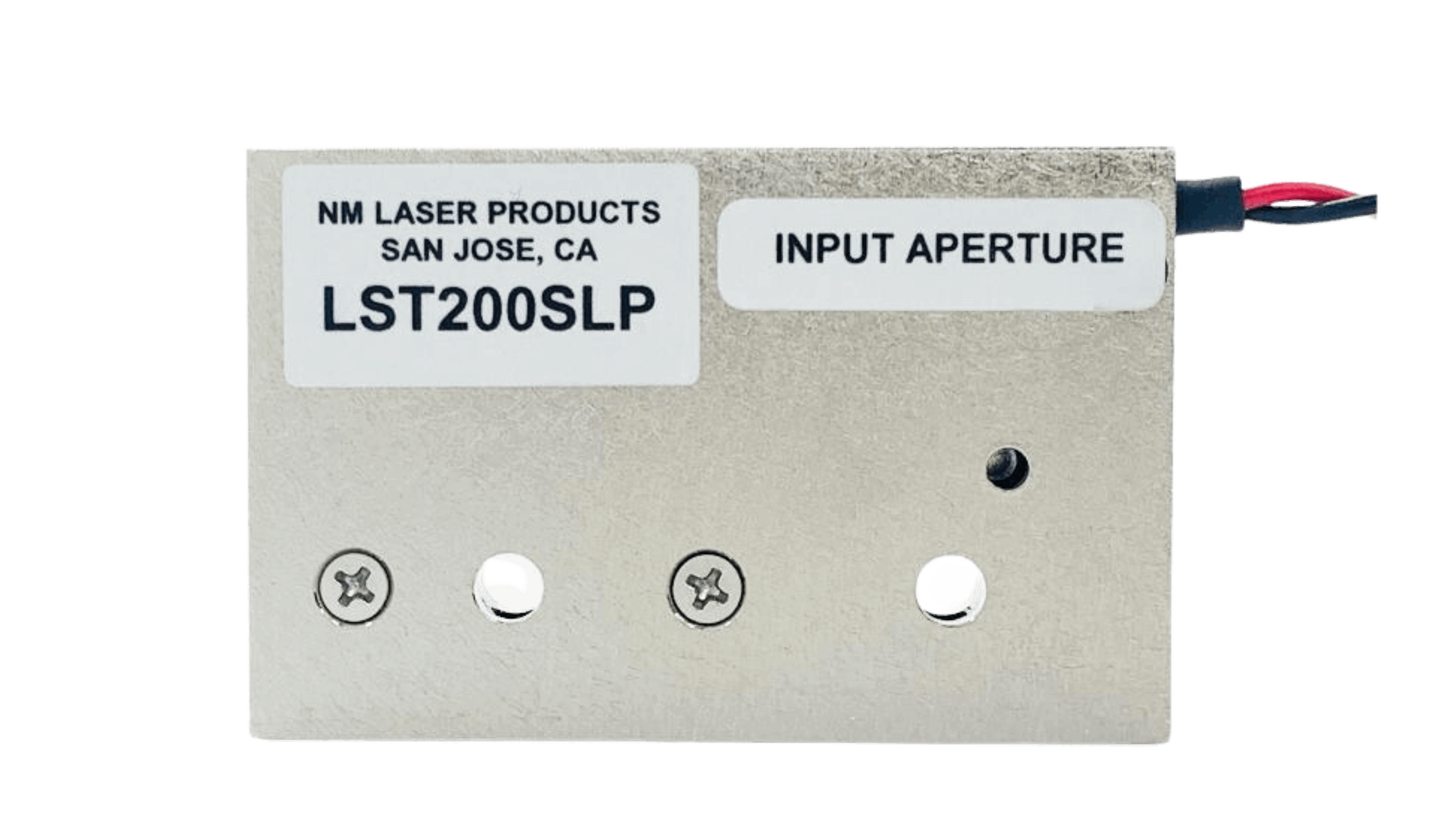
Features
Optical Power Handling: 2 W
Aperture Size: 2.3 mm
Switching Speed: 1 ms
Lifetime: Billions of Cycles
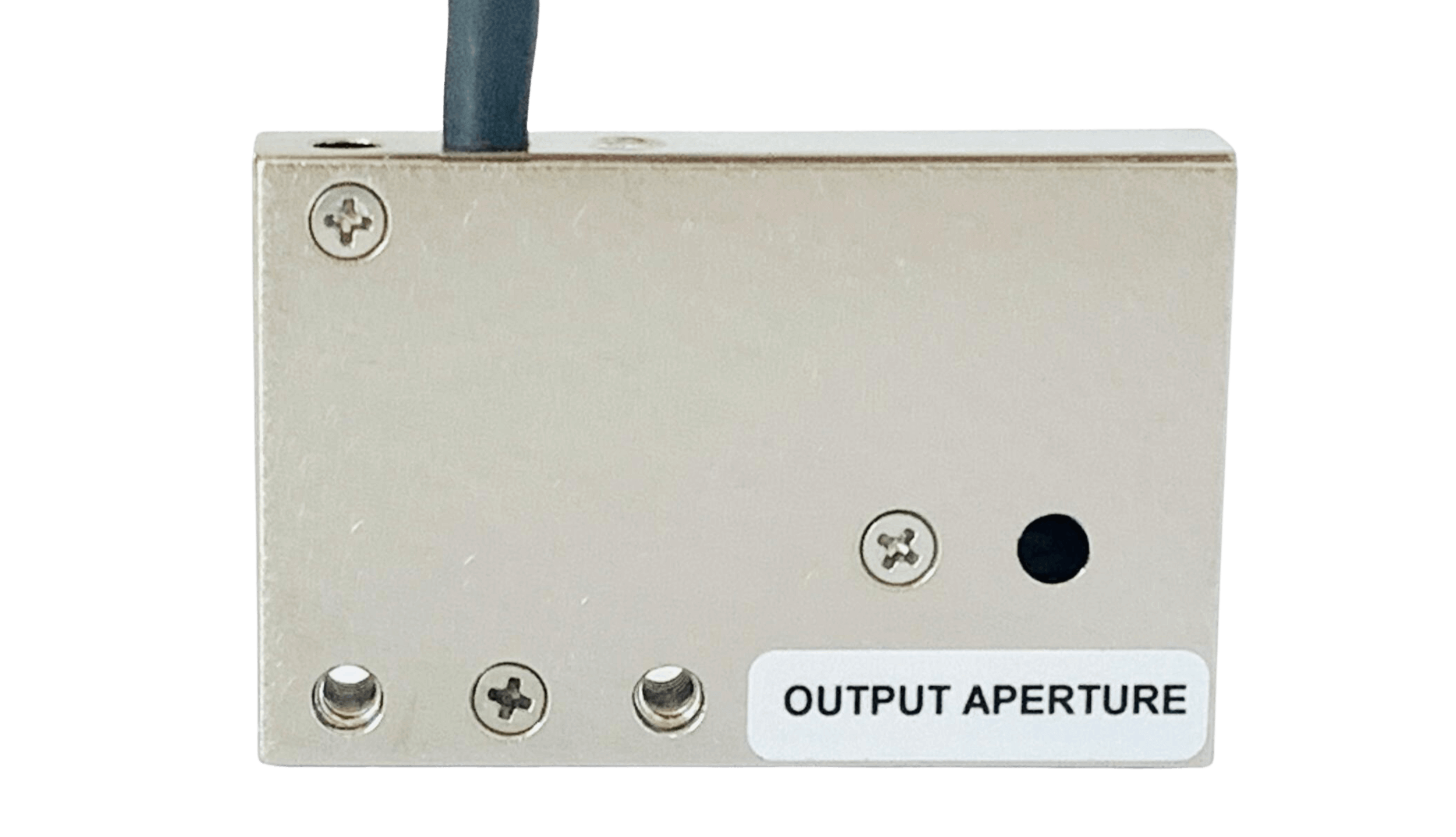
Features
Optical Power Handling: 6 W
Aperture: 4 mm
Switching Speed: 8 ms
Position Sensors
Optics: Broadband
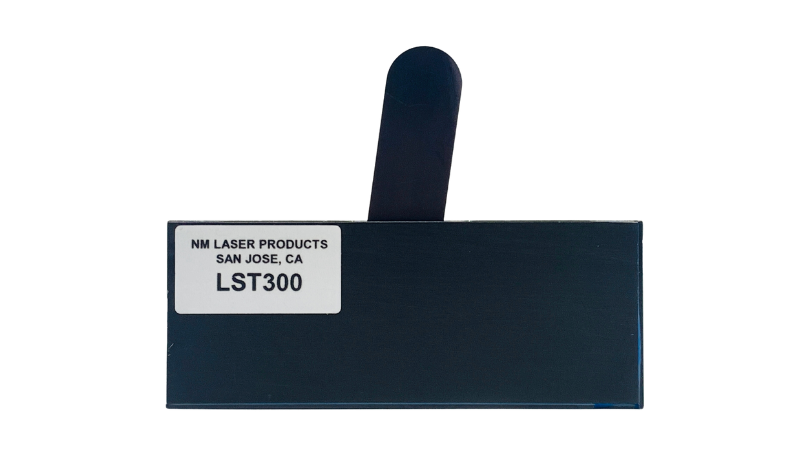
Features
Optical Power Handling: 10 W
Aperture: 10.5 mm
Rep Rate: 5 Hz
LIDT: 500 mJ/cm²
Thin Optical Tongue Shutter
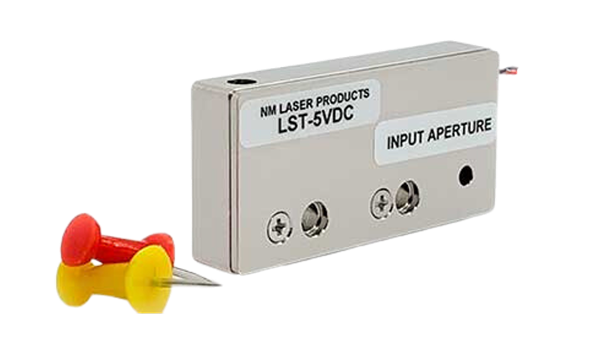
NM Laser Products offers electromechanical optical shutters for precise, repeatable control of low-power and process light. Models differ in aperture, switching speed, optical power handling, sensing, and drive requirements, with custom options available when a standard shutter does not match the system.
NM Laser Products designs electromechanical optical shutters for low-power and process applications, with models offering different aperture sizes, switching speeds, power ratings, sensors, and drive requirements. Selecting the correct configuration starts with the optical source, beam diameter, exposure timing, repetition rate, and integration needs.
NM Laser’s optical shutters are electromechanical devices that physically block or expose the optical path. An electrical command moves the shutter element between open and closed positions, allowing a system to control when light reaches a detector, sample, imaging sensor, or downstream optical component. Many NM Laser designs use patented flexure technology to reduce mechanical complexity and support repeatable operation.
The exact response depends on the model and its drive electronics. Switching speed, open and close delay, minimum exposure time, repetition rate, and duty cycle should all be evaluated together. Some models, such as the LST-5VDC, can be driven directly from 5 V DC, while other shutters may require a dedicated controller or a properly designed user drive circuit.
Optical shutters are useful anywhere a system needs repeatable control of low-power or moderate-power light exposure. Common applications include:
Microscopy and scientific imaging, where controlled exposure can improve measurement repeatability and reduce unnecessary sensor illumination.
Spectroscopy and optical measurement systems that need timed light gating during data acquisition.
Biotechnology instrumentation and exposure systems that require controlled optical timing over repeated cycles.
Photonics and optical test equipment used to route, block, or gate light during experiments and device evaluation.
Semiconductor inspection and other precision optical systems where synchronized light control supports repeatable measurements.
The terms optical shutter and laser shutter are sometimes used broadly, but the operating requirements can differ.
Optical shutters are commonly selected for lower-power imaging, measurement, and light-control applications.
Laser shutters are typically designed for higher irradiance, higher optical power, greater pulse energy, or safety-interlock and process-control requirements.
Engineers should compare wavelength, CW power, pulse energy or fluence, beam diameter, aperture, switching time, repetition rate, optical coating, thermal requirements, and control architecture. Some NM Laser models can serve more than one role depending on their configuration and the application.
High-quality optical shutters provide exact control over the transmission of light, which is essential for applications that require precise timing and modulation of light exposure. This precision is crucial in fields such as spectroscopy, microscopy, and advanced imaging, where accurate light control can significantly impact the quality of the results.
Optical shutters help to manage light exposure effectively, reducing the risk of damage to sensitive optical components and improving the overall safety of the system. They also enhance the efficiency of optical systems by ensuring that light is used only when necessary, minimizing energy consumption and prolonging the lifespan of the components.
Our shutters are versatile, handling various power levels and wavelengths, adaptable to diverse optical systems. Customizable to specific needs, they excel in applications ranging from light modulation to intricate laser setups.
Engineered from high-quality materials, our shutters ensure long-term reliability and durability. Built to withstand continuous operation in demanding environments, they deliver consistent performance, reducing maintenance needs and downtime.
When comparing optical shutters, start with the beam and the required timing. Key parameters include wavelength, optical power, pulse energy or fluence where applicable, beam diameter, aperture, switching speed, repetition rate, duty cycle, position sensing, drive voltage, controller compatibility, and thermal mounting.
Use the NM Laser product matrix to compare shutter models by core specifications. If a standard product does not fit the system, NM Laser also develops custom optical shutters for OEM, industrial, laboratory, and research applications, including changes to aperture, package geometry, optics, and electronic drive requirements.
We pride ourselves on delivering unparalleled quality, precision, and reliability in our optical shutter solutions. Leveraging years of industry experience, our high-performance shutters consistently meet the exacting demands of diverse applications, spanning from biotechnology to advanced imaging systems. What sets us apart is not just the excellence of our products but also our unwavering commitment to customer satisfaction. Our dedicated team provides exceptional support, ensuring that you can maximize the potential of our products and achieve your goals effectively. With us, you’re not just getting cutting-edge technology; you’re getting a trusted partner in your pursuit of innovation and success.
If you have any inquiries about our optical shutters, feel free to Contact us today.
An optical shutter is a device that opens or closes an optical path to control when light is transmitted through a system. NM Laser’s electromechanical shutters are used for timed exposure, modulation, process control, and related optical applications.
An electrical command moves the shutter element between open and closed positions, physically blocking or exposing the optical path. The exact response depends on the model and its drive electronics. Some models, such as the LST-5VDC, can be driven directly from 5 V DC, while others require a dedicated controller or a properly designed drive circuit.
Common applications include microscopy and scientific imaging, spectroscopy and optical measurement systems, biotechnology instrumentation, photonics and optical test equipment, and semiconductor inspection and other precision optical systems.
Optical shutters are commonly selected for lower-power imaging, measurement, and light-control applications. Laser shutters are typically designed for higher irradiance, higher optical power, greater pulse energy, or safety-interlock and process-control requirements. The product name alone should not determine selection.
Start with the beam and the required timing. Compare wavelength, optical power, pulse energy or fluence, beam diameter, aperture, switching speed, repetition rate, duty cycle, position sensing, drive voltage, controller compatibility, and thermal mounting. The product matrix compares models by core specifications.
Yes. NM Laser develops custom optical shutters for OEM, industrial, laboratory, and research applications, including changes to aperture, package geometry, optics, and electronic drive requirements.