Why Does The Laser Shutter Close Automatically During Use?

Quick Summary
Automatic shutter closures usually come from a fail-closed design responding to a break in the control chain. Interlock trips, power dips, signal loss, thermal protection, low holding current, and programmed timing account for many of these events. Closure patterns, driver signal checks, and supply measurements quickly narrow the cause. Resolving the root cause keeps protection intact, and bypassing interlocks introduces serious risk.
A shutter that snaps closed mid-run can halt production, interrupt an experiment, or leave operators puzzled. Seeing the shutter of the laser close automatically during operation usually means something in the system called for it, intentionally or otherwise.
The closure can reflect a safety feature doing its job. It can also point to an electrical, thermal, or control issue that deserves attention. Tracing the cause quickly gets equipment back online without compromising protection.
How Laser Shutter Control Triggers an Automatic Close
Safety-oriented shutters are typically designed to fail closed. The blade stays open only as long as the driver keeps sending current to the actuator. Remove that current, and a spring or flexure returns the blade across the beam path.
Laser shutter control runs through a chain of connected parts. A controller sends the open command, the driver converts it into coil current, and an interlock circuit often sits in series with the whole arrangement. A break anywhere along this chain interrupts the current and closes the shutter. This behavior explains why a closure can originate far from the shutter itself.
Across laser shutters and optical beam shutters, the default-closed approach is a deliberate design choice. It keeps the beam blocked during faults, power failures, and emergencies. The trade-off is that minor electrical issues can produce closures that look mysterious at first glance.
Common Reasons for an Unexpected Closure
Automatic closures usually trace back to a short list of causes:
Interlock trip: An opened door, removed panel, or broken loop in the remote interlock circuit cuts the open signal.
Power dip: A brownout or brief supply interruption drops coil current and lets the return spring close the blade.
Signal loss: A loose connector, damaged cable, or software timeout can remove the control input.
Thermal protection: Drivers and coils may shut down when temperatures climb past their rated limits.
Low holding current: A hold setting below the shutter’s requirement can let the blade drift closed, especially under vibration.
Programmed timing: Exposure timers or sequence logic may close the shutter on schedule, which can look like a fault to someone unfamiliar with the program.
Several of these causes can overlap. A warm control cabinet, for instance, may combine thermal stress with marginal wiring and produce closures that appear random.
Diagnosing the Source Step by Step
Patterns offer the first clues. Closures that coincide with door access point toward interlocks. Closures during the startup of nearby motors or heaters suggest power quality issues. Closures after long open periods often indicate heat buildup in the coil or driver.
Review equipment logs and interlock indicators before replacing any hardware. Measuring the control signal at the driver input during a closure shows if the command dropped or stayed steady. Checking supply voltage under load helps confirm or rule out brownouts. Driver temperature readings can reveal thermal shutdowns that leave no other trace.
Our engineers at NM Laser Products often trace intermittent closures to wiring and power quality before the shutter itself. Connectors that loosen under vibration, cables routed near high-current lines, and undersized power supplies all deserve inspection. A properly configured laser shutter driver also plays a large role, as incorrect hold settings can cause closures that mimic mechanical faults.
Special Considerations for a High-Speed Laser Shutter
Fast-switching systems add their own complications. A high-speed laser shutter running rapid sequences can behave in ways that look erratic without careful observation. Factors worth reviewing include:
Rapid cycling: Fast exposure sequences can make intentional closures look unpredictable, so comparing behavior against the timing program helps.
Heat buildup: Continuous high-frequency operation raises coil temperature and may trigger thermal protection.
Signal integrity: Long cables and electrical noise can distort fast control pulses and cause missed openings.
Rated limits: Exceeding the specified switching frequency or duty cycle can lead to incomplete travel.
An oscilloscope paired with a photodiode after the shutter gives a clear picture of command timing versus blade response. This comparison separates control problems from mechanical ones quickly.
Whatever the cause, bypassing an interlock or forcing the shutter open introduces real risk. The automatic closure exists to protect people and equipment, and the fix belongs in the root cause.
Treating Automatic Closures as Useful Signals
An automatic closure is the system reporting that a condition in its control chain changed. Interlocks, power dips, signal loss, thermal limits, and holding current settings account for a large share of these events.
Watching for patterns, measuring signals at the driver, and reviewing timing programs narrow the cause efficiently. For closure patterns that resist explanation, bring your troubleshooting notes to our team and work through the details together.
Frequently Asked Questions
Can a UPS prevent closures caused by power dips?
An uninterruptible power supply or power conditioner can keep the driver running through brief interruptions. The unit should be sized for the shutter’s peak opening current, and the interlock circuit should stay independent so safety functions remain active.
Should the laser source stop when the shutter closes?
That depends on the application. Keeping the source running lets it stay thermally stable for a quick restart, though certain safety designs also disable emission through the interlock for added protection.
How can operators tell if a closure was intentional?
Status indicators, HMI messages, and time-stamped event logs make the difference visible. Recording the reason for each closure, such as a timer, interlock, or fault code, saves time during troubleshooting.
Related Blogs
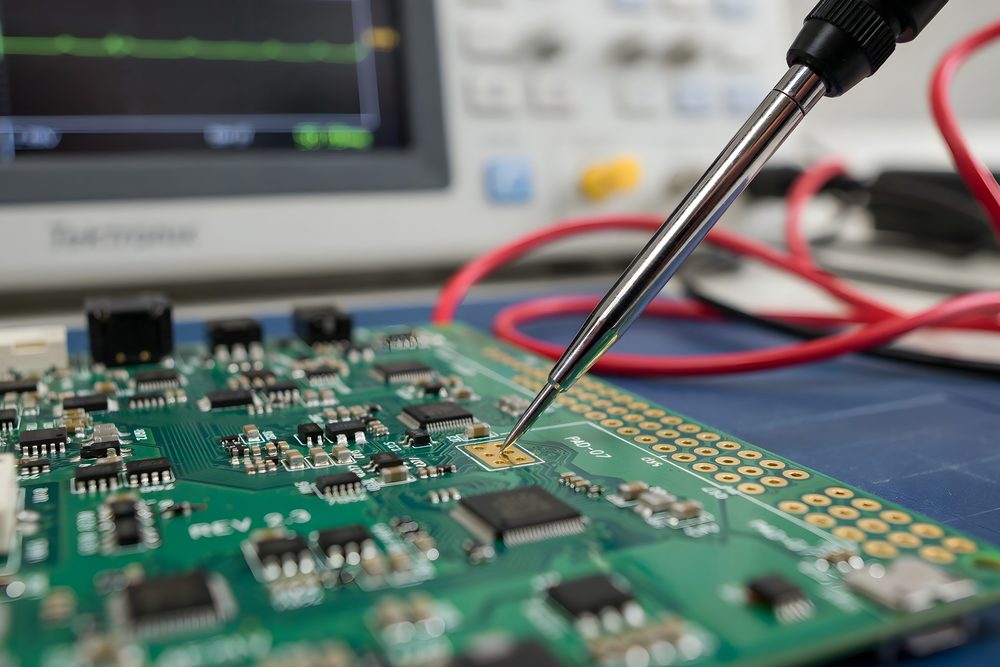
An Essential Guide To Controlling Laser Shutters With Arduino
Quick Summary Arduino boards work well as the timing and logic lay...
Read more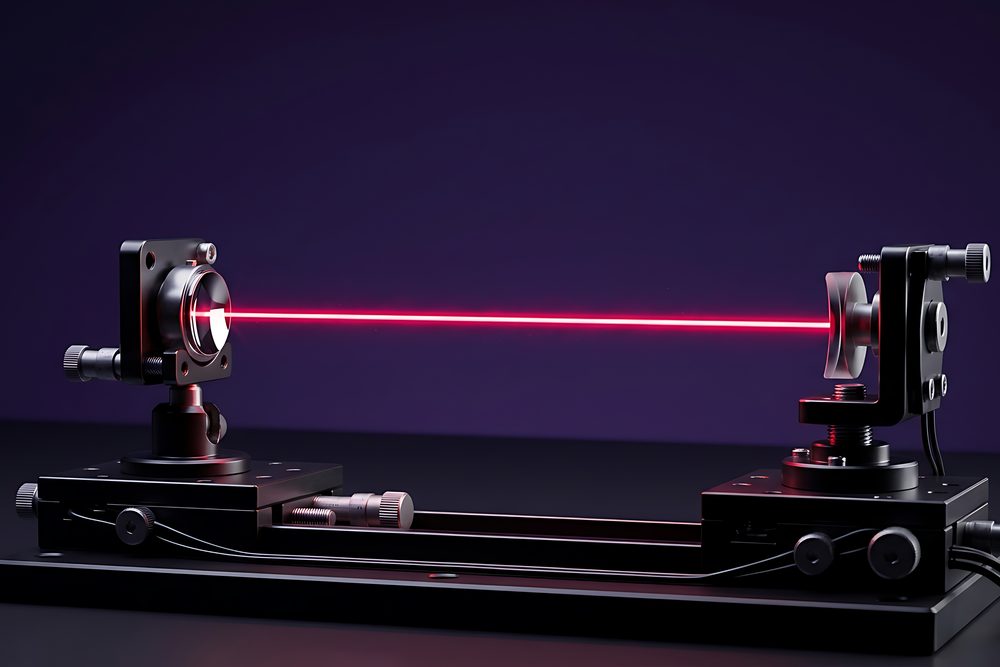
Understanding Advanced Laser Shutters And Rotary Solenoid Pairings
Quick Summary Rotary solenoids swing a shutter blade through a lim...
Read more
How To Identify And Fix Common Laser Shutter Alignment Problems
Quick Summary Clipped beams, light leakage, hot spots, and source ...
Read more