X-Ray Shutters For Medical Imaging And Diagnostic Equipment
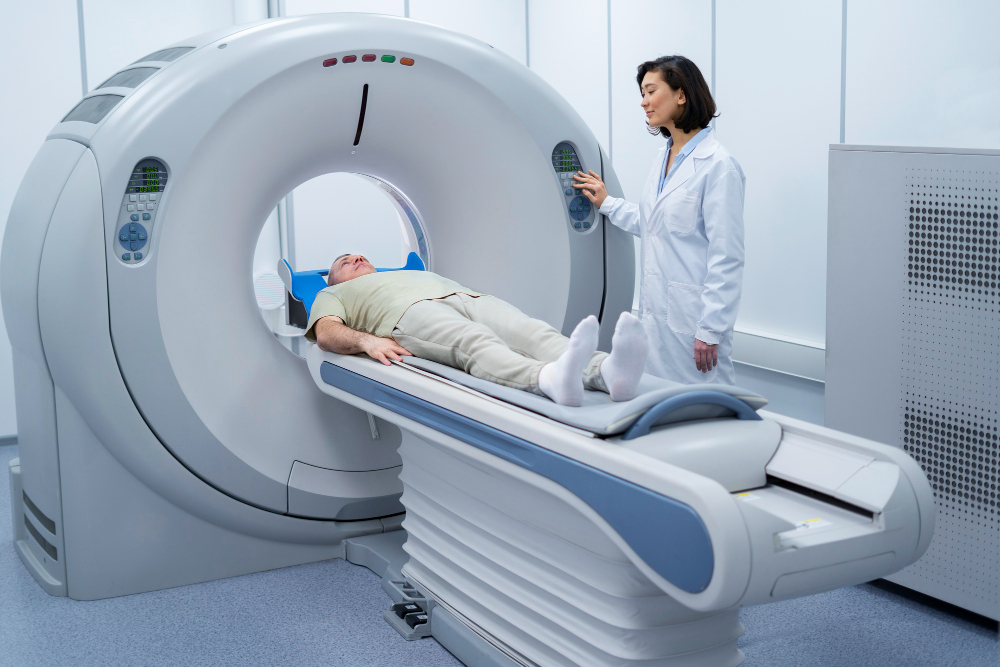
Precision beam control defines the success of modern diagnostic tools and surgical systems. Reliable mechanical components block or allow radiation with extreme speed and accuracy to protect sensitive internal parts. An X-ray shutter for medical imaging manages these high-energy beams by opening and closing in milliseconds. This rapid movement prevents overexposure and allows for the capture of crystal-clear diagnostic pictures during every single scan.
At NM Laser Products, Inc., we build world-class beam control hardware for demanding healthcare environments. Our expertise allows us to create an X-ray laser shutter that meets strict safety standards while maintaining long-term reliability. We focus on durable designs that handle millions of cycles without failing because we prioritize your equipment performance. Our team supports your engineering goals with decades of hands-on experience in light and radiation management.
Benefits of Using X-Ray Shutters in Healthcare
Healthcare systems require extreme precision and safety when handling radiation for diagnostic scans. These mechanical gates manage beam duration and intensity to achieve the best possible imaging results.
- Radiation Safety: Precise beam control prevents stray radiation from reaching areas outside the specific target zone. This isolation protects the integrity of the diagnostic session and keeps the surrounding environment safe. High-density materials inside the shutter block the beam completely when the gate closes. These shutters act as a physical wall that stops every single photon from passing through.
- Image Quality: Rapid opening and closing times allow for sharper pictures with much higher contrast levels. This speed reduces blur by strictly limiting the time the beam hits the imaging sensor. Consistent timing ensures that every frame looks identical in brightness and detail across many different scans. Clearer visuals lead to more accurate data for doctors and scientists to study.
- Equipment Longevity: Internal components stay cool because the shutter blocks the heat from the radiation source. Limiting the exposure time of the sensor prevents premature wear and reduces the need for repairs. This protection extends the life of expensive tubes and detectors by many thousands of hours. Using a reliable gate system keeps the entire machine running smoothly for many years.
Key Features to Look for in X-Ray Shutters
Specific technical traits determine how well a shutter performs inside a large medical machine. Engineers must evaluate speed, material density, and cycle life to find the most effective match. These are the most vital features to consider when looking for a new beam control solution.
- Switching Speed: Fast transition times allow the beam to start and stop without any gradual fading. This rapid action creates a clean pulse of radiation that matches the timing of the camera. Mechanical systems must move the blade into position within a few milliseconds to be effective. This speed keeps the data sharp and prevents any fuzzy edges on the digital pictures.
- Aperture Size: The opening must match the diameter of the beam to prevent any clipping or loss of power. A correctly sized aperture allows the full strength of the radiation to pass through when the gate opens. Engineers choose different sizes based on the specific focal point of the tube or laser. Having the right hole size keeps the energy focused on the target area.
- Heat Dissipation: Shutters absorb significant energy when they block high-powered beams for long periods of time. Advanced designs use special coatings or heat sinks to move this energy away from the blade. Keeping the shutter cool prevents the metal from warping or sticking during a long work day. This thermal management keeps the mechanical parts moving freely without any friction or heat damage.
Consulting with laser technology engineers helps determine the ideal aperture size to avoid clipping the high-energy beam.
Different Types of X-Ray Shutters Available Today
Different medical machines require unique shutter designs to handle various power levels and beam paths. Some systems need tiny shutters for microscopy while others require large gates for full-body scanners. These are the main types of shutters used in the industry today.
- Solenoid Shutters: These units use electromagnetic coils to pull a metal blade out of the beam path. They offer a simple and reliable way to achieve fast opening times for standard imaging tasks. Solenoid designs work well in tight spaces because they do not require large motors or gears. These shutters provide a long life for general purpose diagnostic equipment and tools.
- Rotary Shutters: A rotating disk with a hole spins to let the beam through at specific intervals. This type of shutter allows for very high repetition rates and consistent pulse widths over time. Rotary systems are excellent for high-speed scanning where the beam must turn on and off rapidly. They maintain a steady rhythm that syncs perfectly with digital sensors and computer software.
- Flexure Shutters: These devices use a bending metal piece instead of a hinge to move the blade. Eliminating traditional bearings or pivots removes the risk of friction and metal dust inside the machine. This clean design works perfectly for vacuum environments or sensitive laboratory settings where particles cause problems. Flexure shutters last for billions of cycles because they have no parts that rub.
- Automated X-ray shutter: Computer-controlled systems allow for precise timing that changes based on the needs of the scan. These shutters connect directly to the main control board to coordinate with the rest of the machine. Automation allows for complex pulse patterns that a simple manual switch cannot ever achieve. Digital feedback tells the system exactly when the blade is open or closed.
Working with laser technology engineers provides access to specialized flexure designs that eliminate friction and metal wear.
Choosing the Right X-Ray Shutter for Your Equipment
Selecting a shutter involves matching the mechanical specs to the power output of the radiation source. The wrong choice might lead to a melted blade or a system that moves too slowly. These are the steps for picking the correct hardware for a medical imaging project.
- Power Rating: The blade material must withstand the specific kilovoltage or laser power of the beam. Some materials reflect the energy while others absorb it and turn it into heat. Choosing a shutter with the wrong rating leads to a hole in the blade. Always check the maximum energy density before installing a new gate into an existing system.
- Duty Cycle: Some machines run all day while others only fire a few times an hour. A shutter designed for high usage has more durable parts that resist wear and tear. Heavy-duty models can handle billions of operations without needing any maintenance or part replacements. Matching the cycle rating to the workload keeps the machine in service without any downtime.
- Mounting Space: Medical devices often have very little room inside for extra motors or large brackets. Compact shutters fit into small gaps between the radiation source and the patient or sensor. Measuring the available volume helps ensure the shutter fits without hitting other internal parts. Small designs still offer high performance without taking up too much valuable space.
X-Ray Shutters Maintenance: Ensuring Long-Term Performance
Regular checks keep mechanical parts moving at the correct speed and prevent unexpected failures during scans. Even the best hardware needs a little attention to stay in top shape over many years. These are the main tasks for keeping a shutter system running at peak levels.
- Blade Inspection: Looking at the surface of the shutter blade reveals if the beam is causing any damage. Pitting or discoloration might mean the beam is too strong for the current material. Keeping the blade clean prevents any dust from catching fire or causing a blockage. A smooth blade surface allows the shutter to move through the air with less resistance.
- Electrical Testing: Measuring the voltage and current going to the coil helps find weak spots in the wiring. Stable power ensures the shutter opens fully every time the system sends a trigger signal. Testing the sensors confirms that the computer knows the exact position of the blade. Good electrical connections prevent the shutter from sticking or moving more slowly than it should.
Engaging laser technology engineers simplifies the maintenance process by providing clear guidelines for long-term mechanical health.
Contact Us at NM Laser Products, Inc. for High-Performance Laser Solutions
We manufacture high-quality X-ray shutters for imaging in the USA to support the global medical industry. Our team offers over 35 years of expertise in creating reliable beam control hardware for capital equipment. We build every fail-safe laser shutter system to handle billions of cycles while maintaining high laser-induced damage thresholds. Our products offer the best specifications for optical power handling and long-term durability in the field. We provide customization to meet your specific needs for industrial or scientific applications. NM Laser Products, Inc. delivers high-reliability optical shutters that keep your medical systems running at peak performance.
Related Blogs
Laser Shutter Driver Specifications And Key Features
Light moves fast, but mechanical parts must keep up to maintain saf...
Read more
Custom Optical Shutters For Visible Light Optics Applications
Light behaves in specific ways that require exact control for scien...
Read more
Choosing A Large Aperture Laser Shutter For Industrial Use
High power beams require precise control to maintain safety and acc...
Read more