Laser Shutter Driver Specifications And Key Features
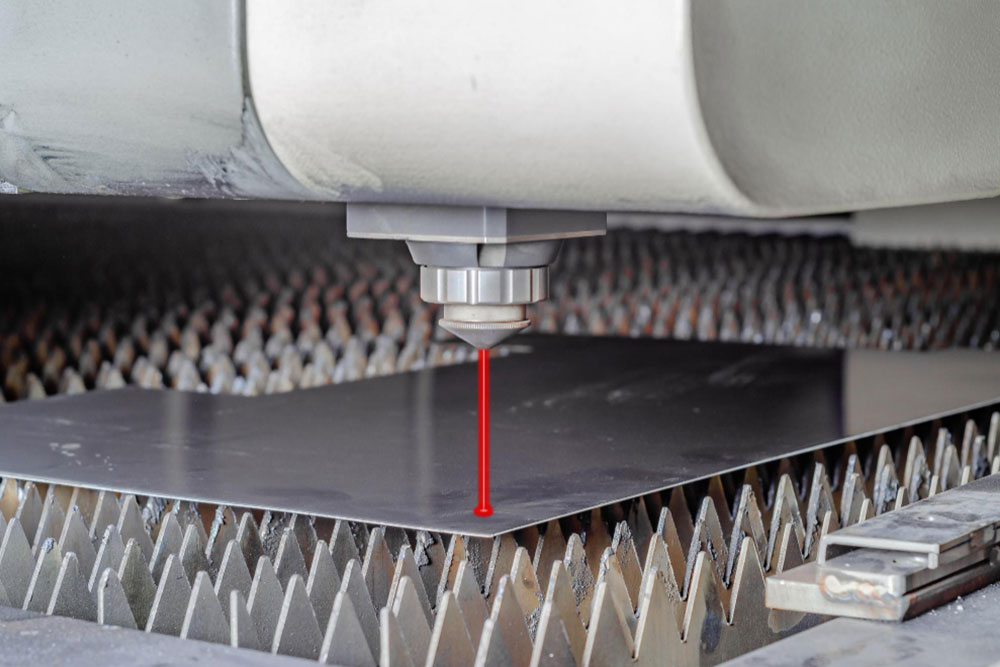
Light moves fast, but mechanical parts must keep up to maintain safety. Precision timing defines the success of every scientific experiment or industrial cutting process. Studying various laser shutter driver specifications helps identify which model handles high power without failing during long shifts. These small electronic units control the physical gate that blocks or allows the beam to pass through the system.
At NM Laser Products, Inc., we build parts that last through billions of cycles. Our team leads the industry because we master laser driver technology for the most demanding machines. We offer decades of hands-on experience and deep technical knowledge to support our clients.
Key Features of Laser Shutter Drivers
Modern drivers include features that manage heat and speed to protect the hardware from damage during rapid operations.
- Fast Switching Speed: High performance depends on how quickly the gate opens and closes to block the light beam. Most units achieve millisecond response times to keep the work moving at a steady pace. Quick action prevents excess energy from hitting the wrong spot. This efficiency helps maintain high productivity levels during long manufacturing runs.
- Overheating Protection: Internal circuits monitor temperature levels to stop the hardware from burning out during heavy use. Safety sensors trigger a shutdown if the driver gets too hot from constant electrical current. This safeguard preserves the life of the delicate internal components for many years. Stable thermal management keeps the system running smoothly without unexpected breaks. Professional laser technology engineers help design cooling paths that keep these drivers safe and functional.
- Remote Control Ports: Digital inputs allow computers to trigger the shutter from a distance for better safety and automation. These ports use standard signals to sync the light with other parts of the machine. Operators stay away from the beam while the software handles every move with perfect timing. Reliable connections prevent signal lag that might ruin a sensitive project. Experienced laser technology engineers provide the necessary insight to link these ports to existing computer systems.
- Compact Housing Design: Small frames allow these devices to fit into tight spaces inside larger industrial or medical machines. Aluminum casings block electrical noise while keeping the weight low for easy mounting on optical tables. Tough shells protect the internal electronics from dust or vibration in busy work areas. This smart design saves room for other vital tools in the setup.
Importance of Precision in Laser Shutter Drivers
Precision determines if a beam hits a target exactly when needed or if it leaks through at the wrong time.
- Timing Accuracy: Microsecond delays cause errors in medical surgeries or delicate scientific measurements where every bit of light counts. Drivers must hit the exact mark every single time without drifting away from the set schedule. Consistent performance builds trust in the data gathered during expensive research trials. Small errors lead to big problems in high-speed production lines.
- Power Stability: Constant voltage leads to steady shutter movement which keeps the light beam predictable and safe for use. If the power dips or spikes, the gate might shake or stay open too long. Drivers regulate the energy flow to prevent these shaky movements from ruining the work. Solid power delivery keeps the mechanical parts moving in a smooth rhythm. Qualified laser technology engineers calculate the exact power needs to maintain this steady flow of energy.
- Signal Integrity: Clean electrical signals prevent the shutter from firing accidentally due to background noise or static. Shielded cables and filtered inputs keep the communication clear between the controller and the gate. This clarity stops false triggers that could lead to dangerous situations in the lab. Every pulse must represent a real command from the main system. Skilled laser technology engineers test signal paths to block any interference that might cause a glitch.
Common Types of Laser Shutter Drivers Available
Different machines require specific drivers based on whether they need raw speed or simple manual control.
- Benchtop Controllers: These standalone boxes sit on a desk and offer knobs for manual adjustments during lab experiments. Large displays show current settings so researchers see exactly what the hardware does at every moment. They plug into standard wall outlets for easy setup in any research facility. Simple interfaces make them ideal for testing new ideas quickly.
- OEM Modules: Manufacturers build these small circuit boards directly into larger products like medical lasers or printers. They lack fancy cases because they hide inside the main frame of the equipment. These modules cost less and save space while performing the same heavy tasks as bigger units. They represent the workhorse of the modern industrial world. Specialized laser technology engineers integrate these boards into custom hardware to achieve the best functional results.
- Multi Channel Drivers: One single unit controls several shutters at once to sync multiple light paths in a system. This setup reduces the amount of wiring needed and keeps the control center organized and clean. Each channel operates independently or follows a master clock for perfect group timing. It simplifies the management of complex optical benches with many parts. Expert laser technology engineers sync these channels to create a flawless flow of light across the table.
Key Considerations When Choosing Laser Shutter Drivers
Selecting the wrong driver leads to slow performance or broken parts that stop the entire production line.
- Voltage Compatibility: The driver must provide the exact amount of electricity the mechanical shutter requires to move. Too much power melts the coils while too little power results in a gate that stays stuck. Checking the labels prevents expensive mistakes during the initial installation of the system. Matching these numbers keeps the hardware safe and ready for work. Trusted laser technology engineers verify voltage levels to prevent damage to the delicate internal motor coils.
- Trigger Logic: Some systems use a high signal to open the gate while others use a low signal. The driver must match the logic of the main computer to avoid backwards operation. Choosing the right polarity keeps the beam blocked when the power goes out. This choice directly affects the safety of everyone in the room. Laser technology engineers review these logic patterns to confirm that the shutter reacts correctly to every command.
- Mounting Options: Drivers need a secure place to sit where they stay cool and away from moving parts. Some screw onto rails while others bolt directly to the side of a machine frame. Proper mounting prevents the unit from falling or vibrating loose during a busy shift. It also helps the metal case pull heat away from the circuits. Experienced laser technology engineers find the best mounting spots to keep the electronics cool and secure.
How to Maintain Laser Shutter Drivers Effectively
Regular care keeps the electronics healthy and prevents the mechanical parts from wearing out too soon.
- Dust Removal: Clean air prevents particles from clogging the cooling fans or coating the internal circuit boards. Dust traps heat which leads to slow performance or a total system failure over time. Wiping the exterior and using canned air keeps the vents open for fresh air. A clean driver runs cooler and lasts much longer than a dirty one. Laser technology engineers suggest cleaning schedules that keep these sensitive parts free from harmful debris and grit.
- Connection Checks: Loose wires cause sparks or intermittent power cuts that make the shutter jump or shake. Tightening the screws and checking for frayed insulation keeps the electricity flowing in a safe path. Steady power prevents the driver from working harder than it needs to. This simple step stops many common problems before they start. Qualified laser technology engineers inspect every plug to maintain a solid link between the power and the gate.
Call NM Laser Products Inc for Expert Help Today
We build the highest quality optical tools right here in the USA with over 35 years of deep expertise. Our team creates every Industrial laser shutter driver supplier solution to handle millions or even billions of cycles without failing. We offer custom designs to fit specific needs for medical or scientific machines. Our products feature a high laser-induced damage threshold to survive intense power levels. We provide the best laser shutters for industrial applications because our hardware handles extreme heat and stays reliable. Contact NM Laser Products, Inc. to get the most durable parts for any high-power optical system.
Related Blogs
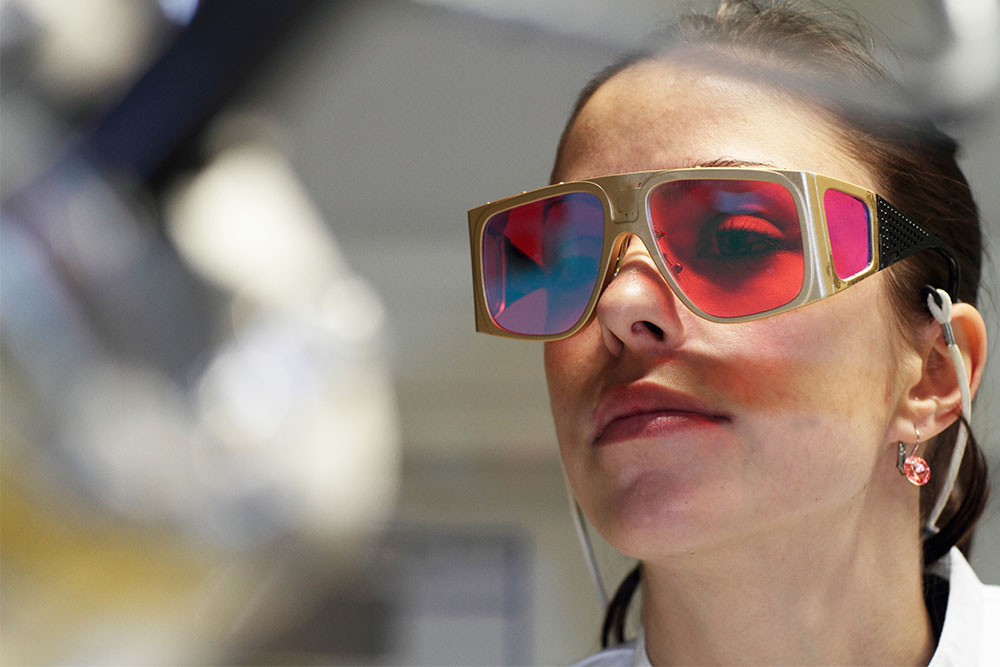
Understanding OD (Optical Density) In Laser Safety Protocols
Quick Summary Optical density ratings determine whether a piece of...
Read more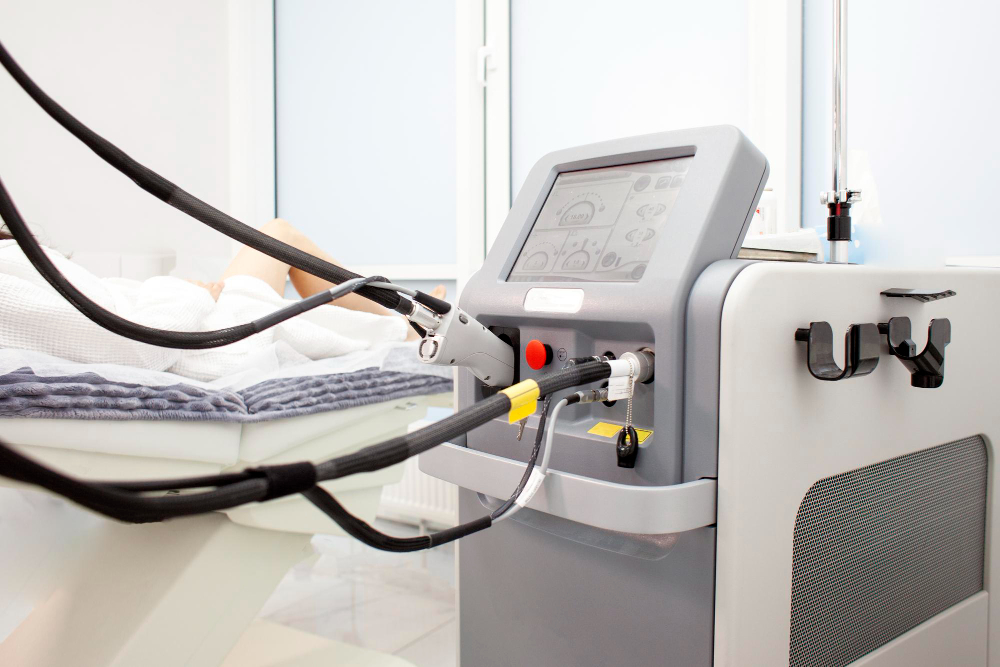
Understanding Long-Pulsed Nd:YAG Laser Technology
Quick Summary Pulse duration significantly influences how a laser ...
Read more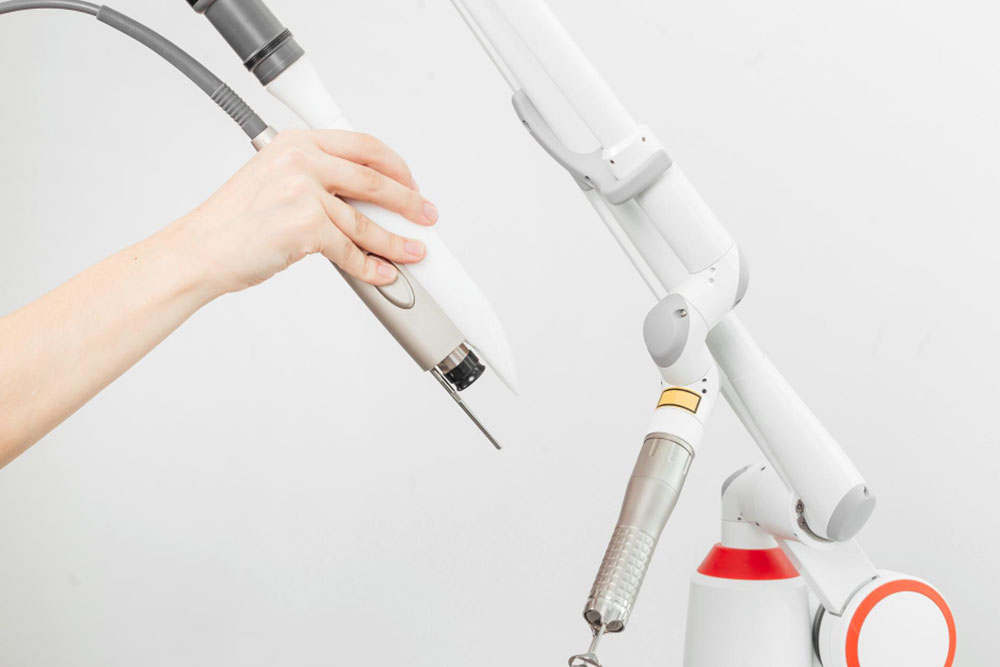
Nd:YAG Lasers Explained: How They Work And Their Practical Uses
Quick Summary This type of laser combines a neodymium-doped crysta...
Read more