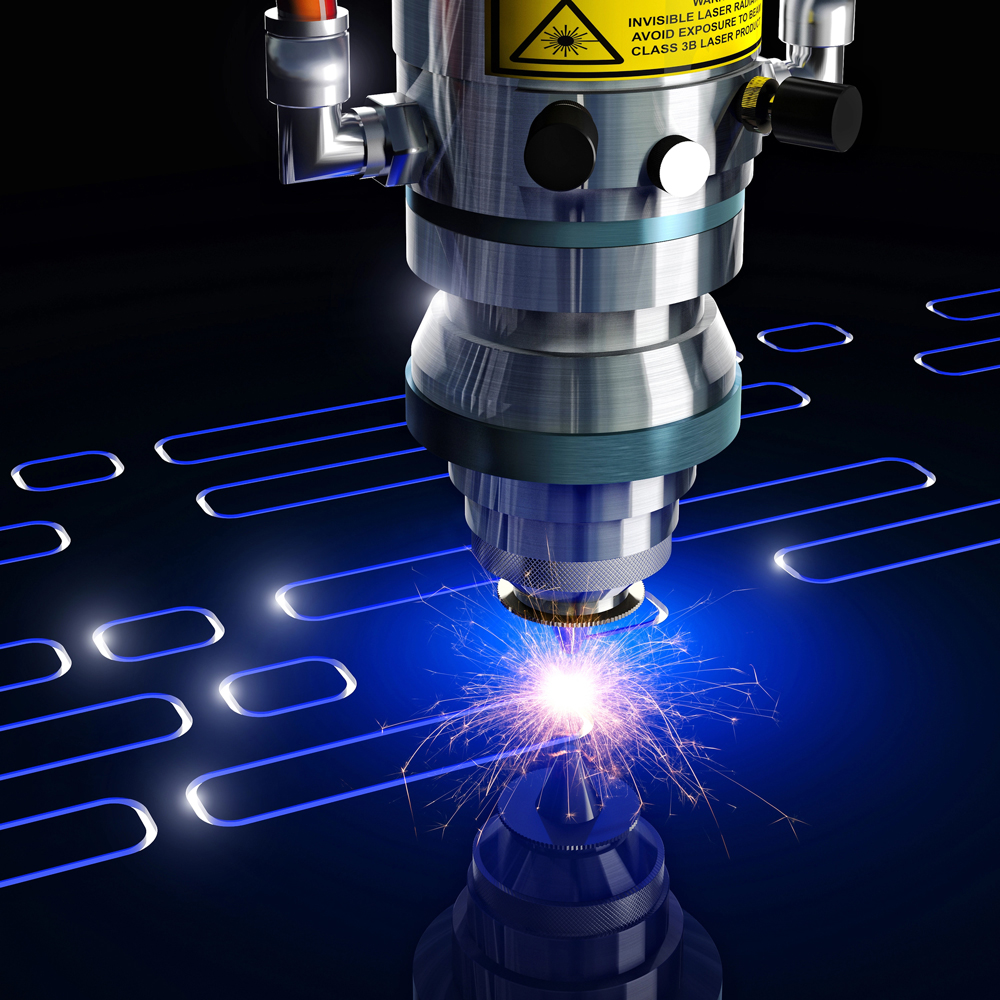
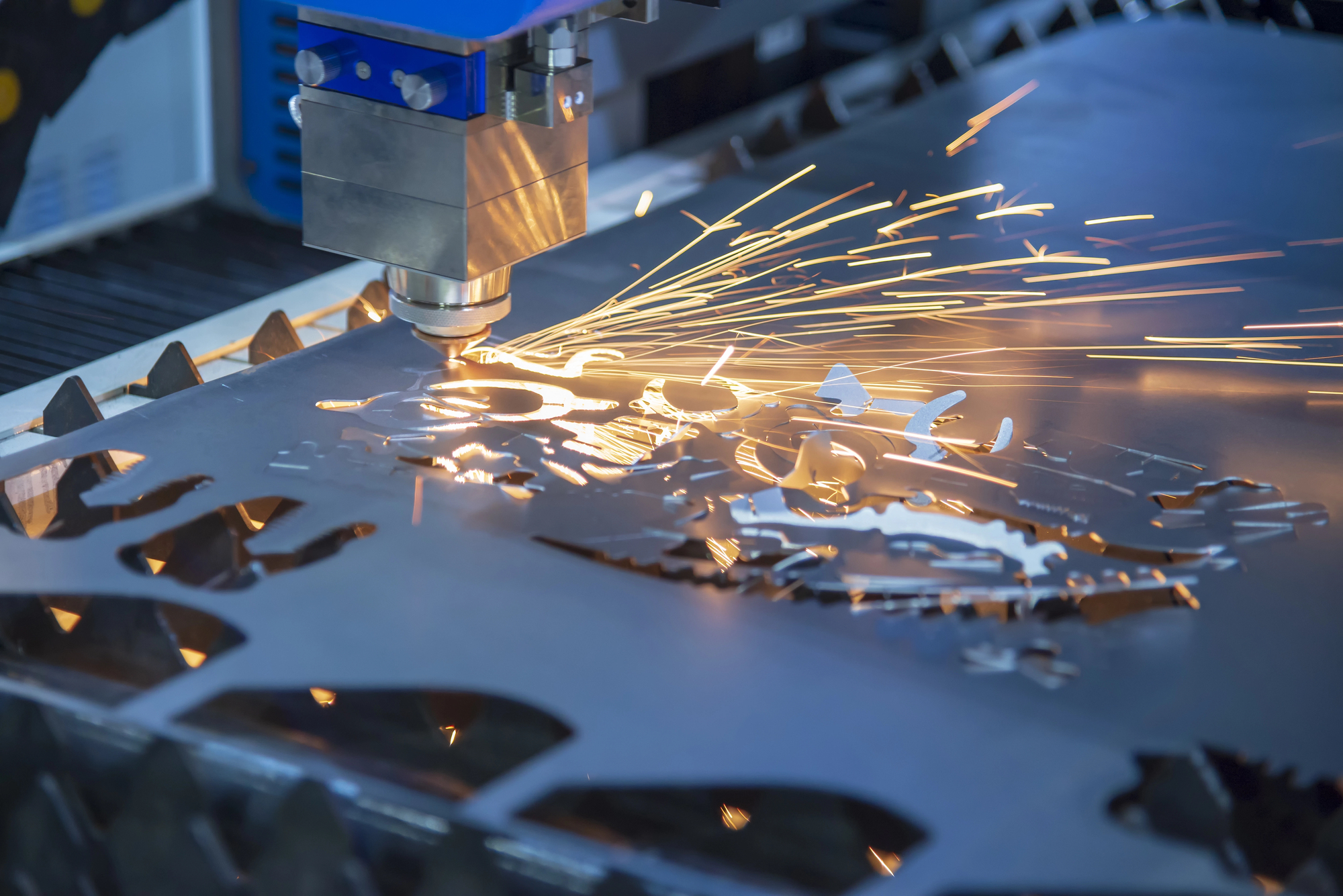
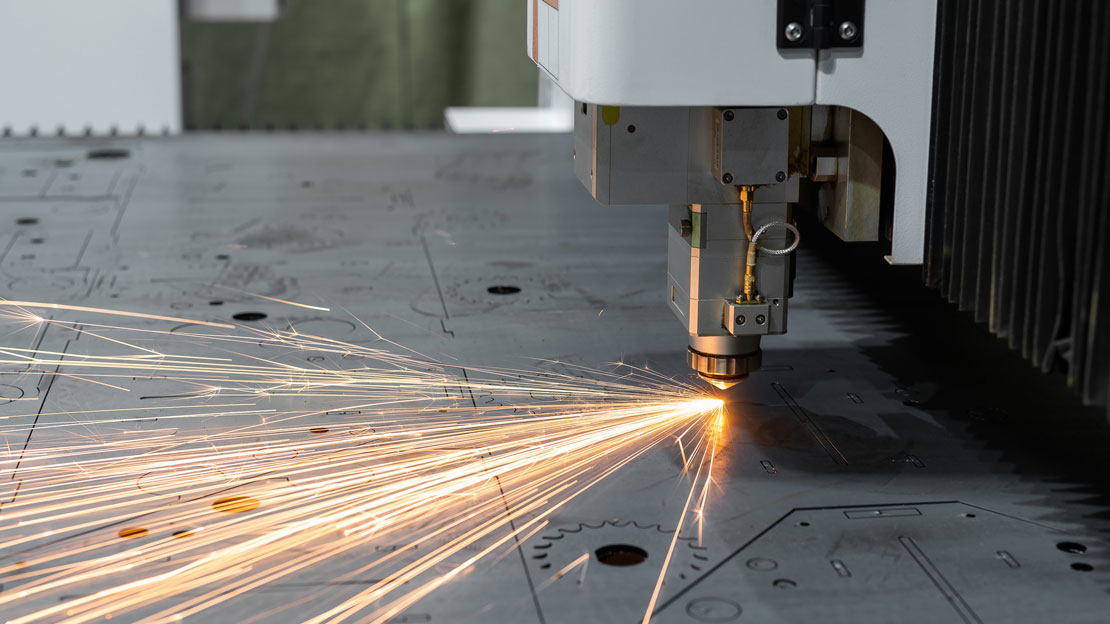
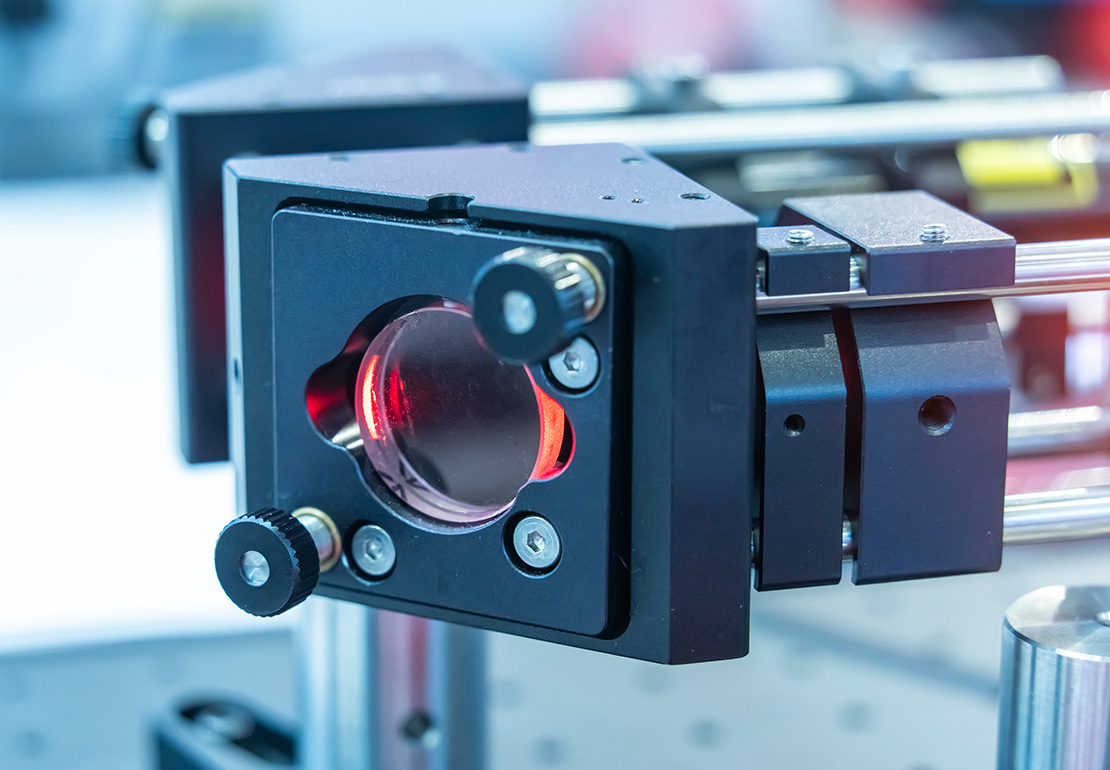
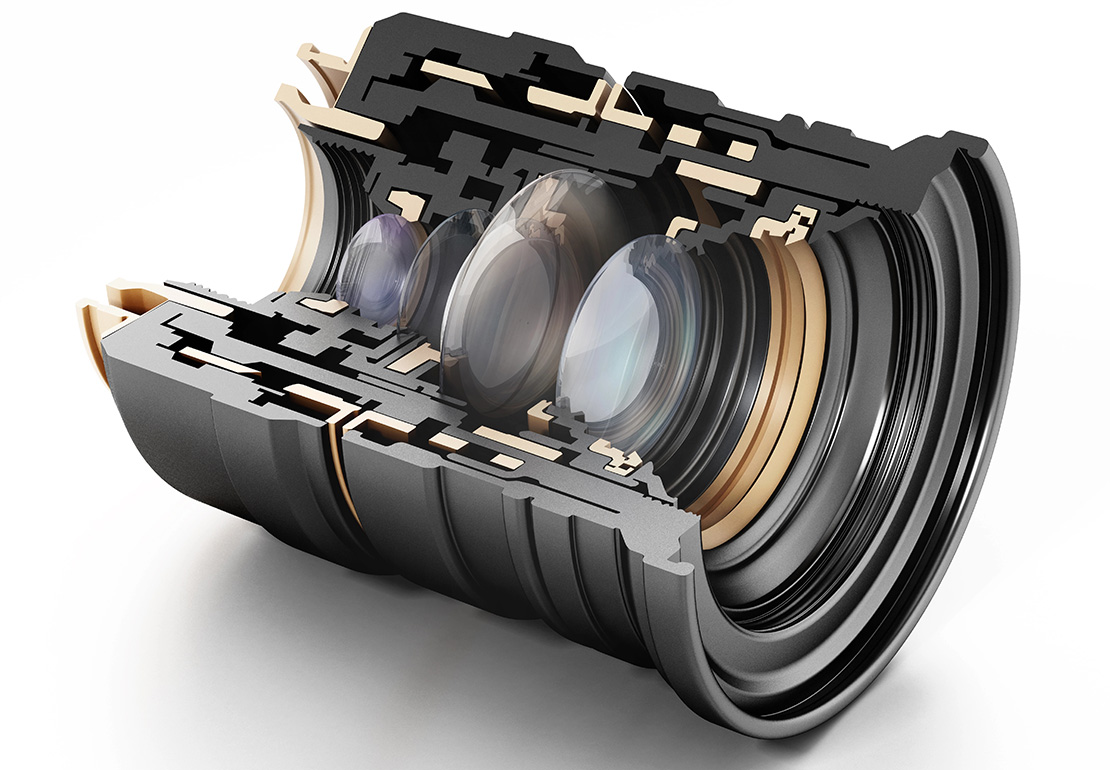
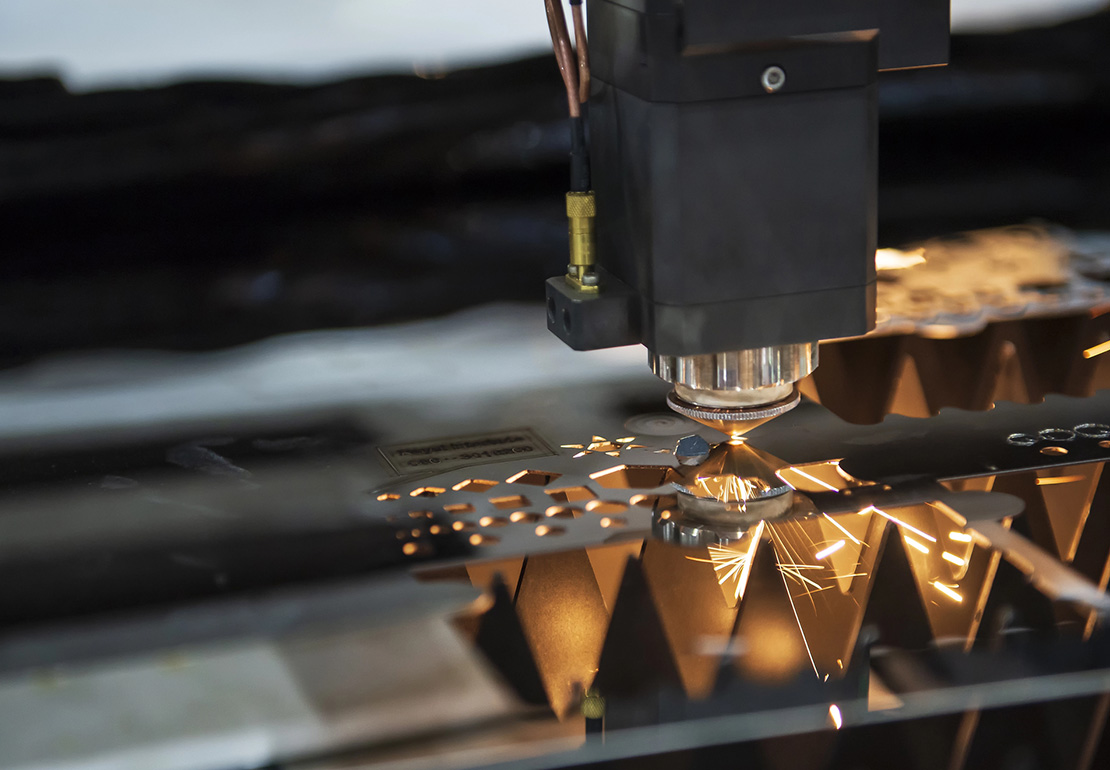
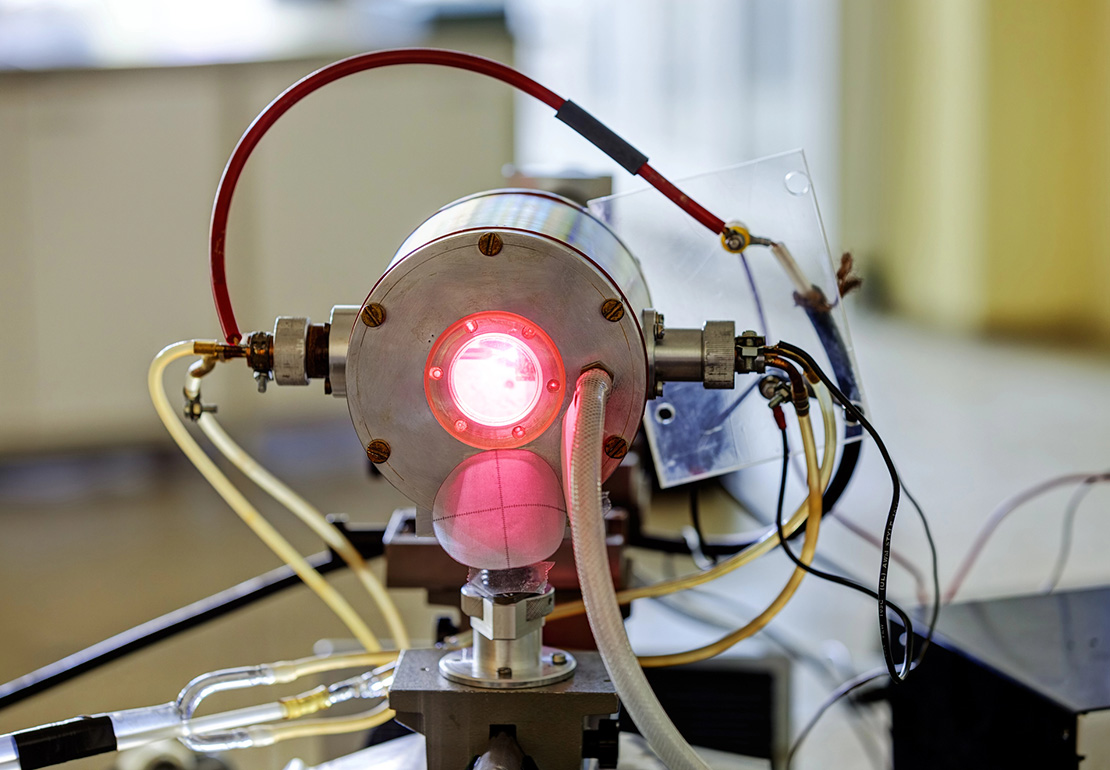
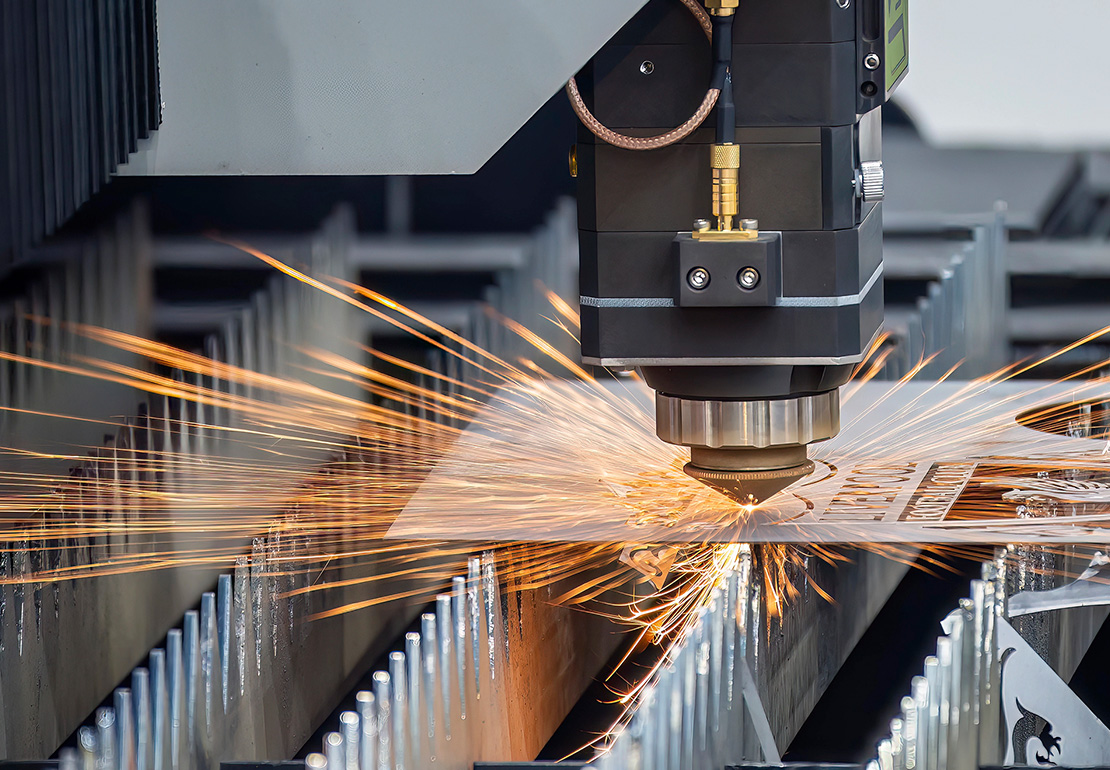
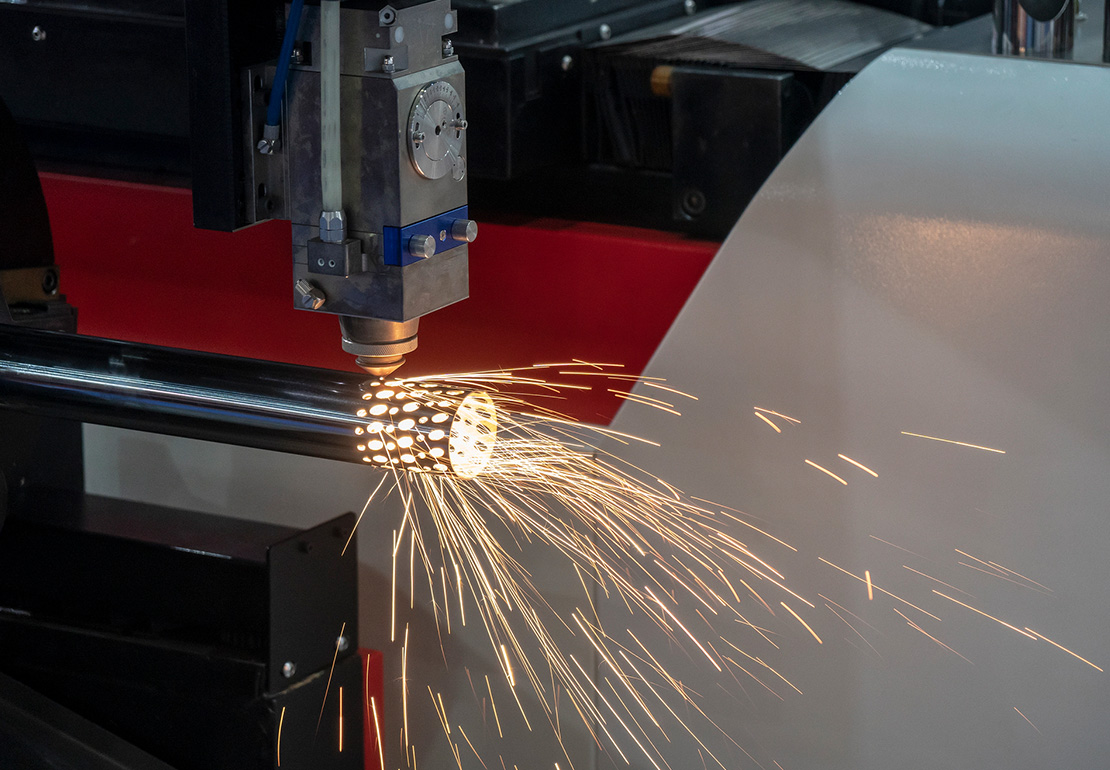
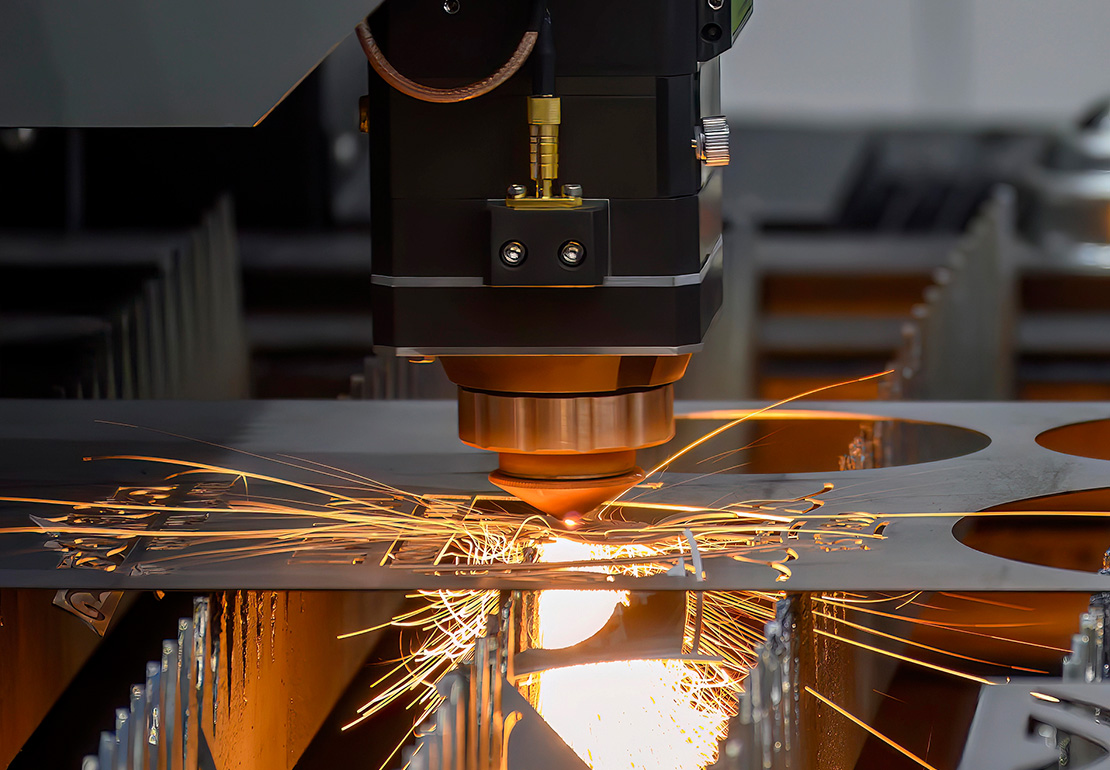
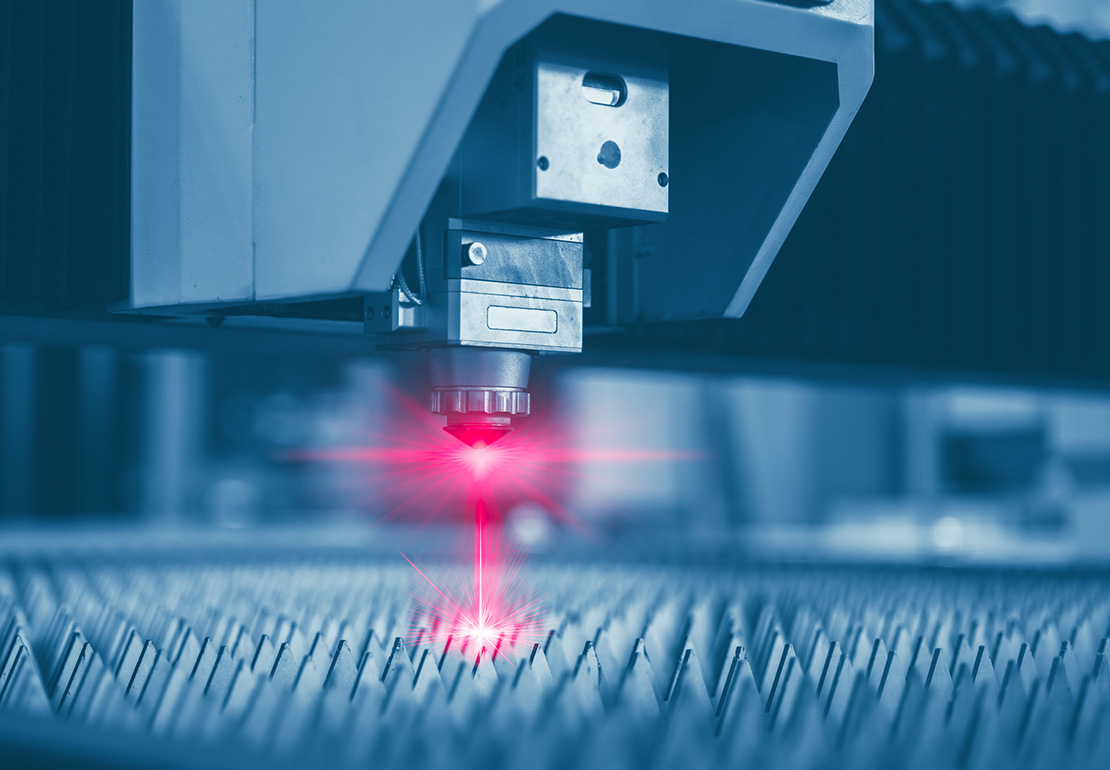
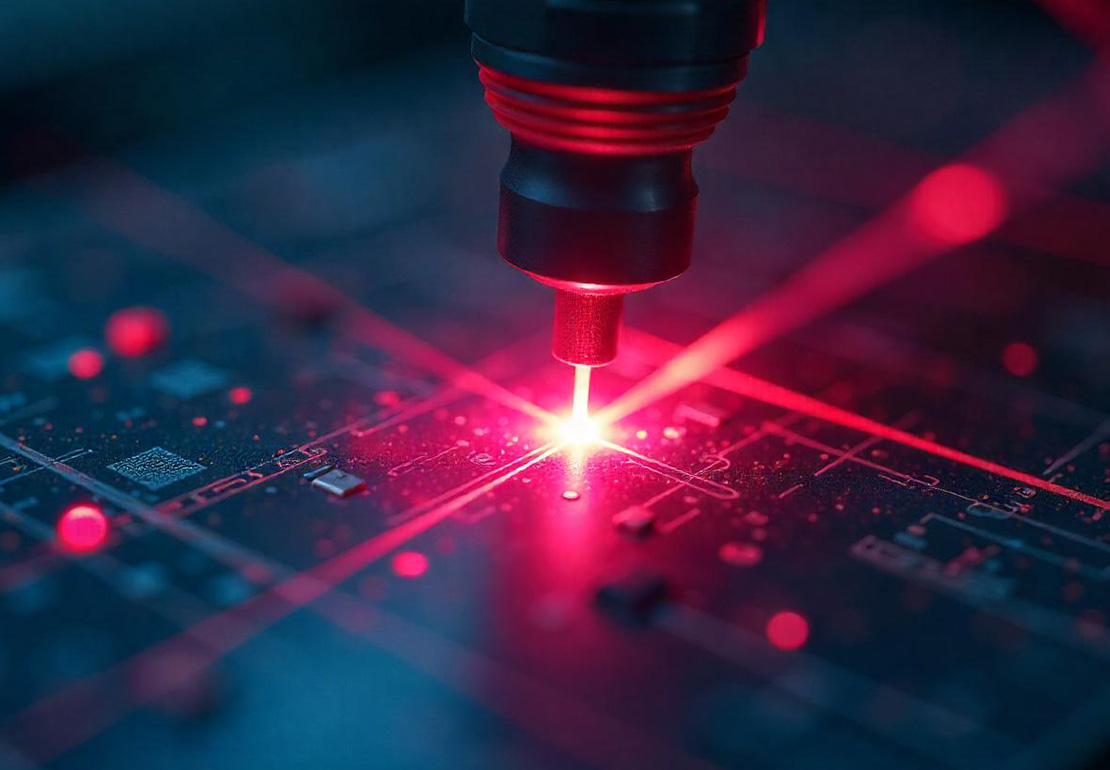
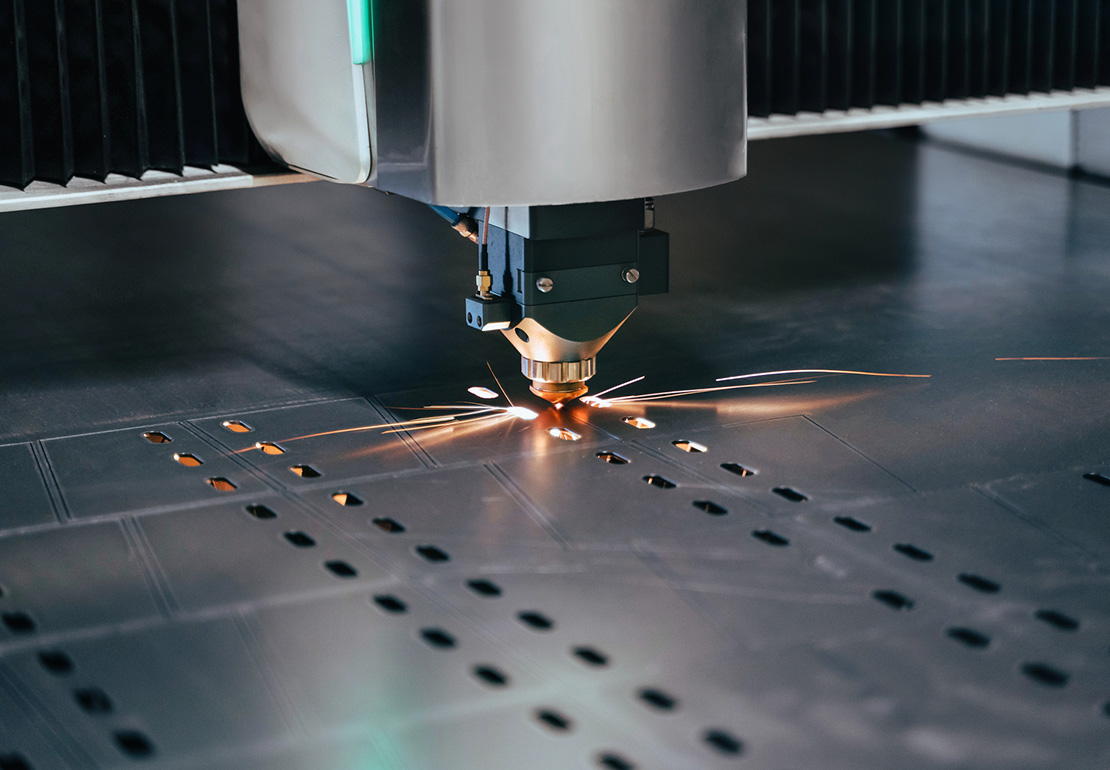
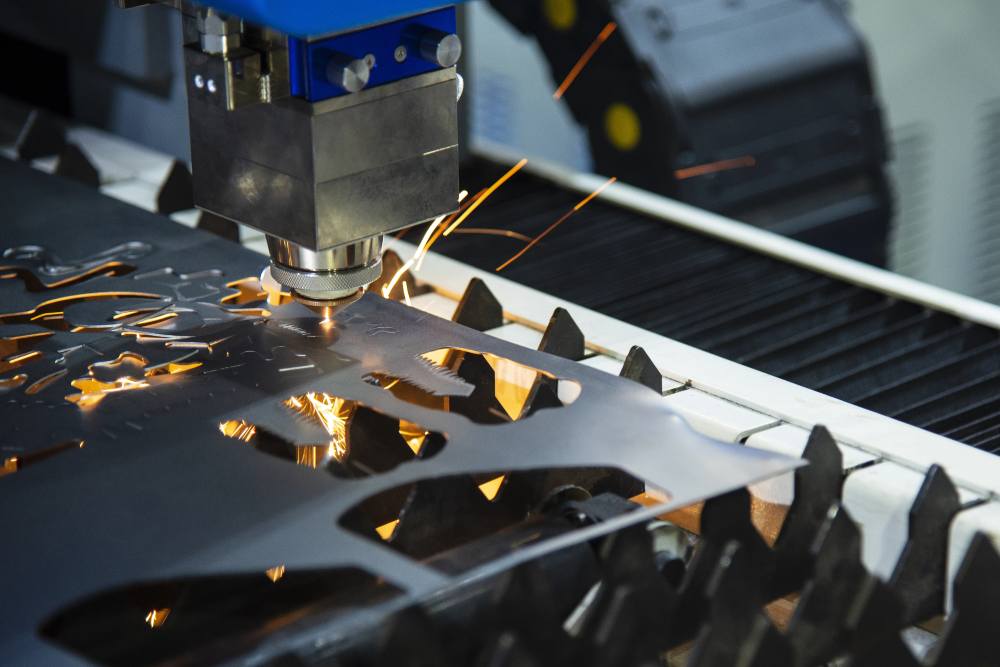
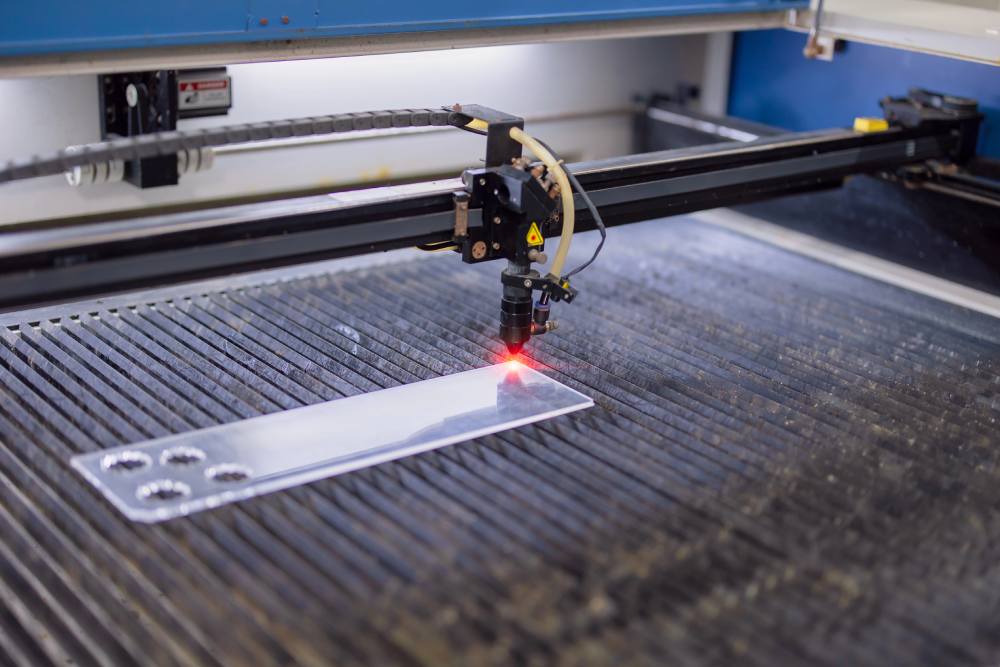
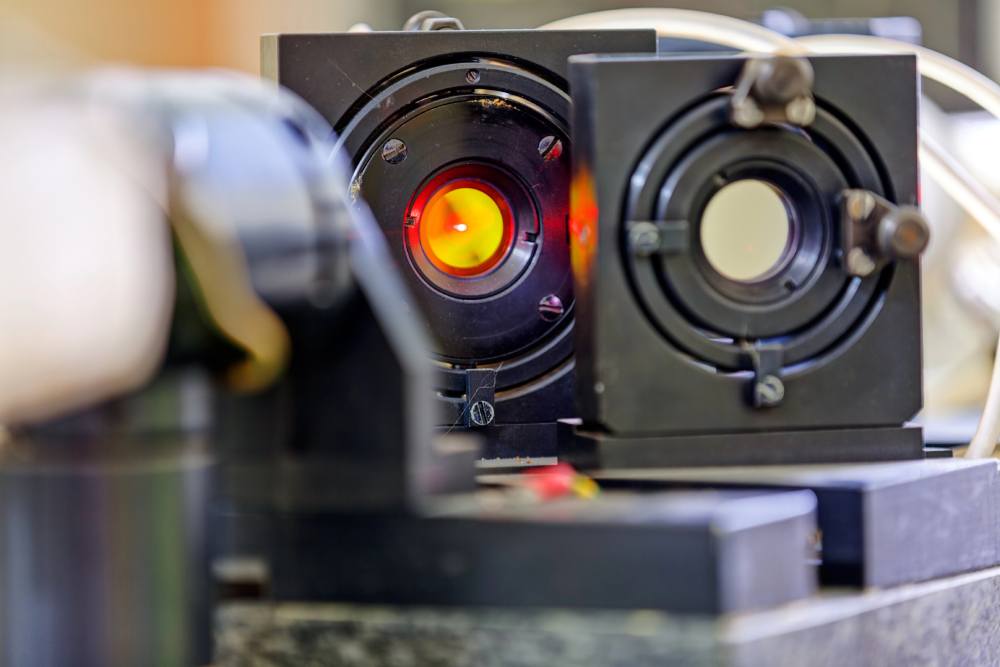
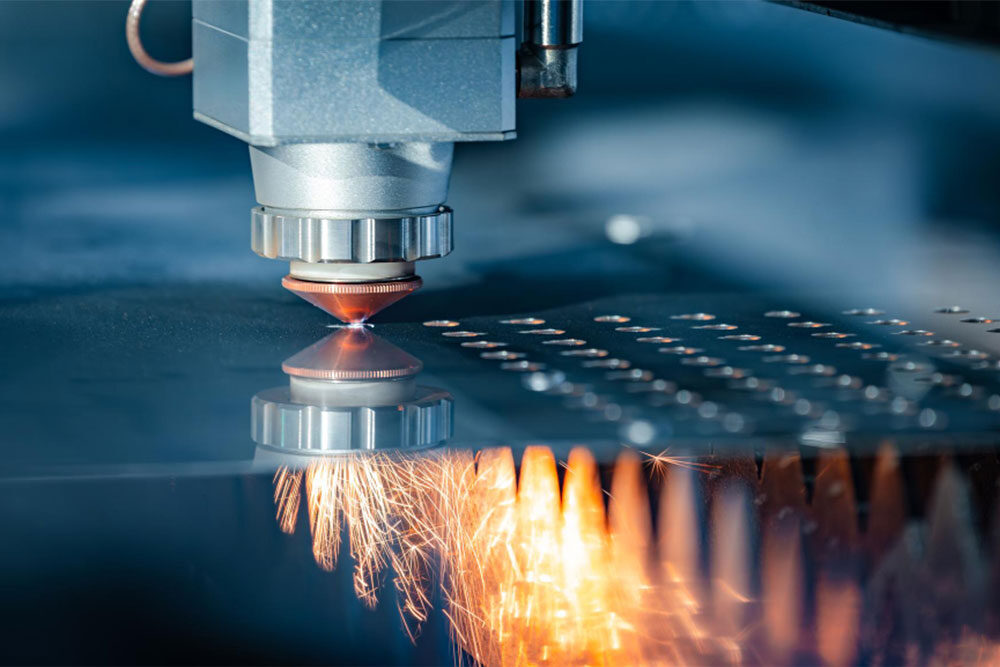
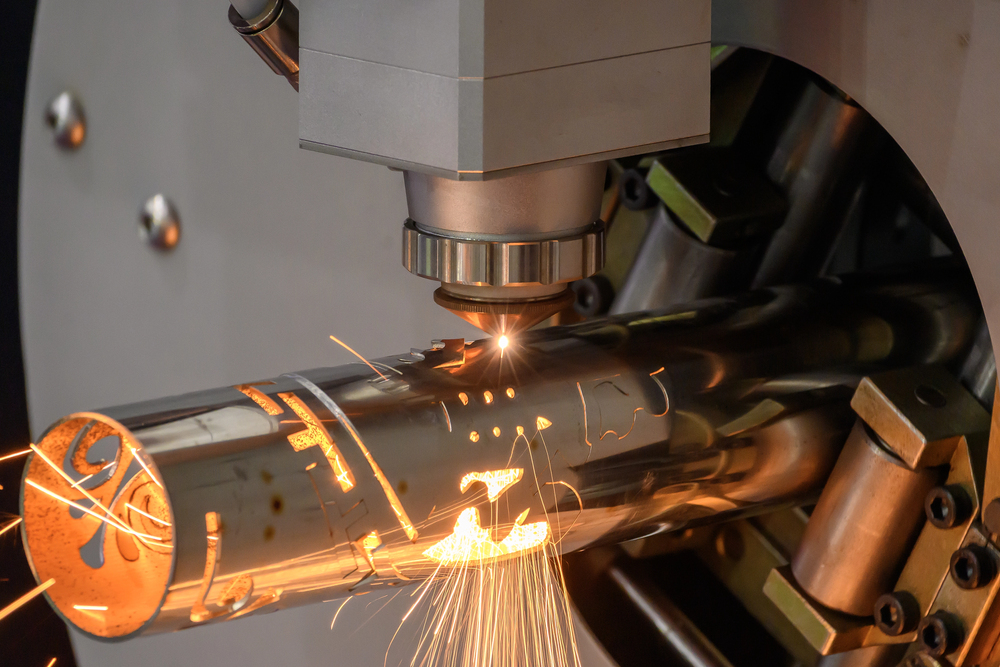
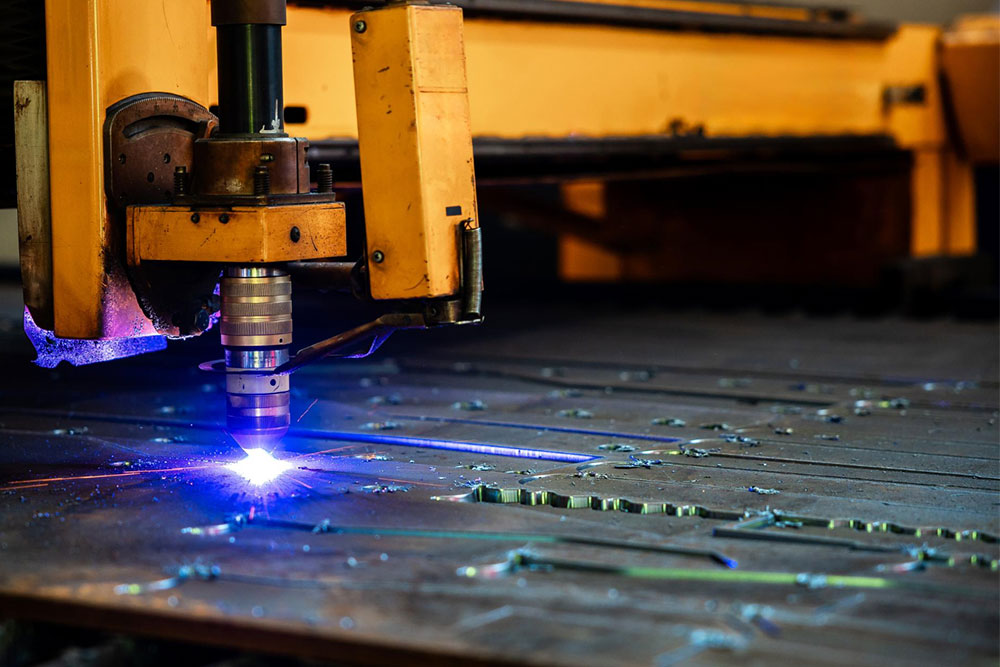
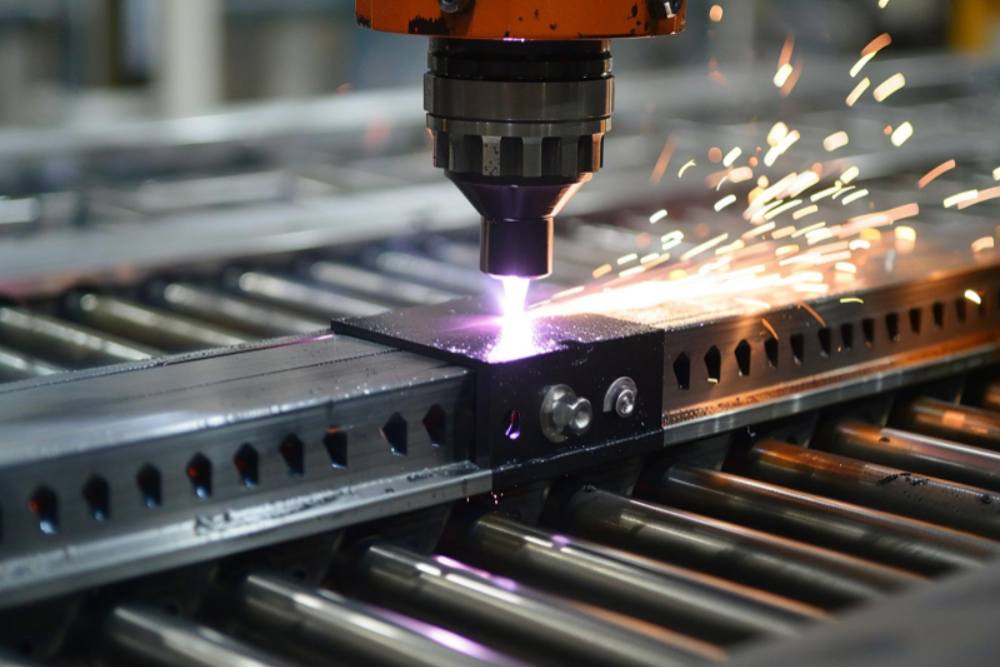
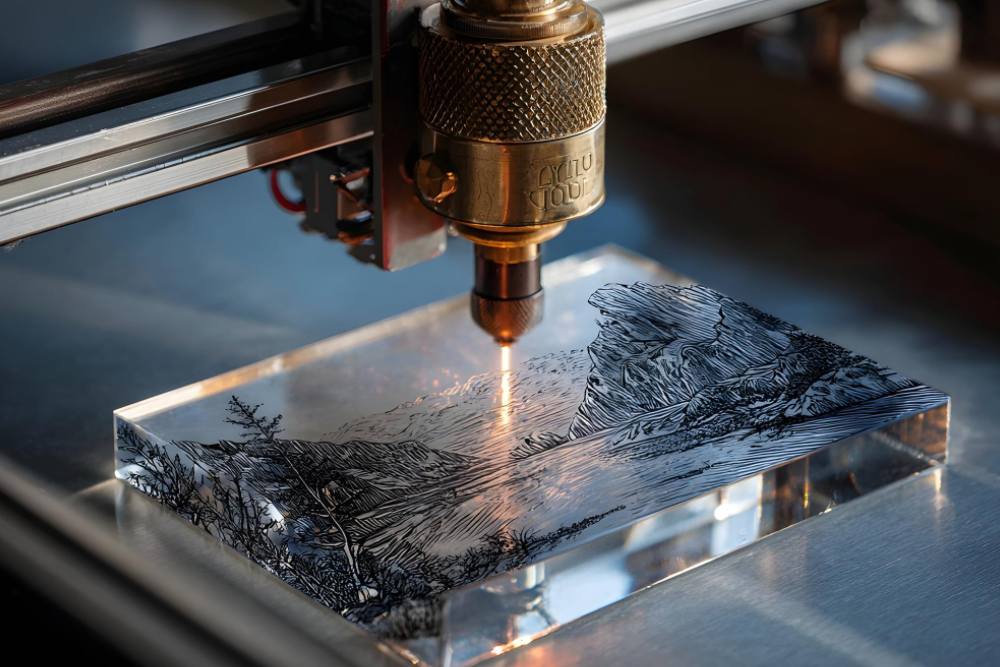
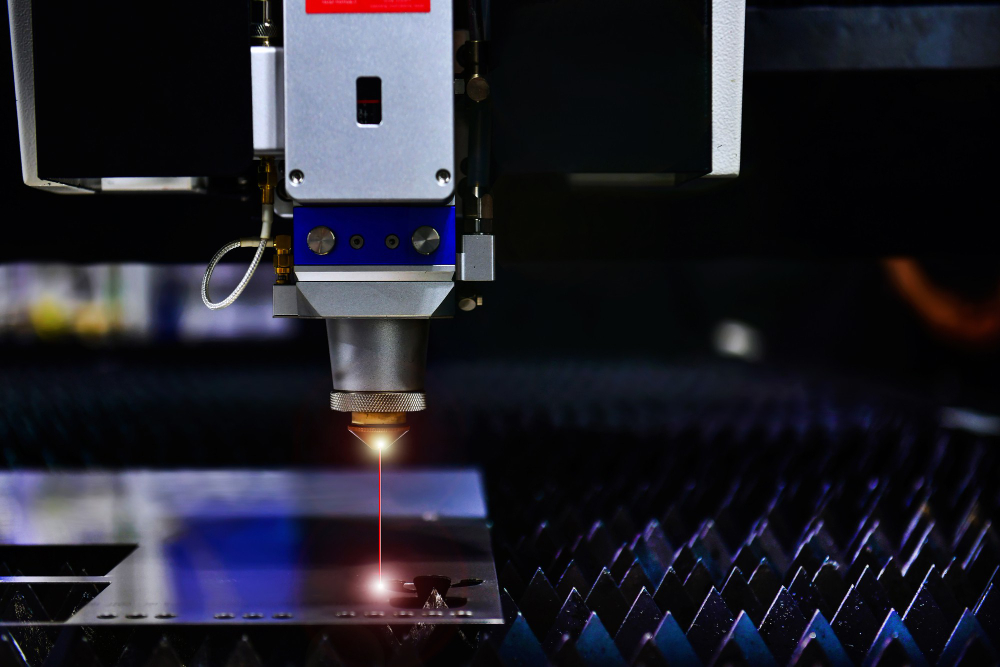
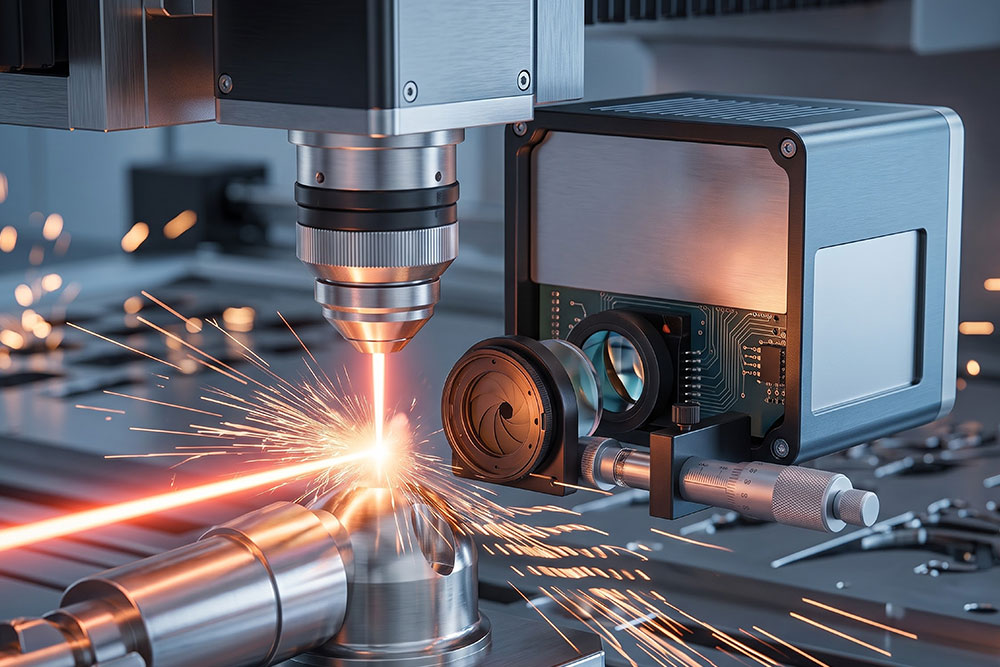
7 Benefits Of UV Laser Marking For Sensitive Ma...
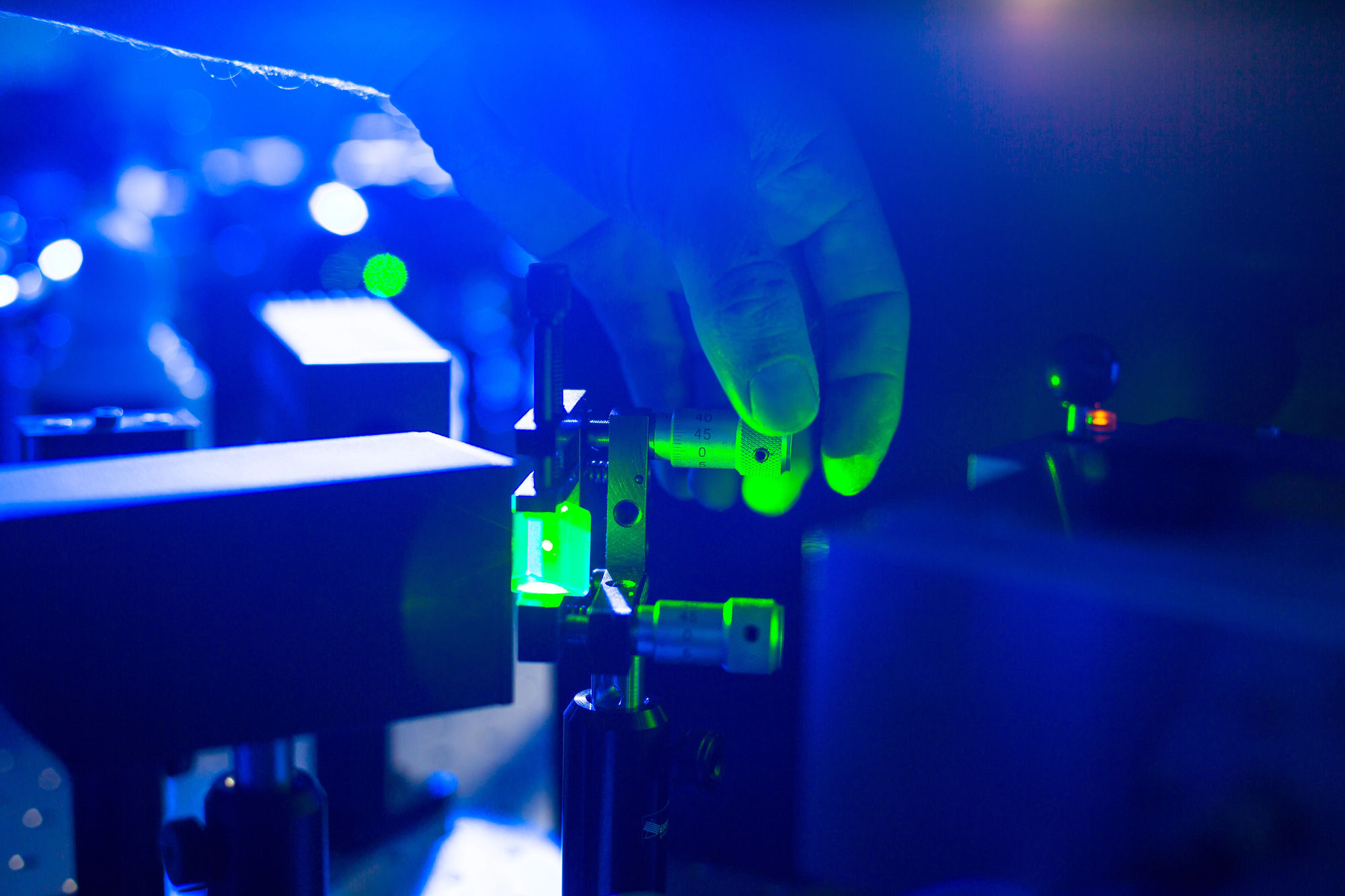
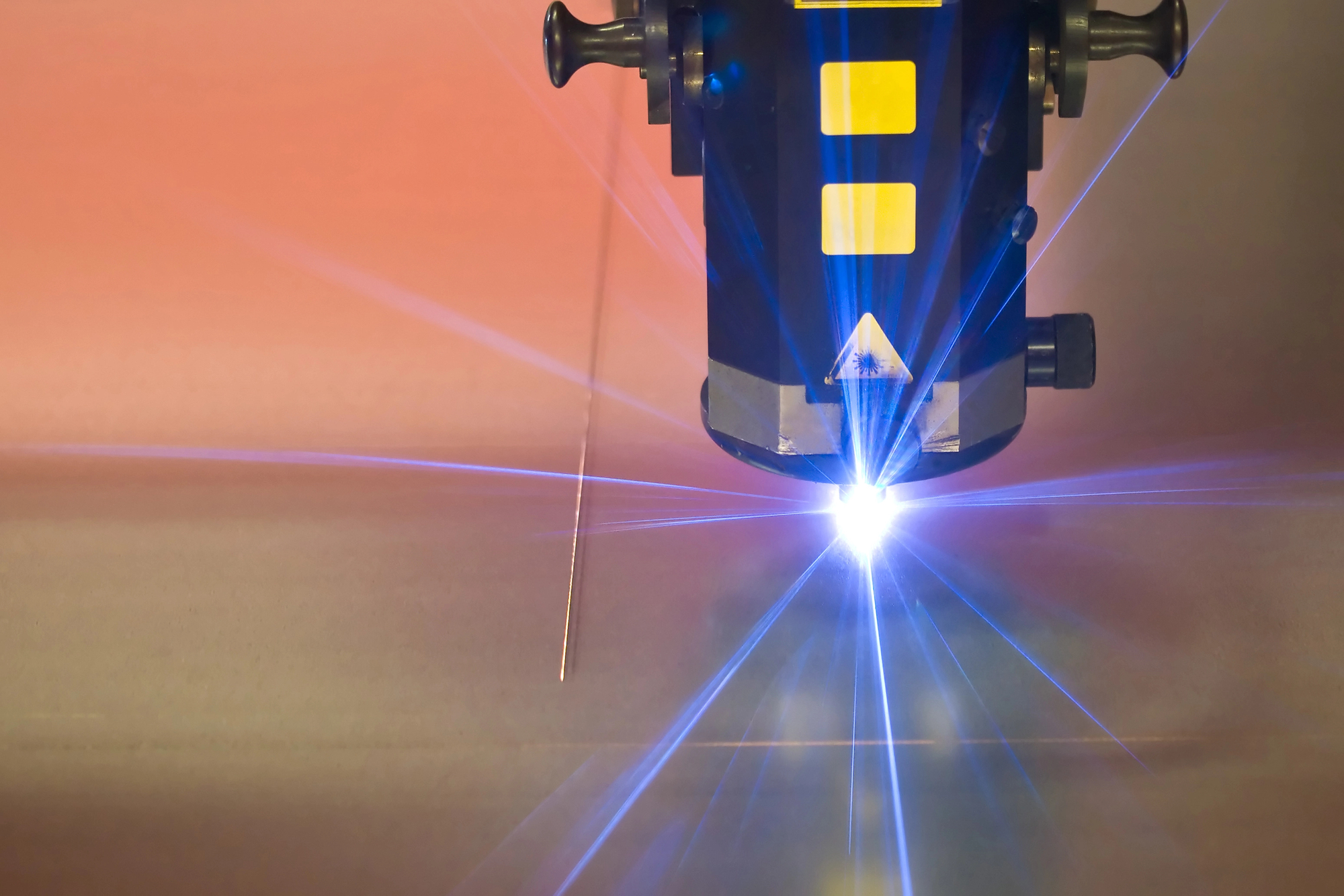
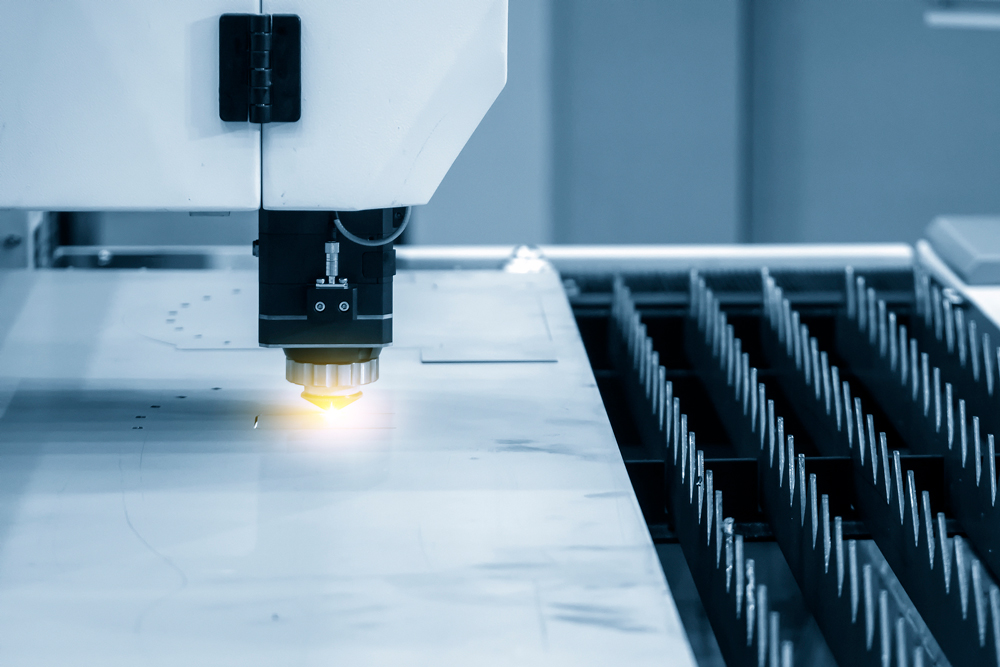
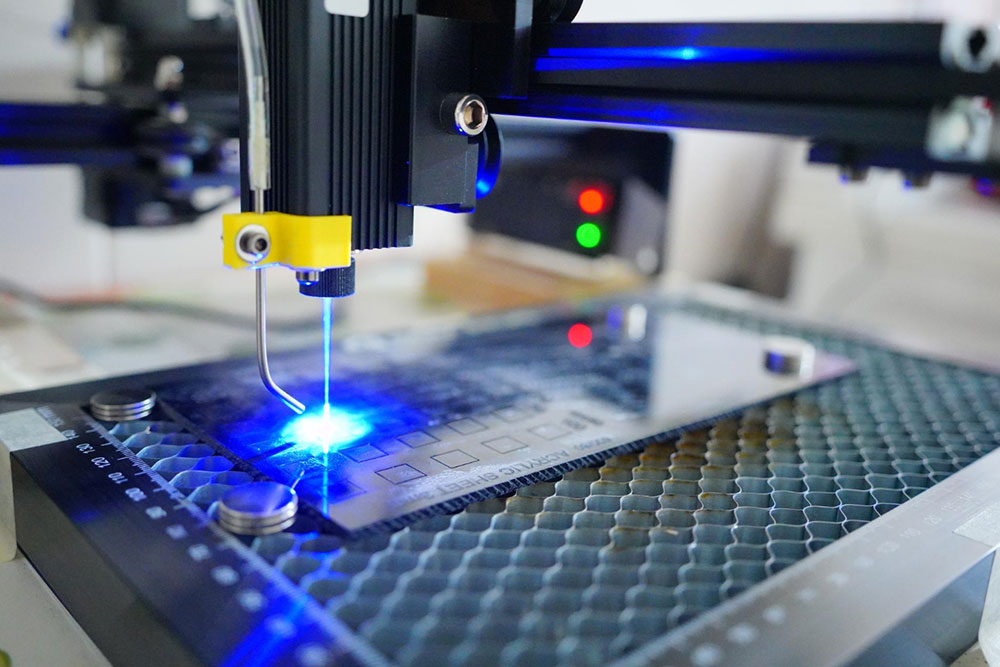
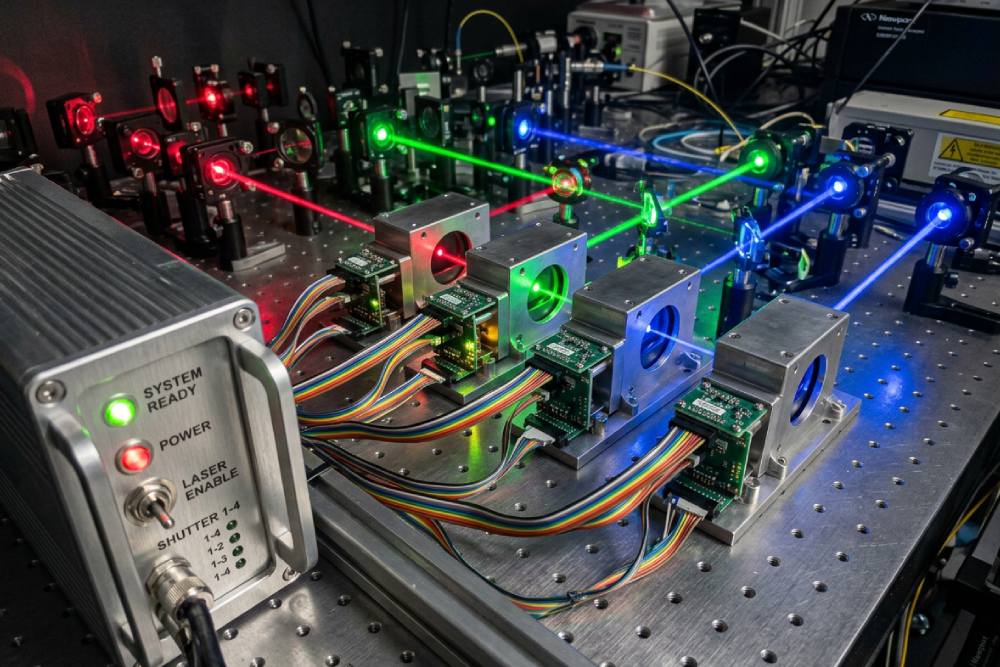
Quick Summary UV laser marking creates permanent, high-contrast marks through cold ablation instead of melting, which protects heat-sensitive plastics, glass, and coated metals from cracking or discoloration. Short wavelength output also allows fine detail work[…]
Read More
July 24, 2026
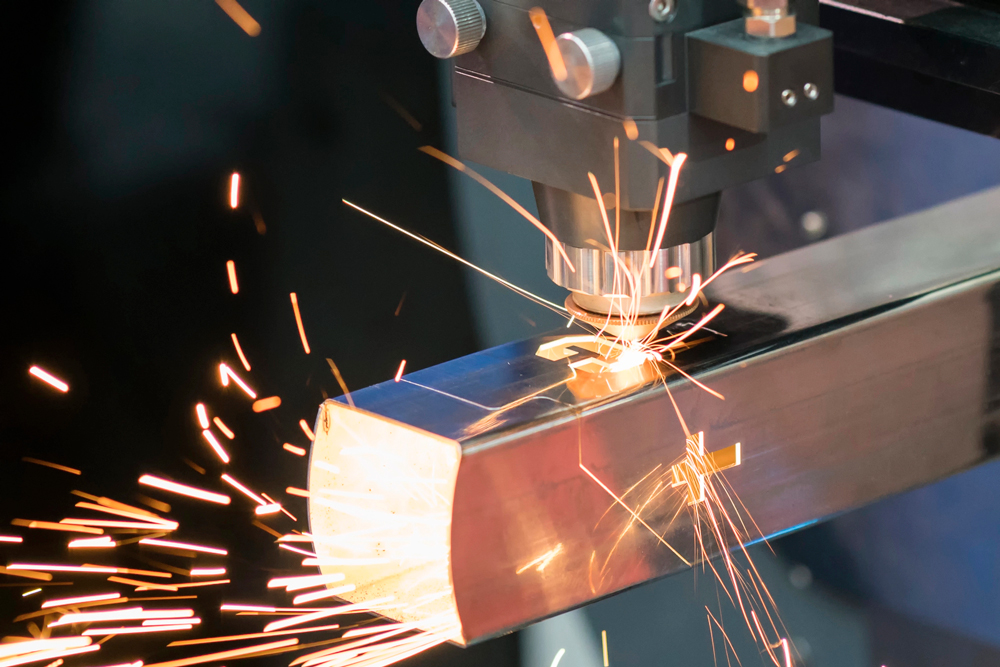
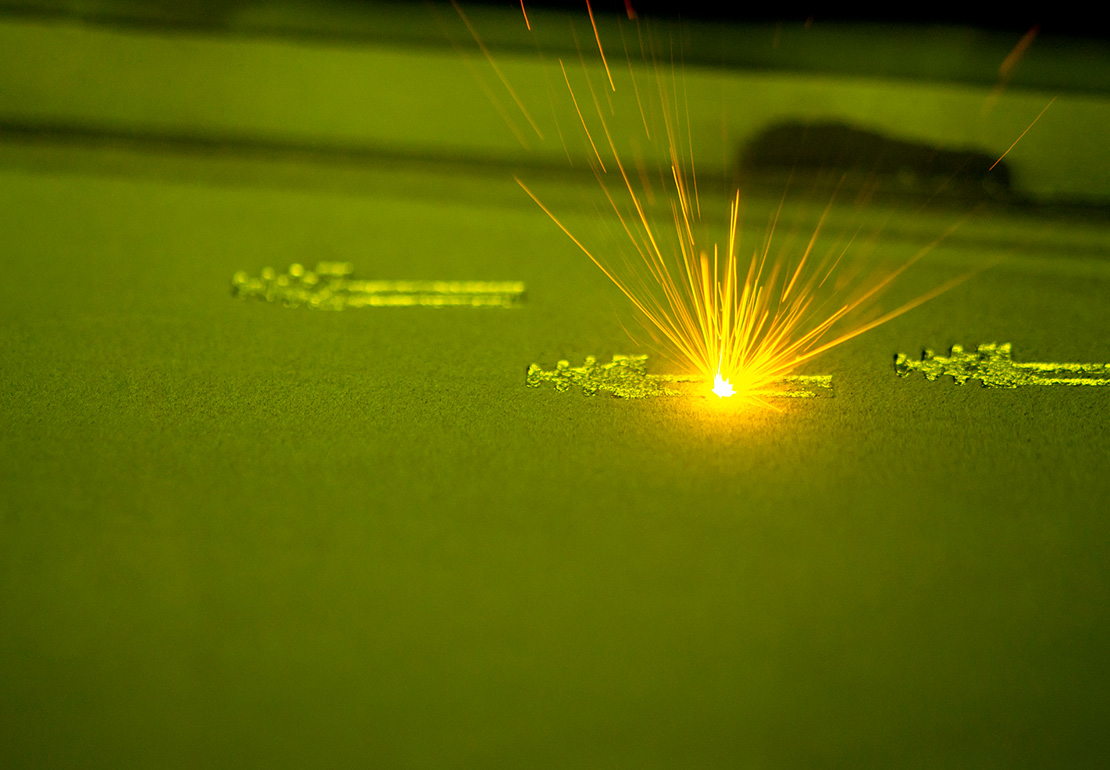
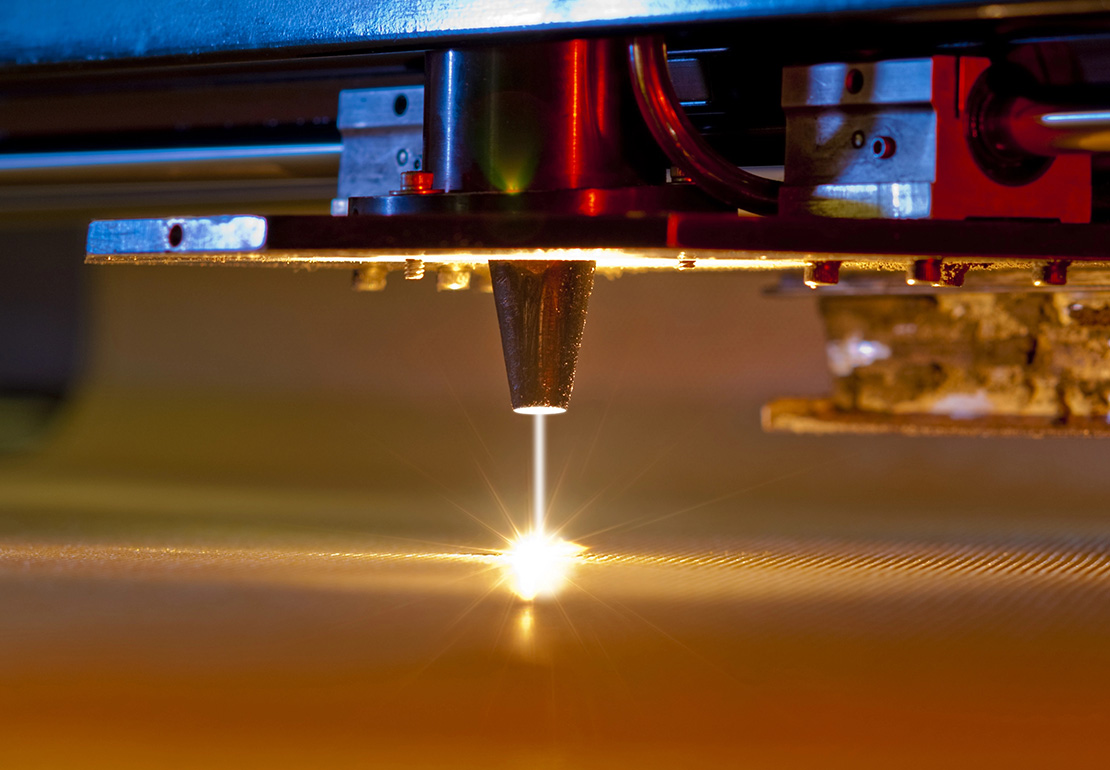
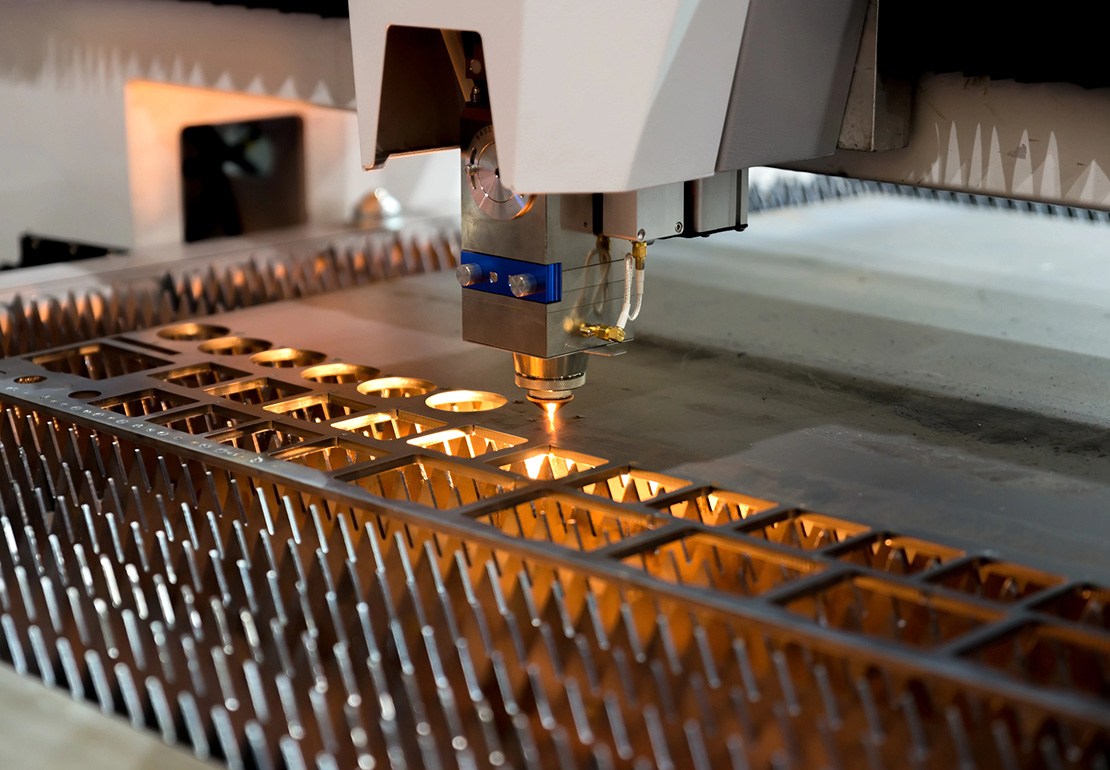
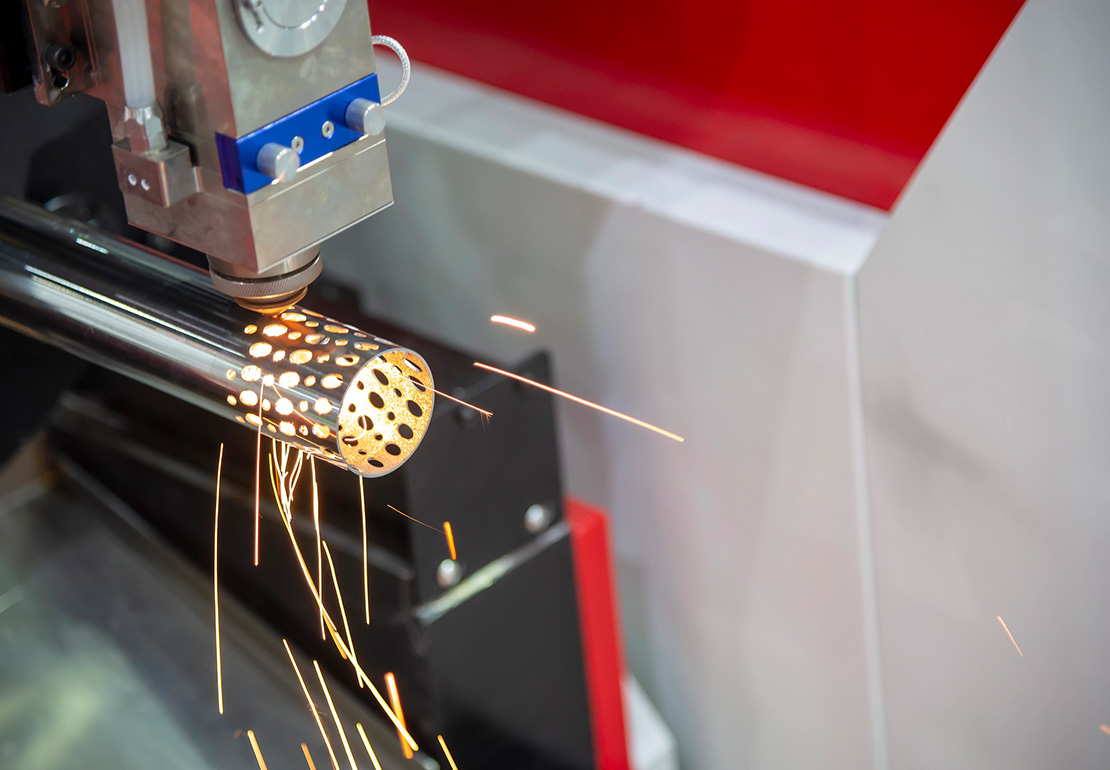
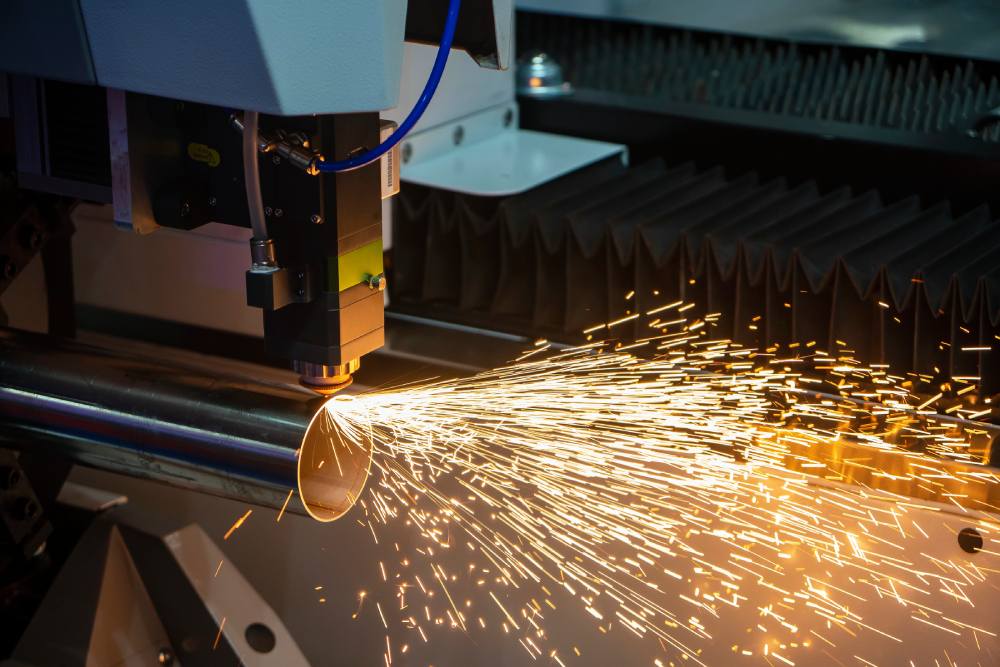
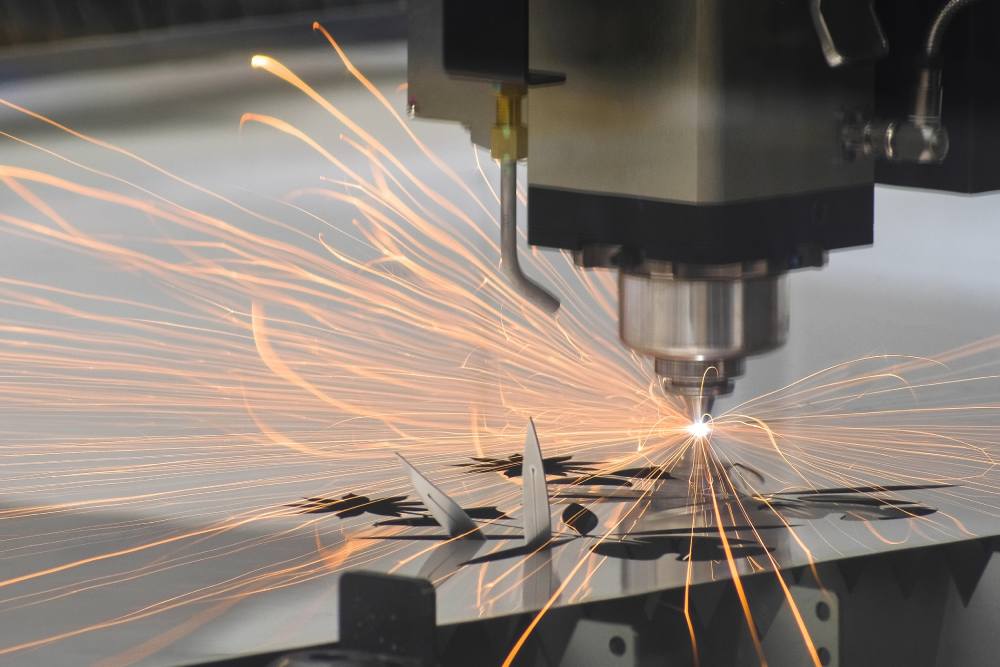
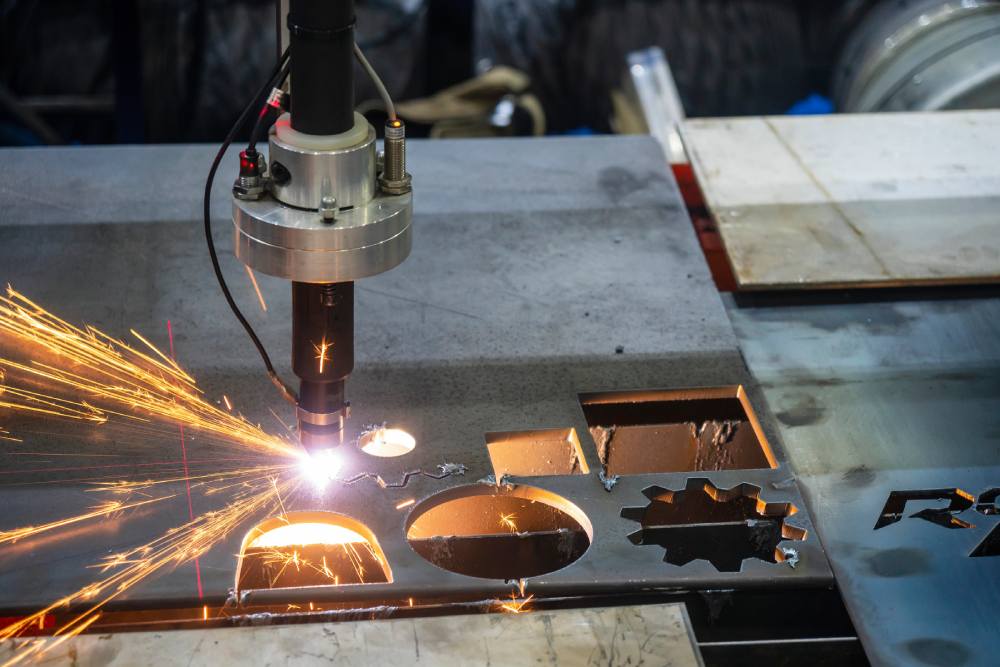
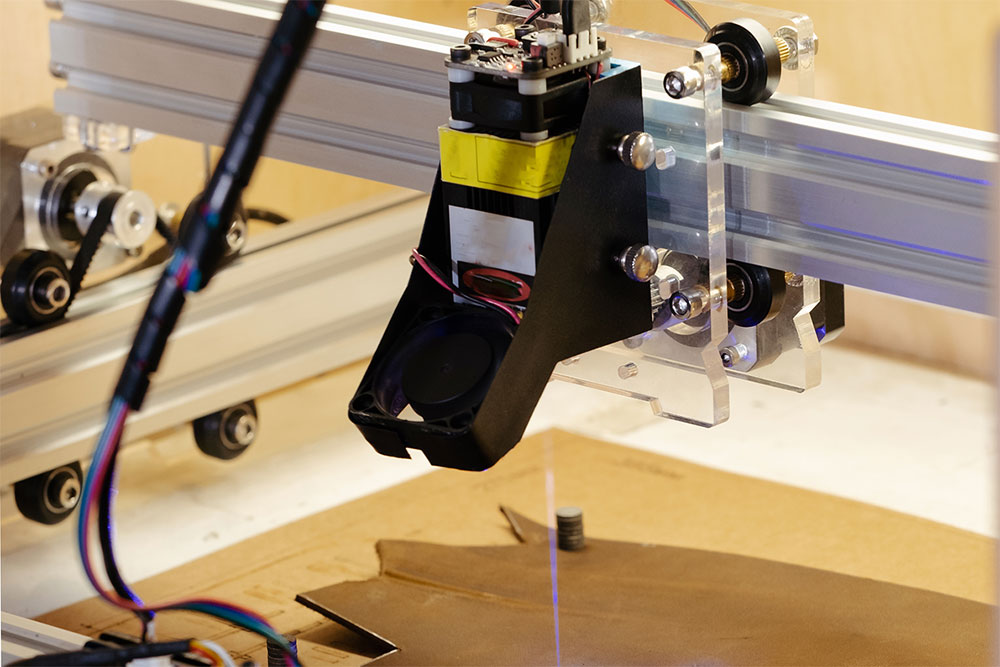
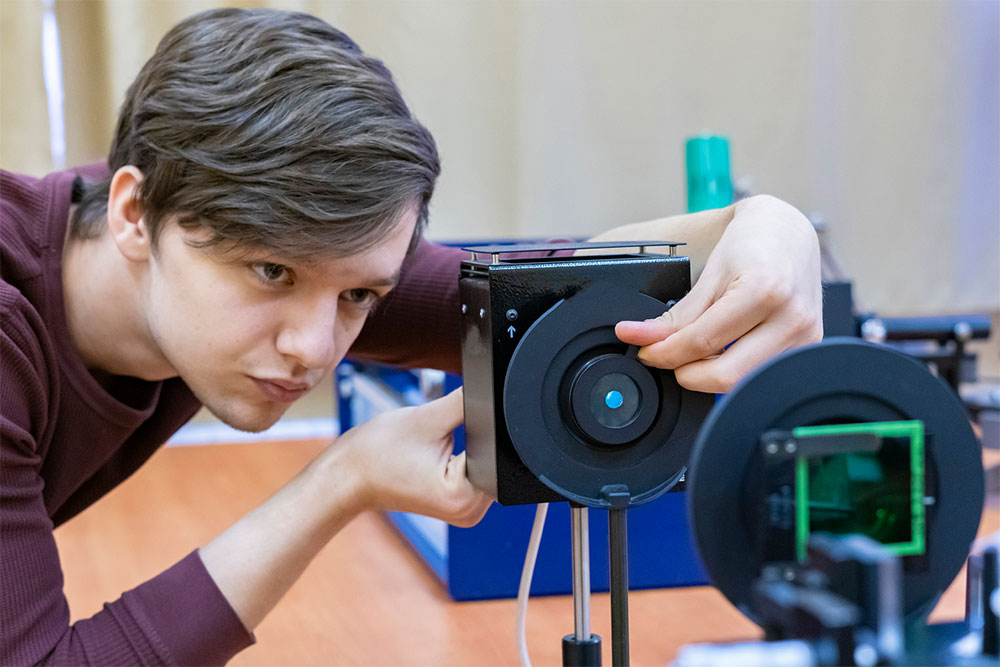
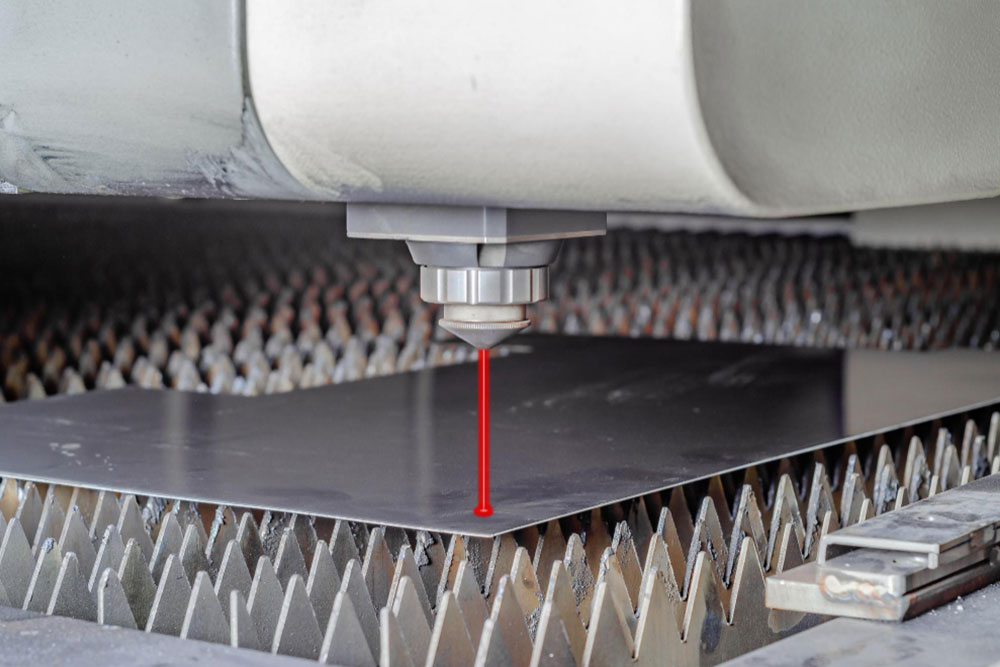
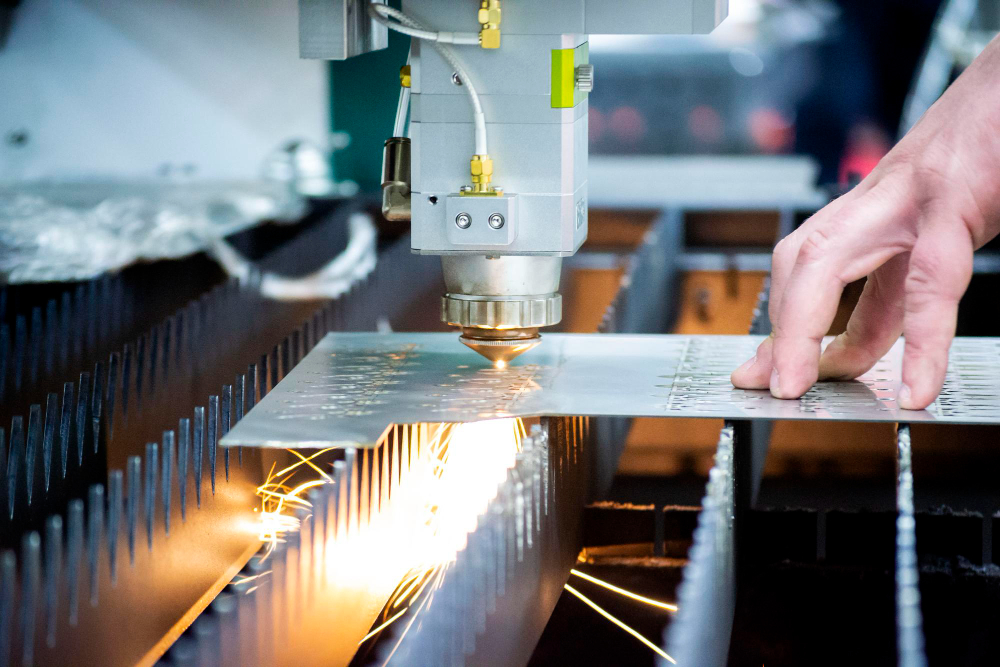
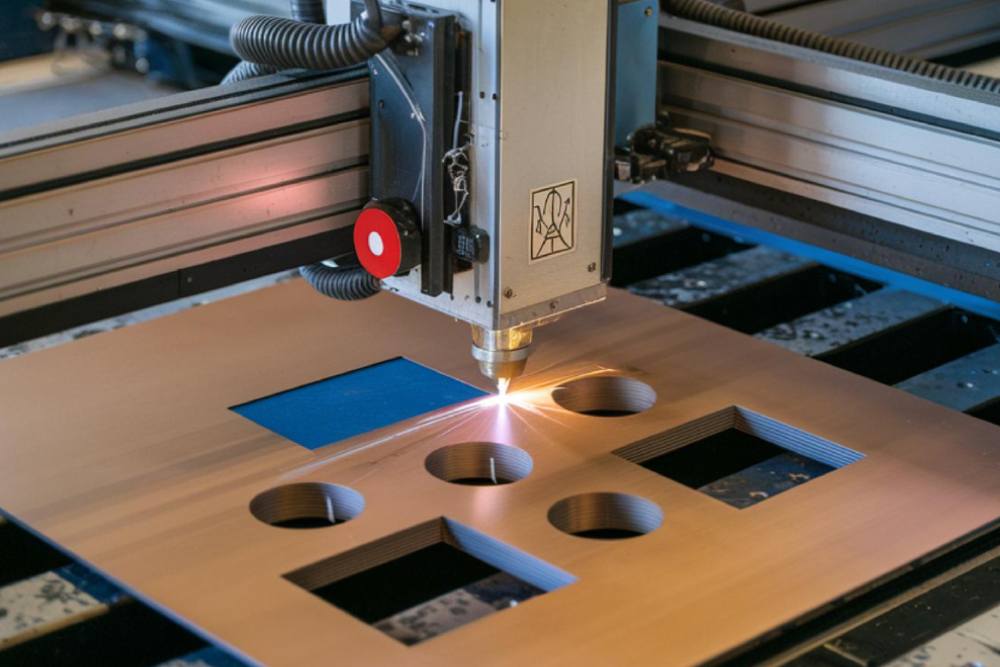
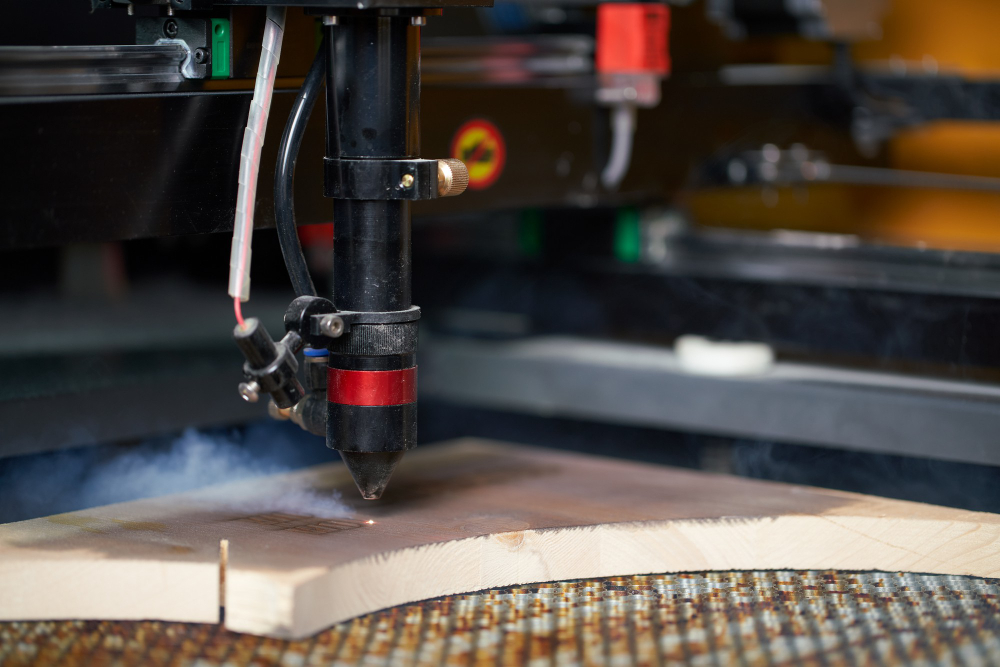
A Guide To UV Laser Singulation For Precision C...
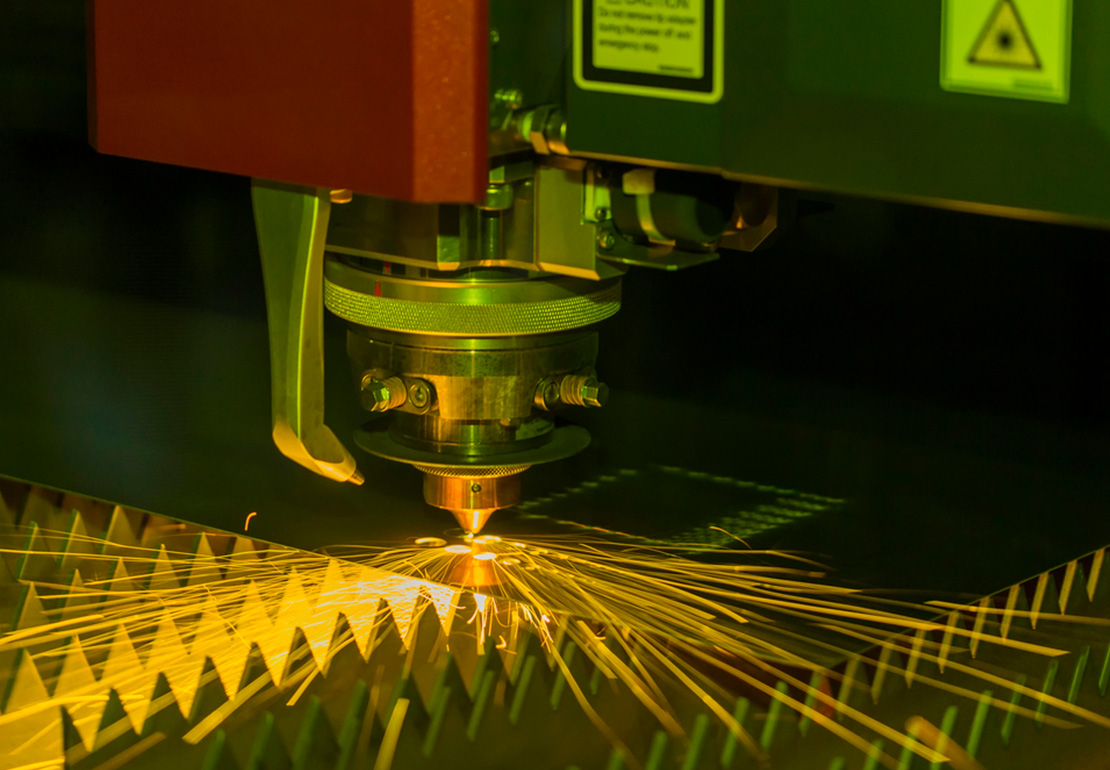
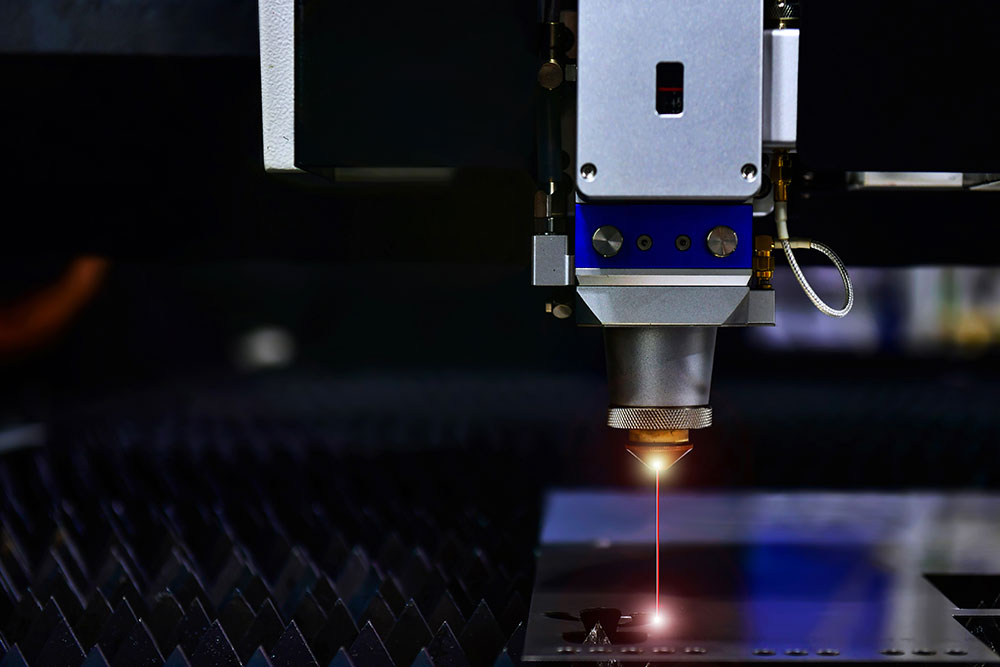
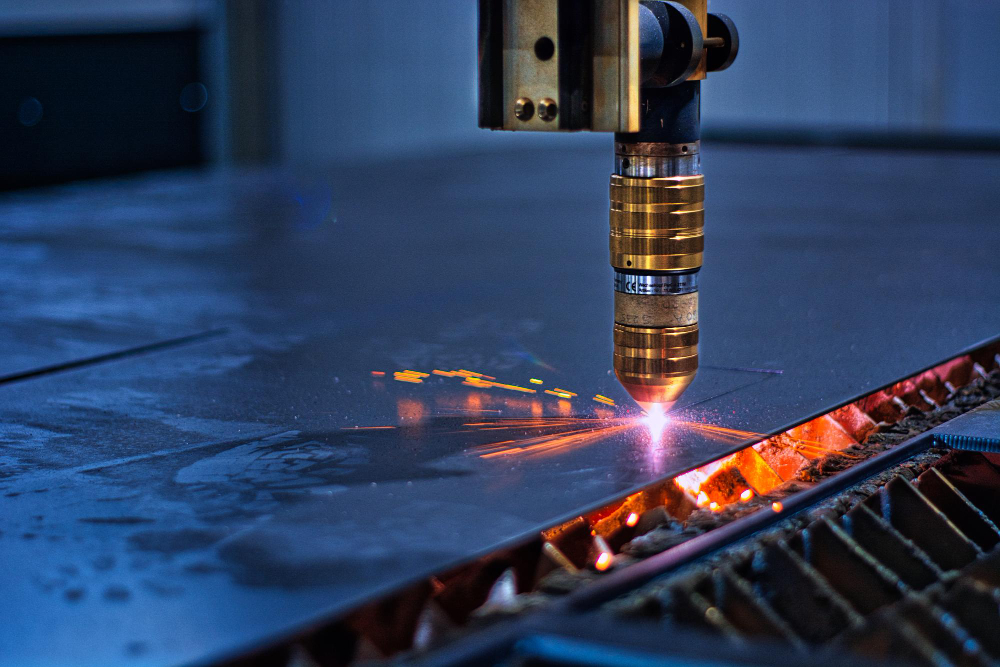
Quick Summary UV laser singulation uses short, high-energy pulses to separate semiconductor dies, MEMS components, and thin substrates with a narrower kerf and far less mechanical stress than blade or plasma dicing. The process depends[…]
Read More
July 24, 2026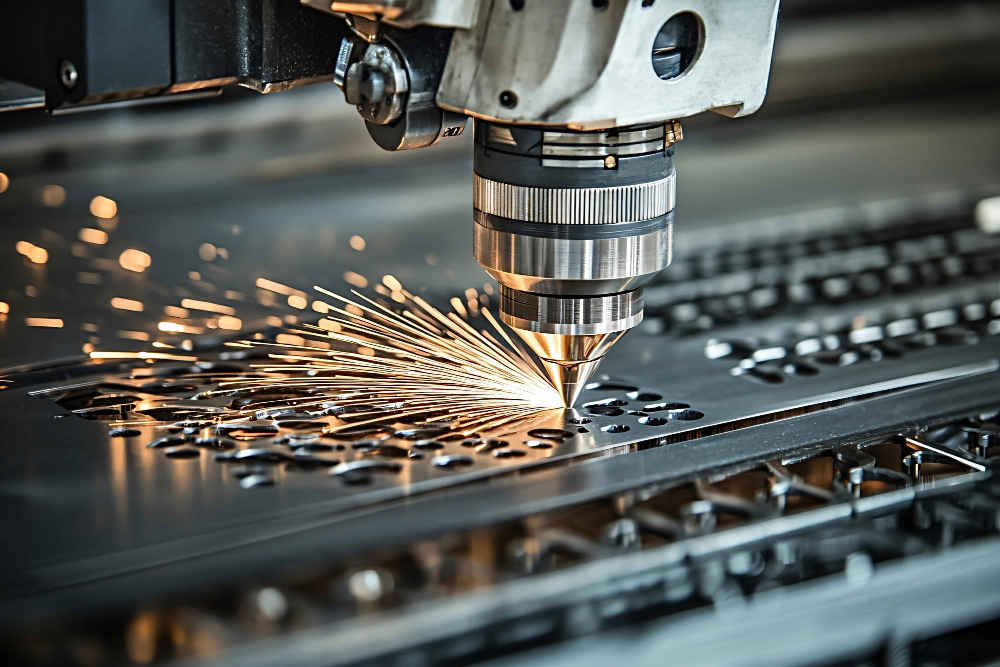
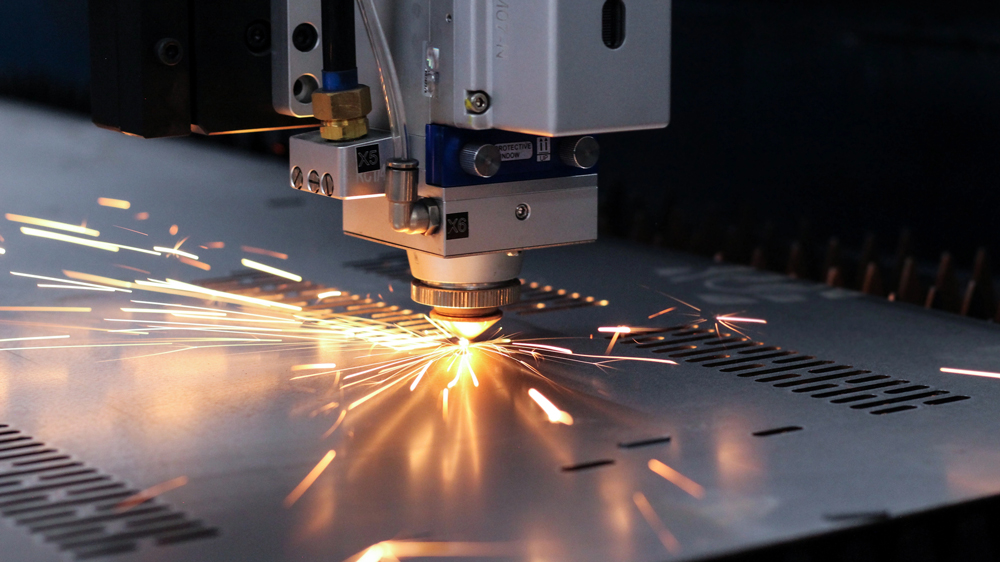
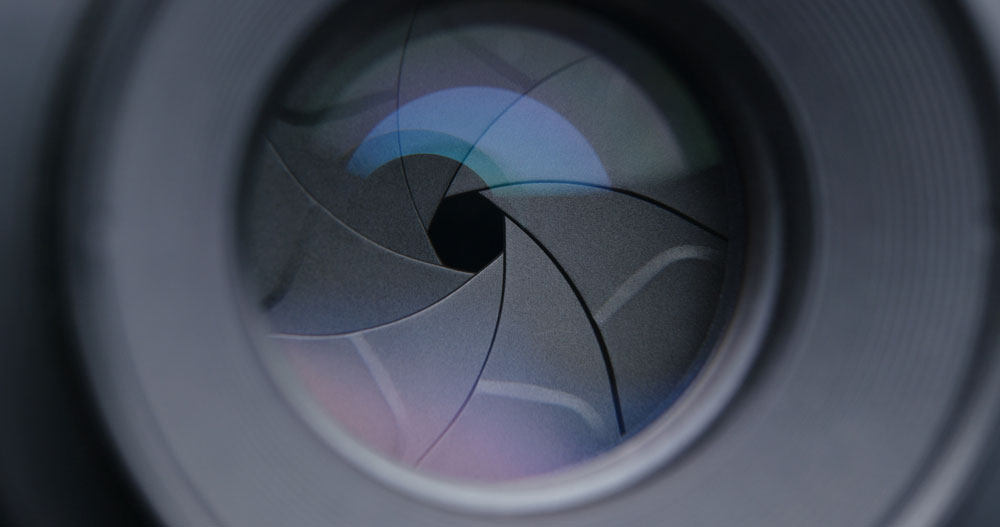
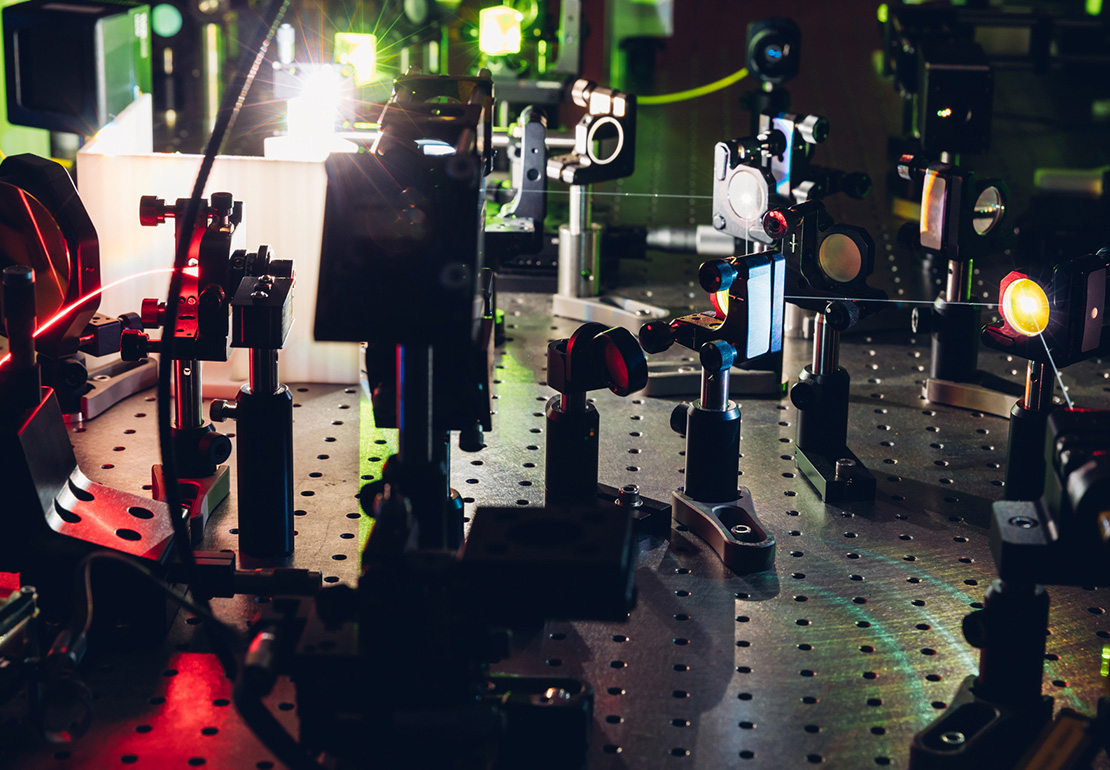
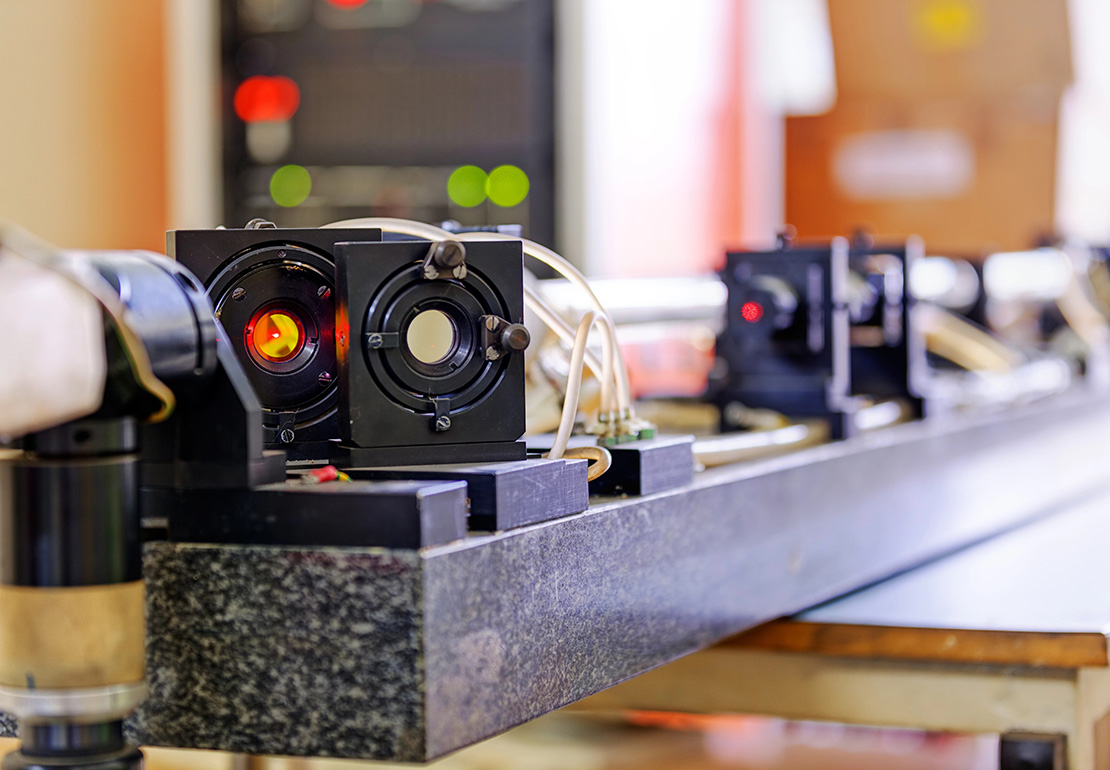
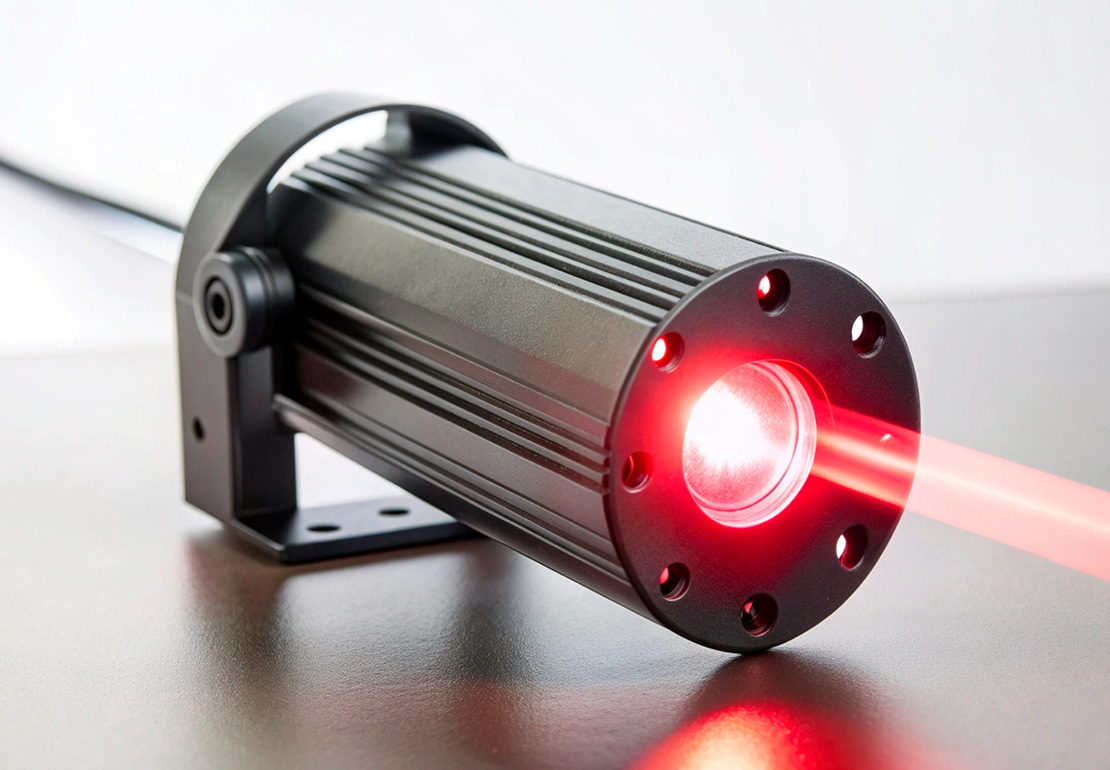
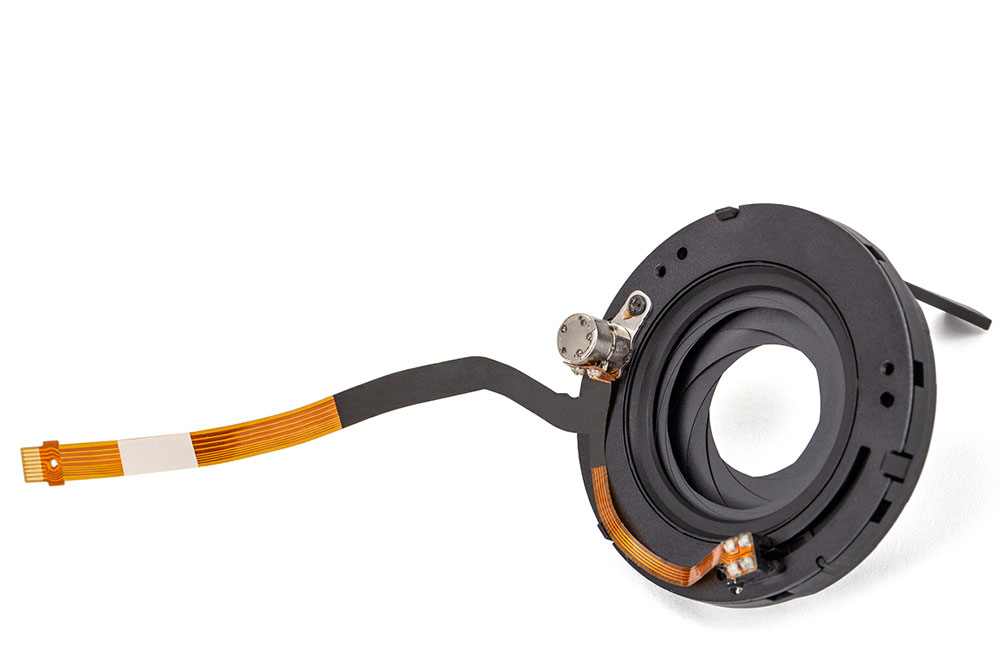
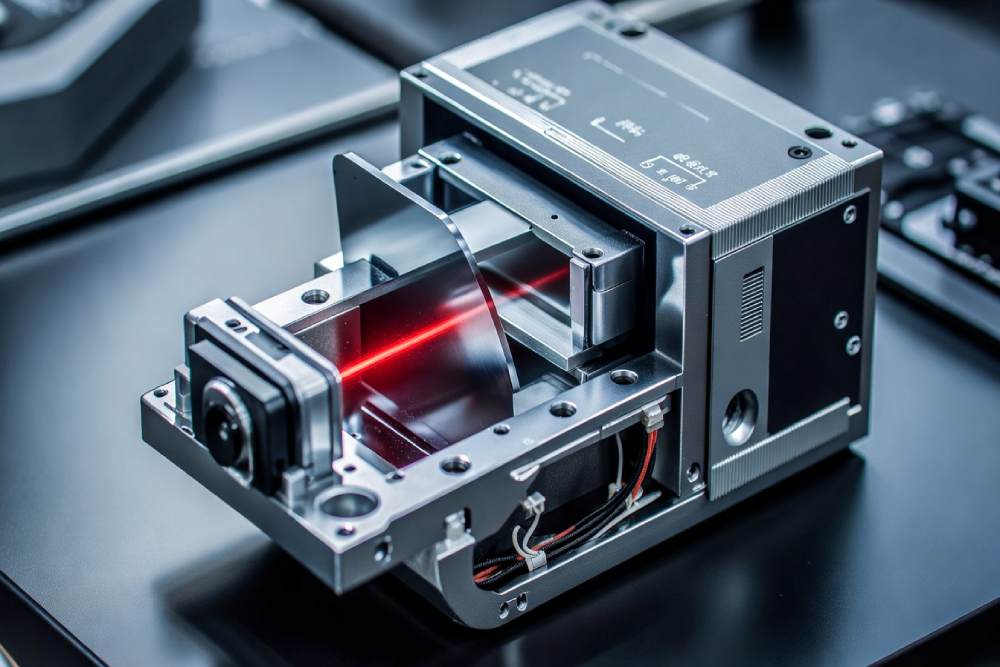
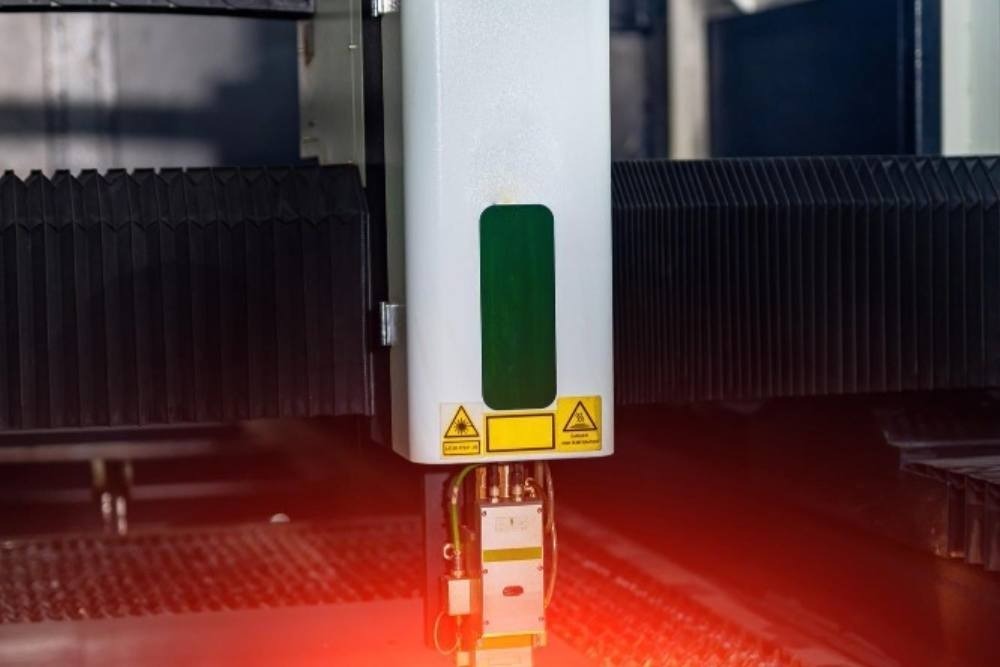
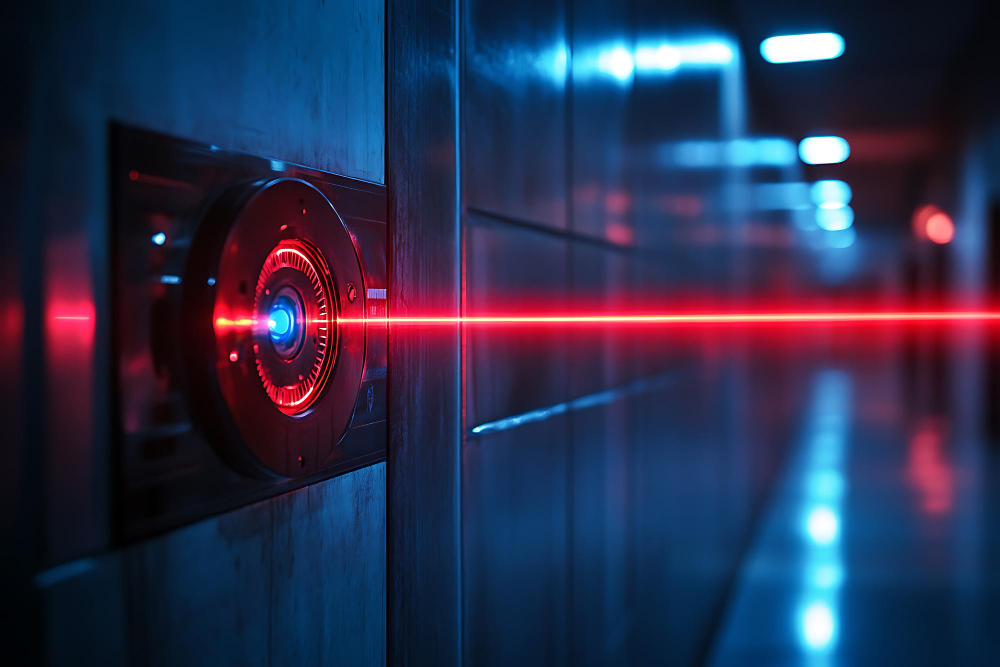
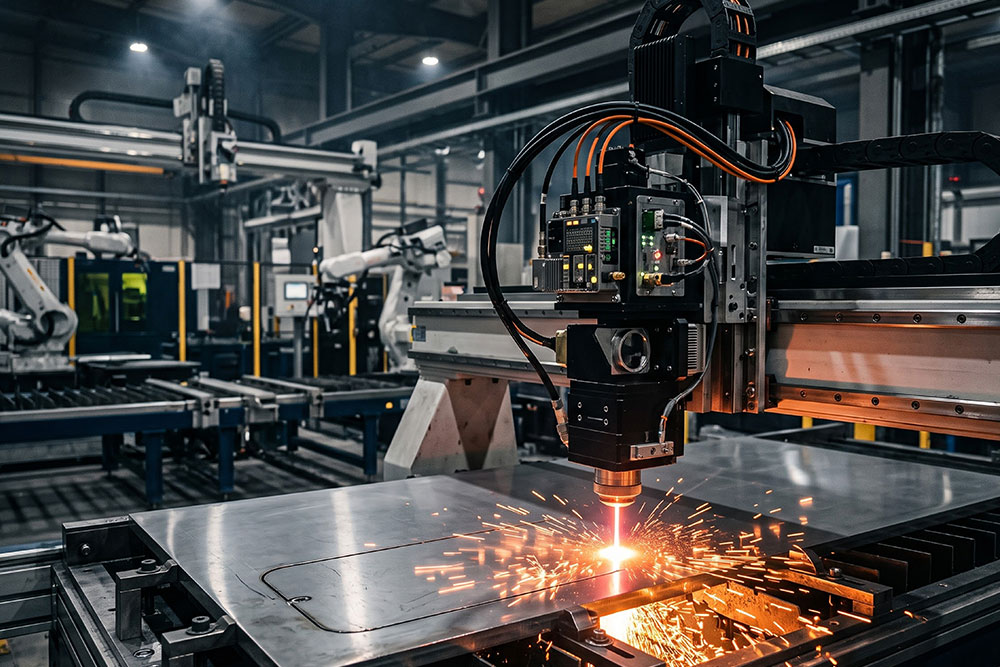
Understanding Polarization-Independent Fast Opt...
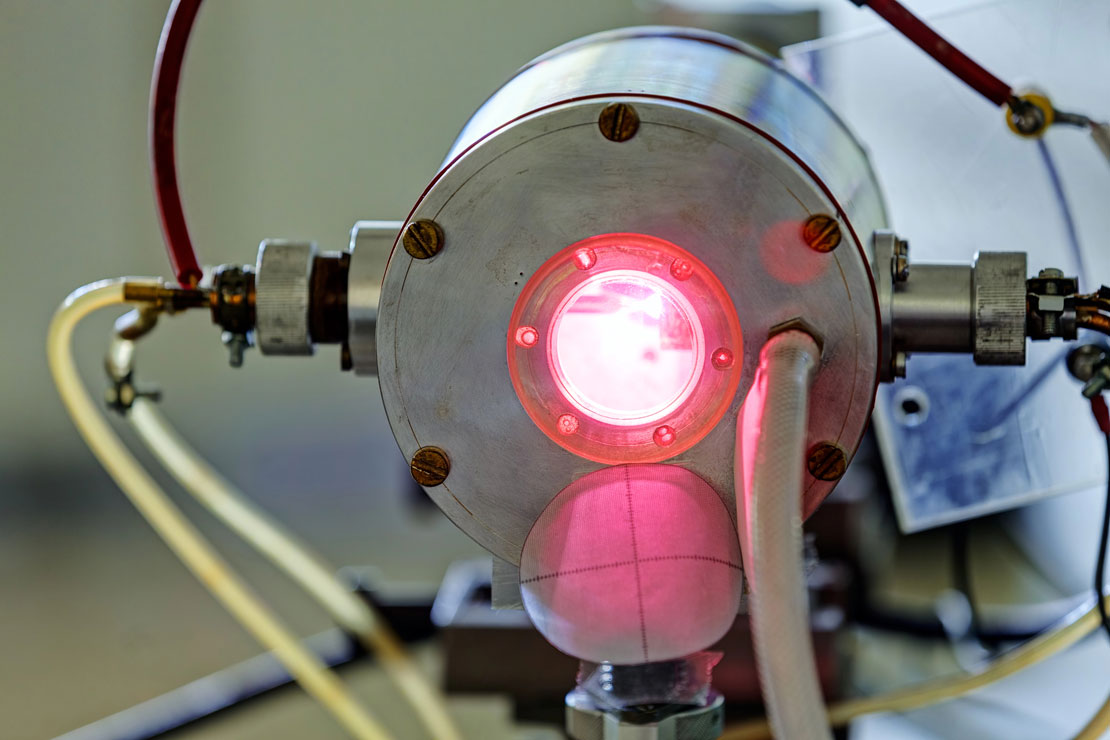
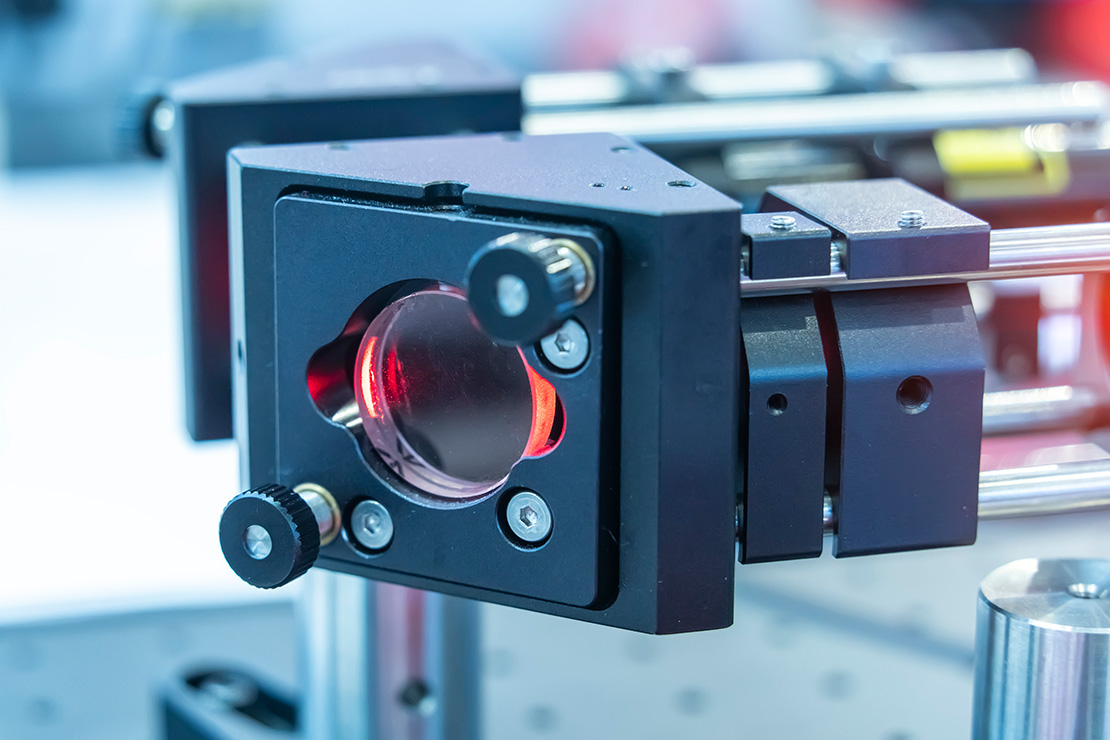
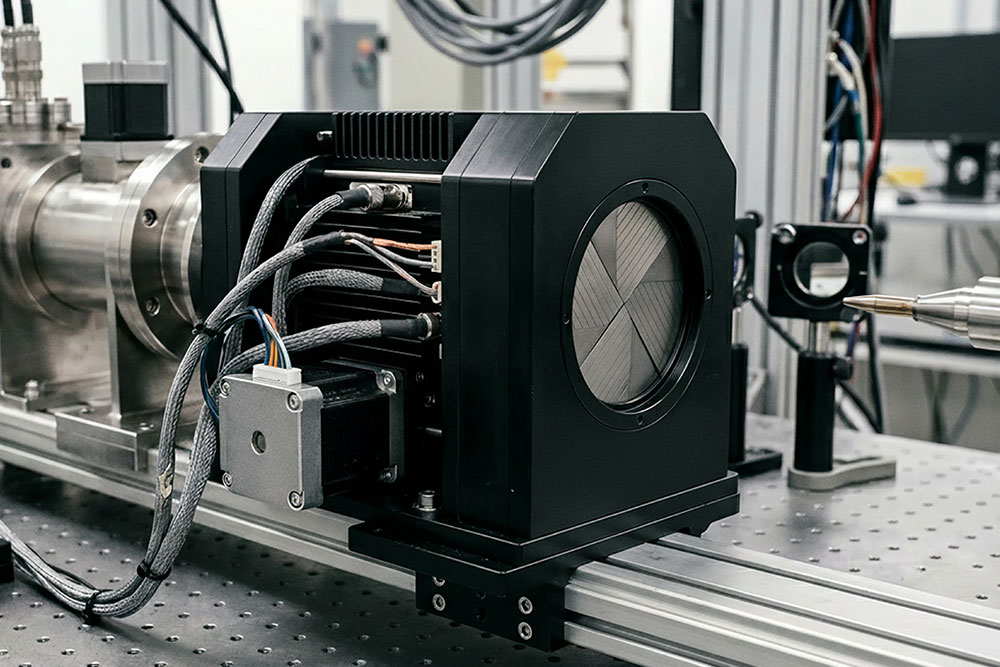
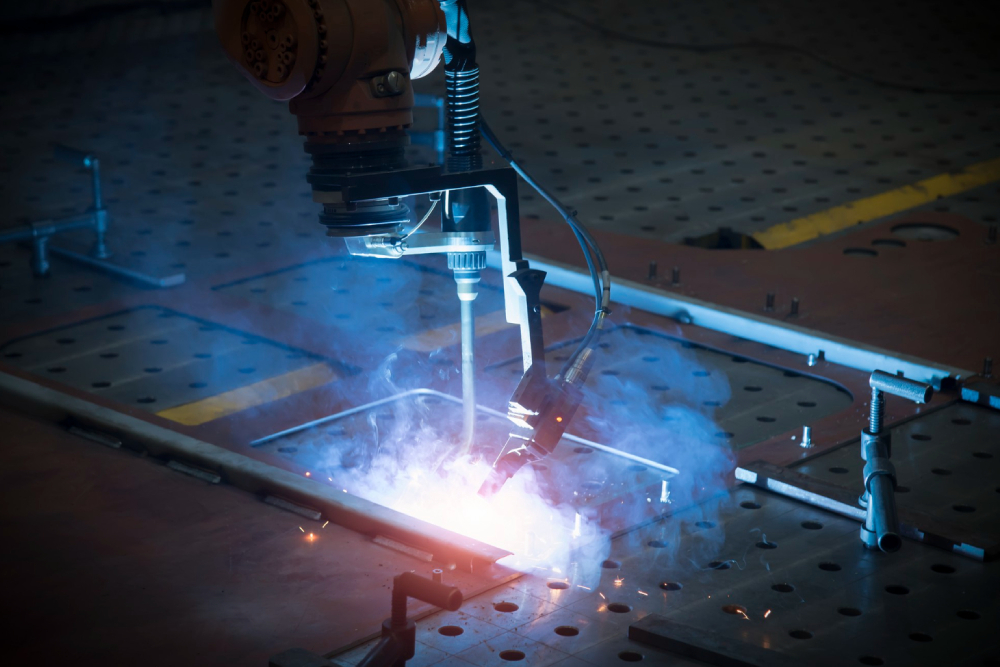
Quick Summary Some optical shutter designs depend on the polarization state of incoming light to function, while others block or pass a beam regardless of how it is polarized. That distinction affects transmission efficiency, compatibility[…]
Read More
July 23, 2026
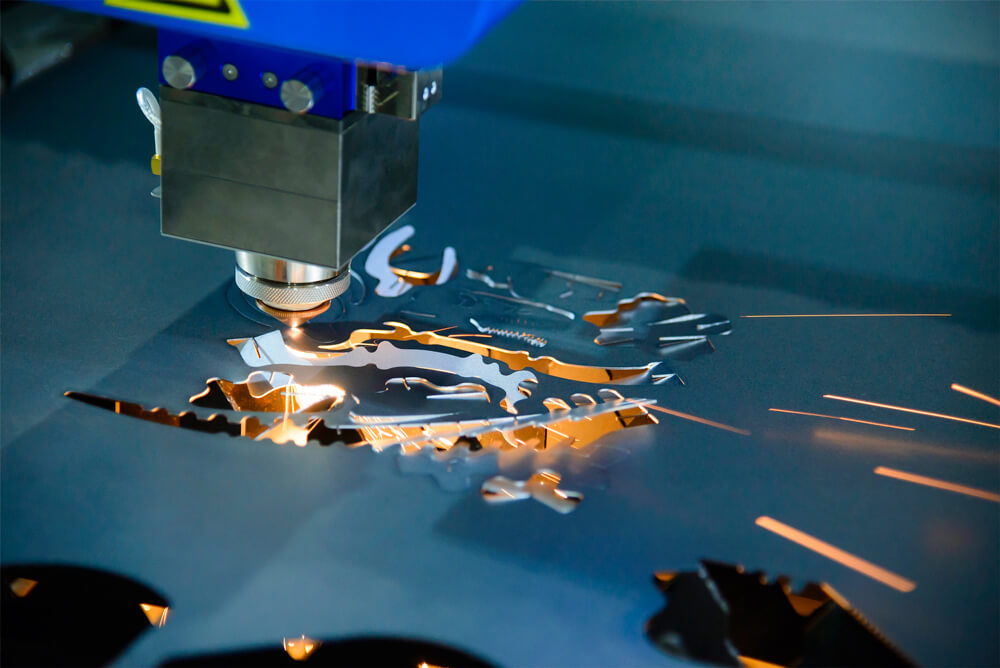
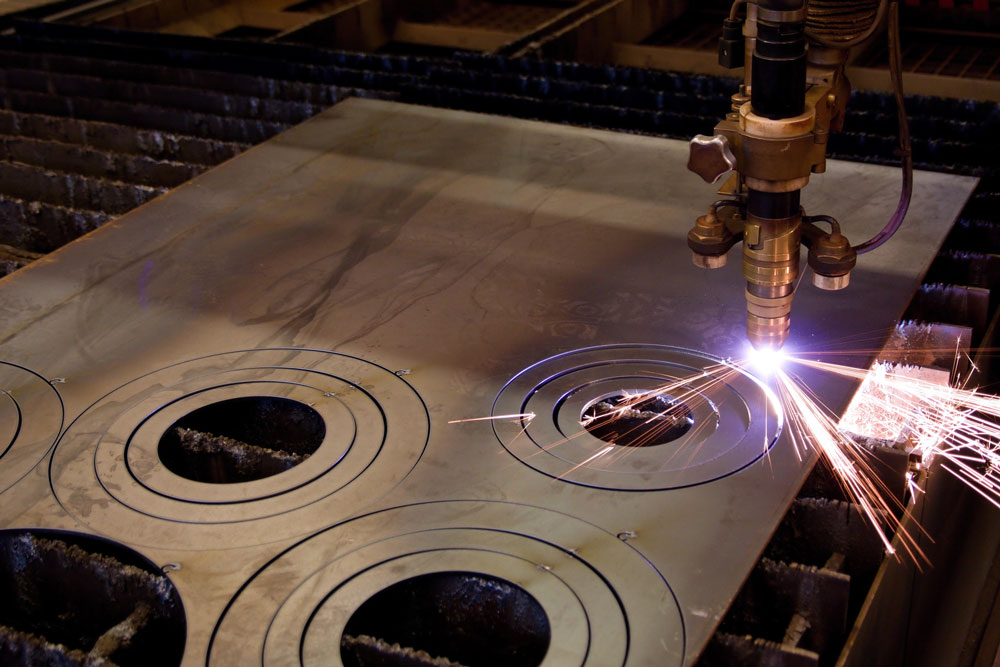
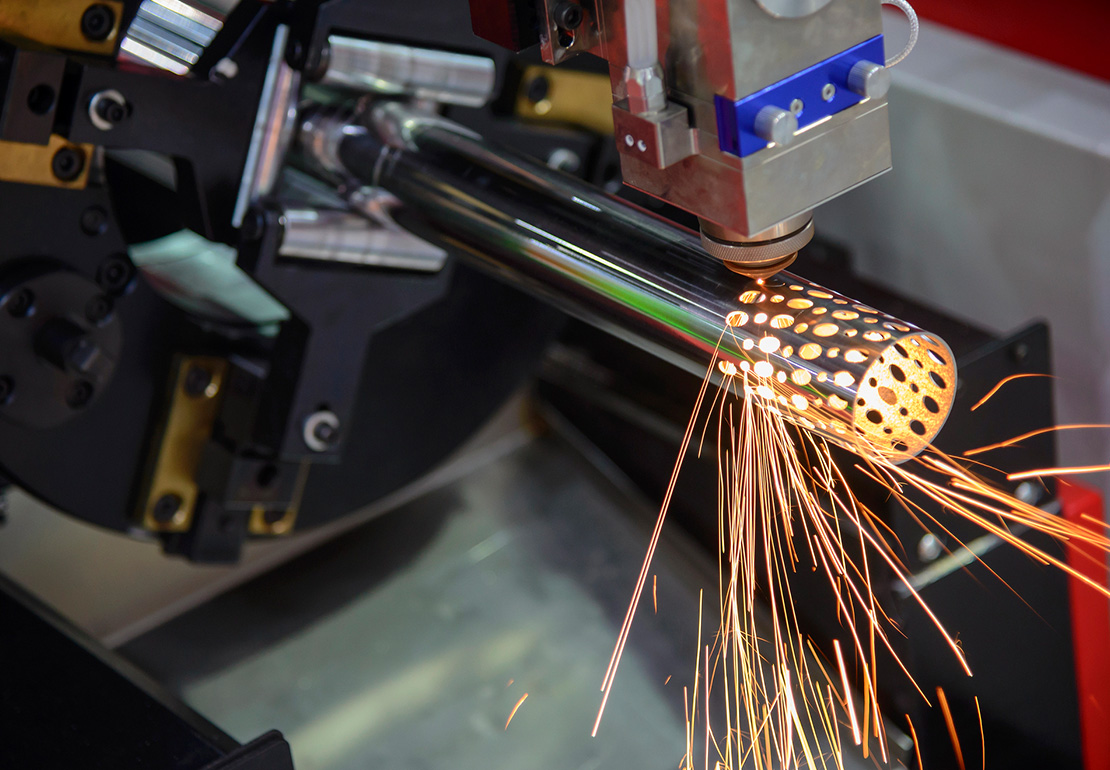
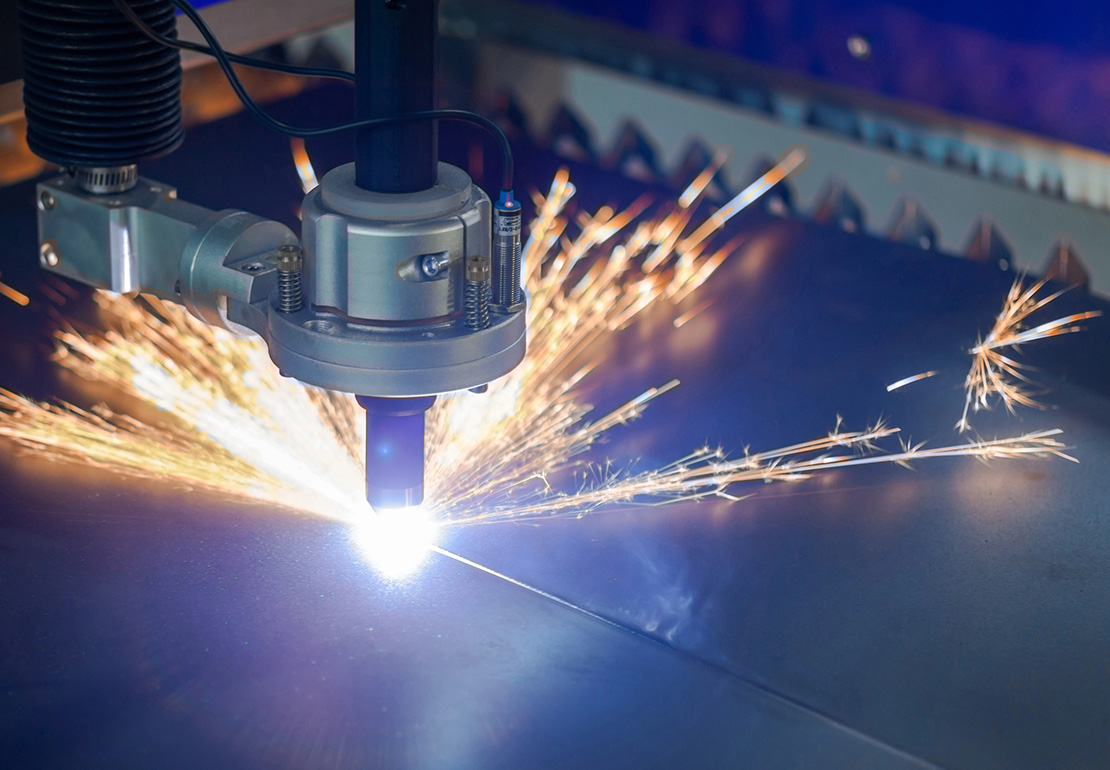
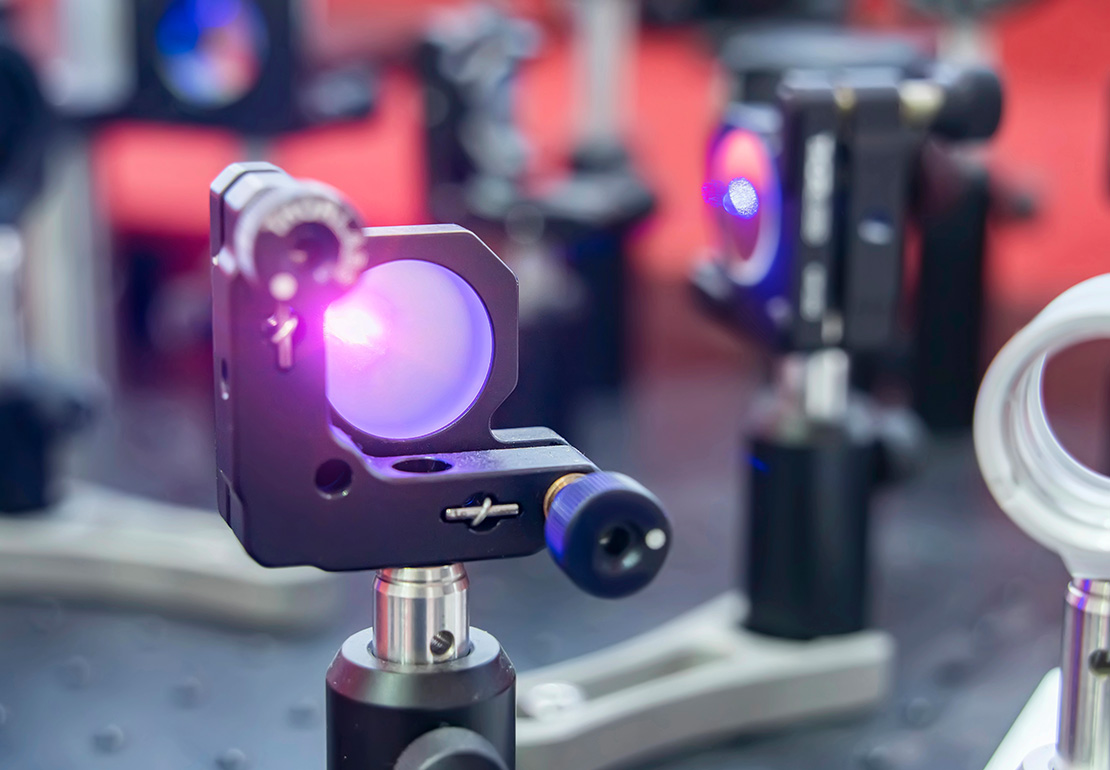
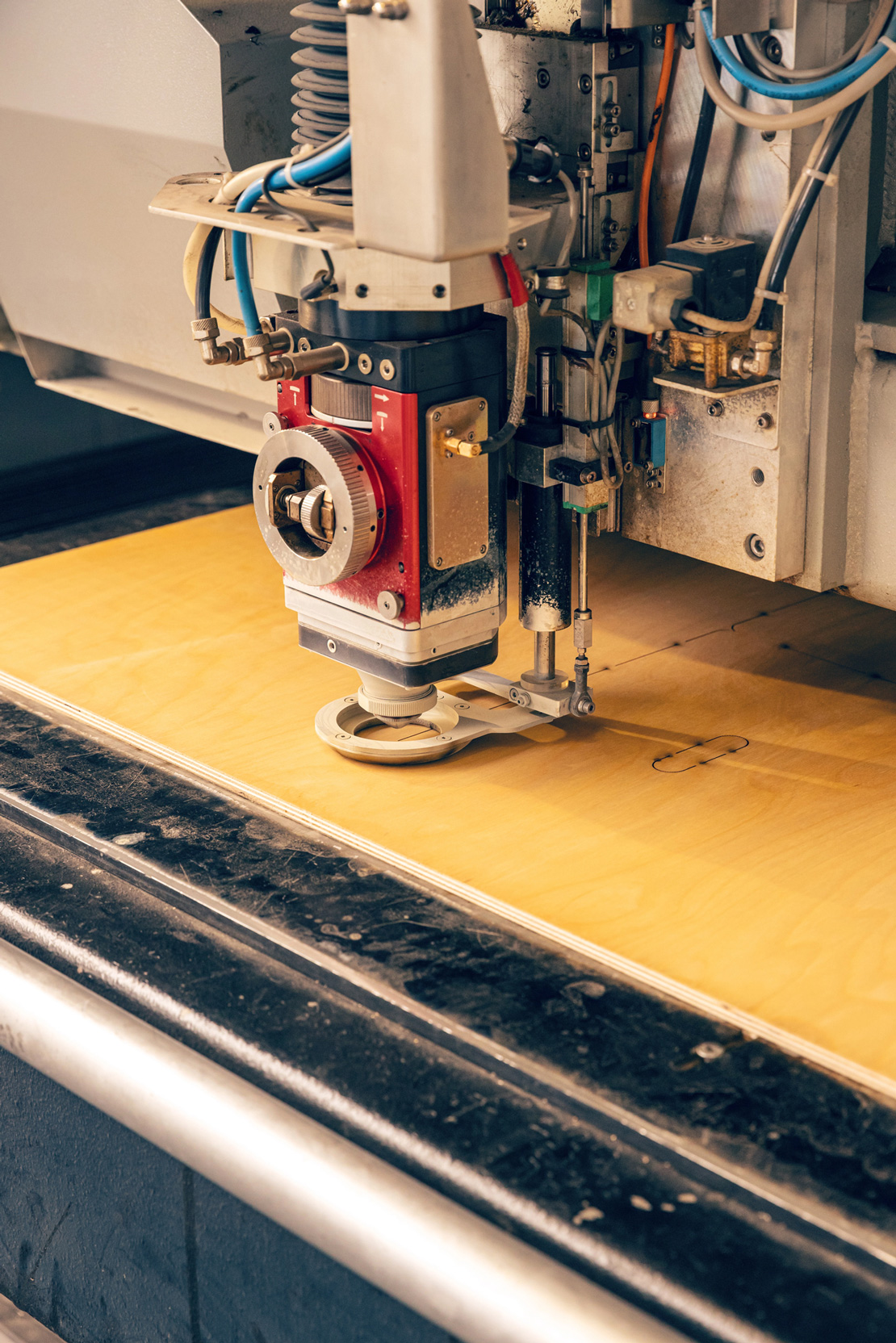
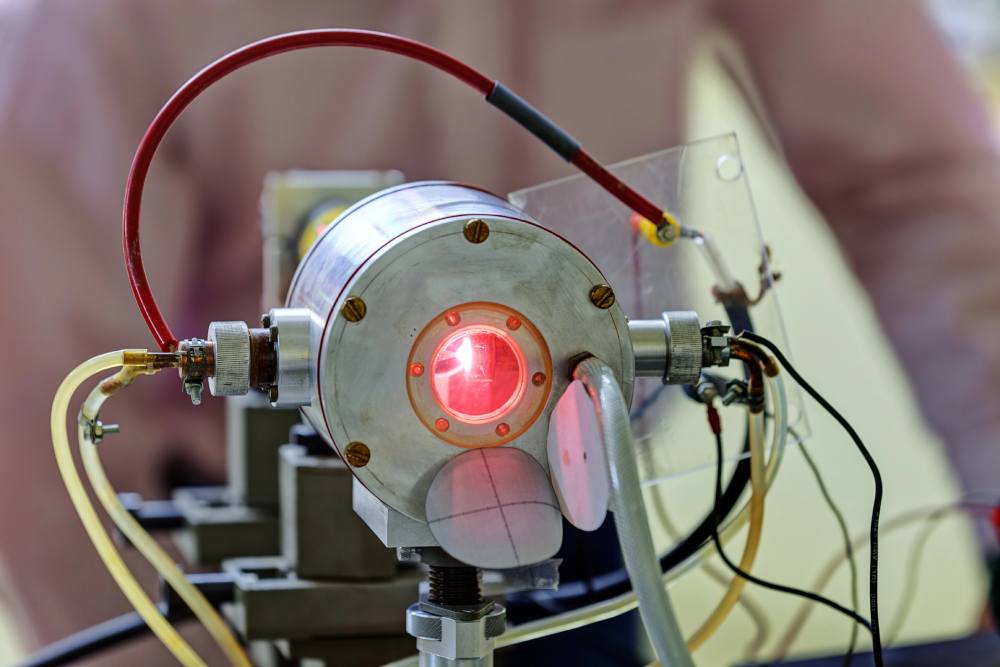
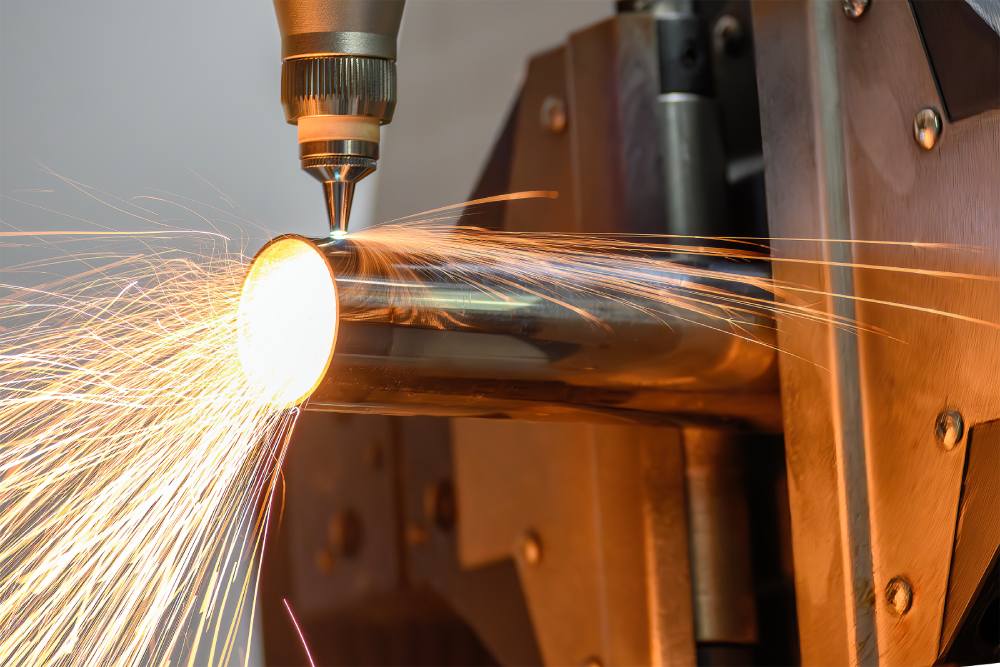
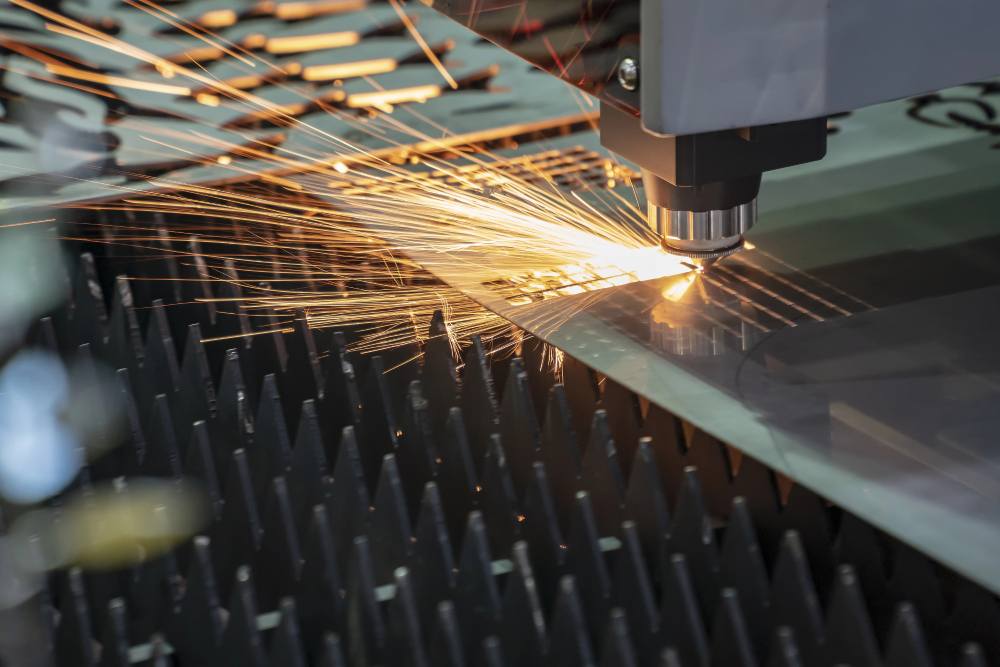
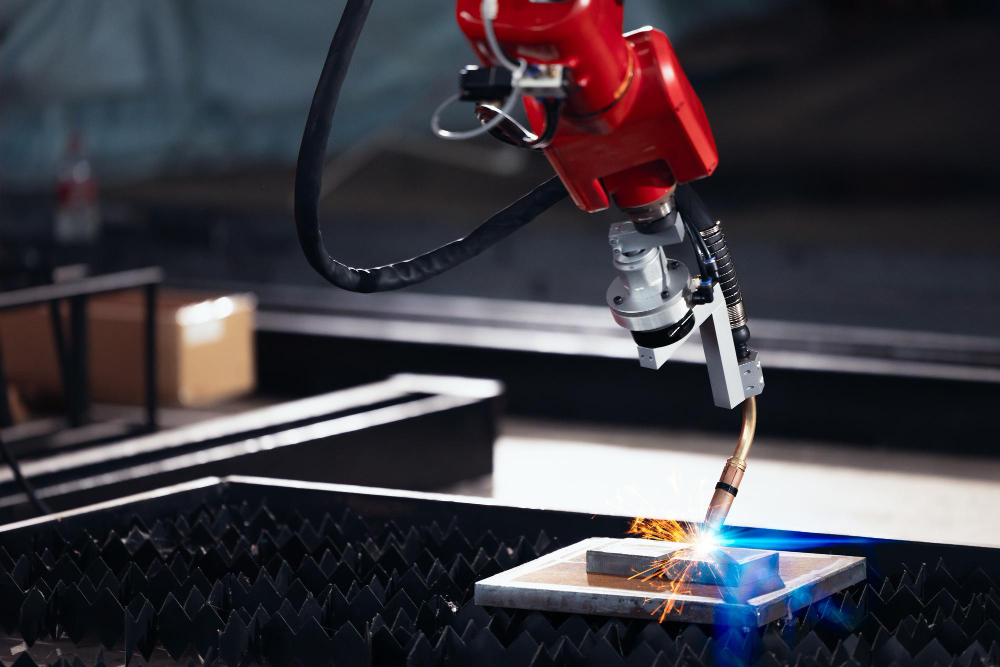
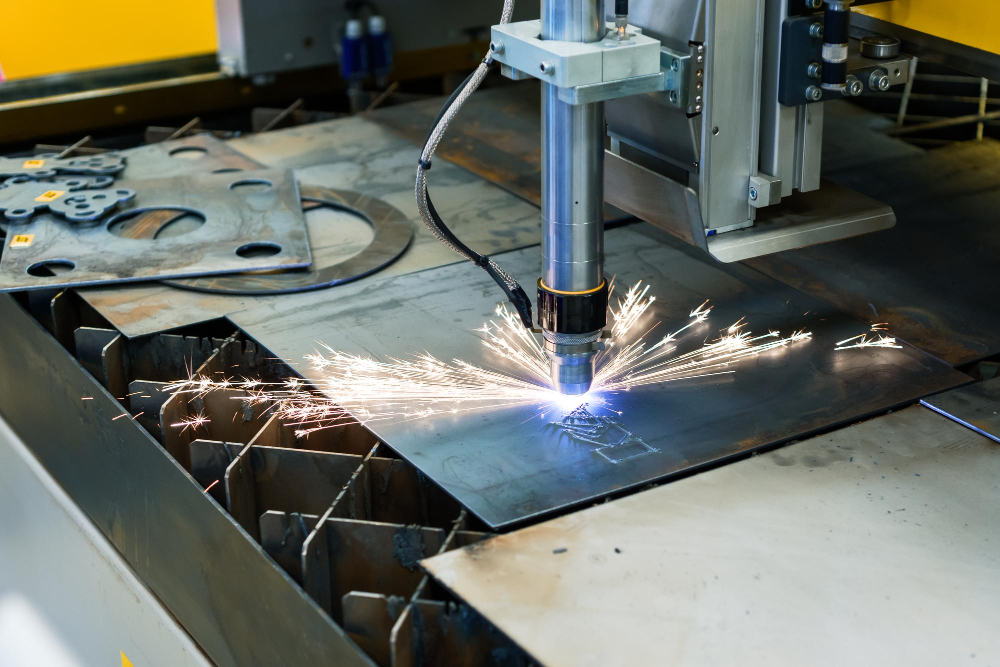
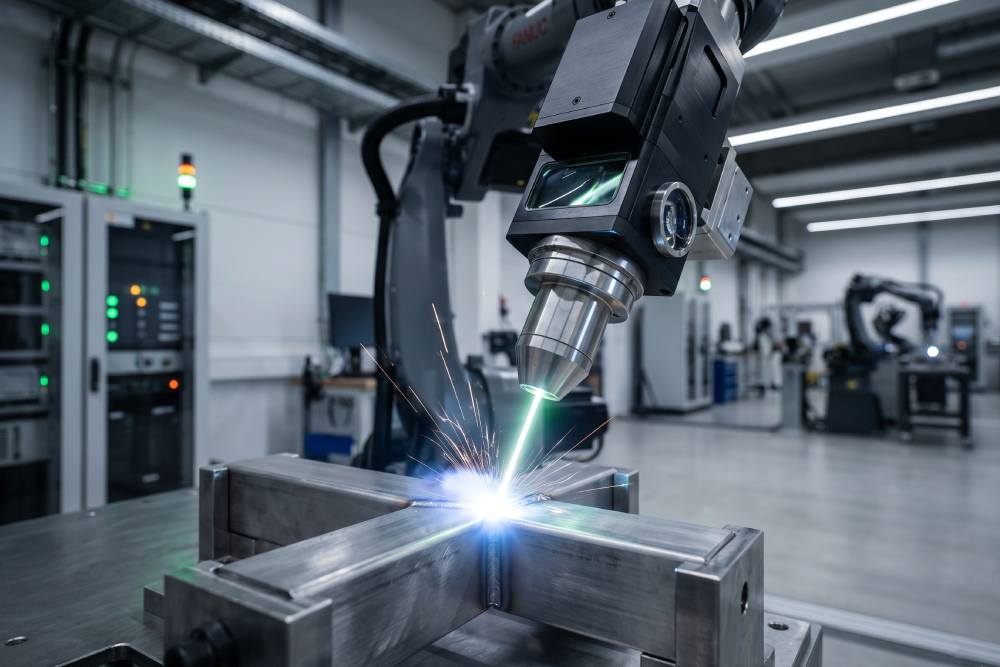
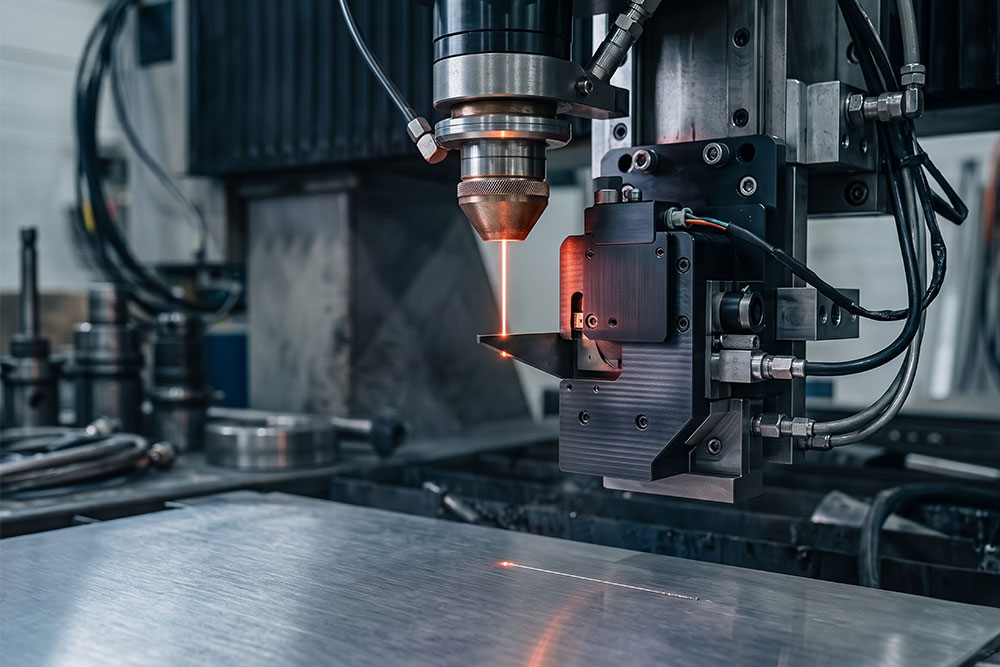
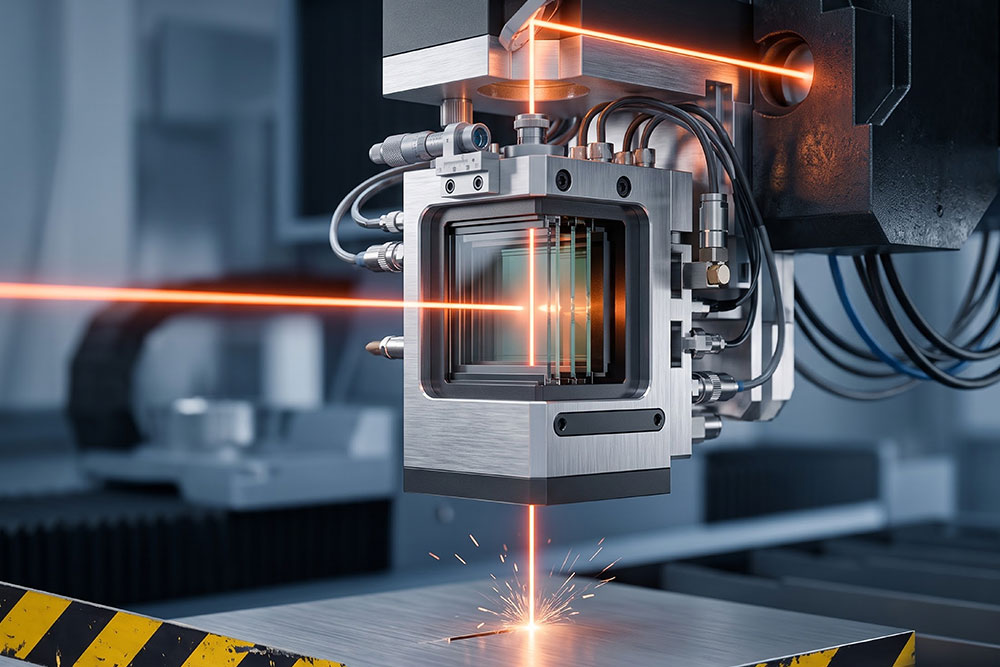
The Role Of Laser And Shutter Technologies In A...
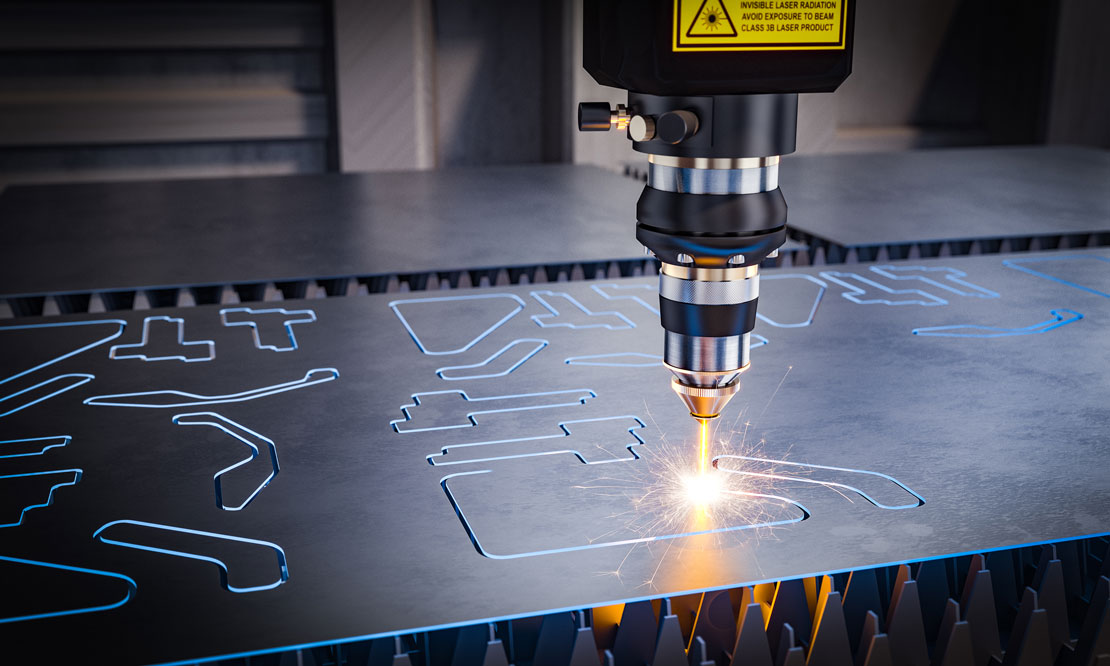
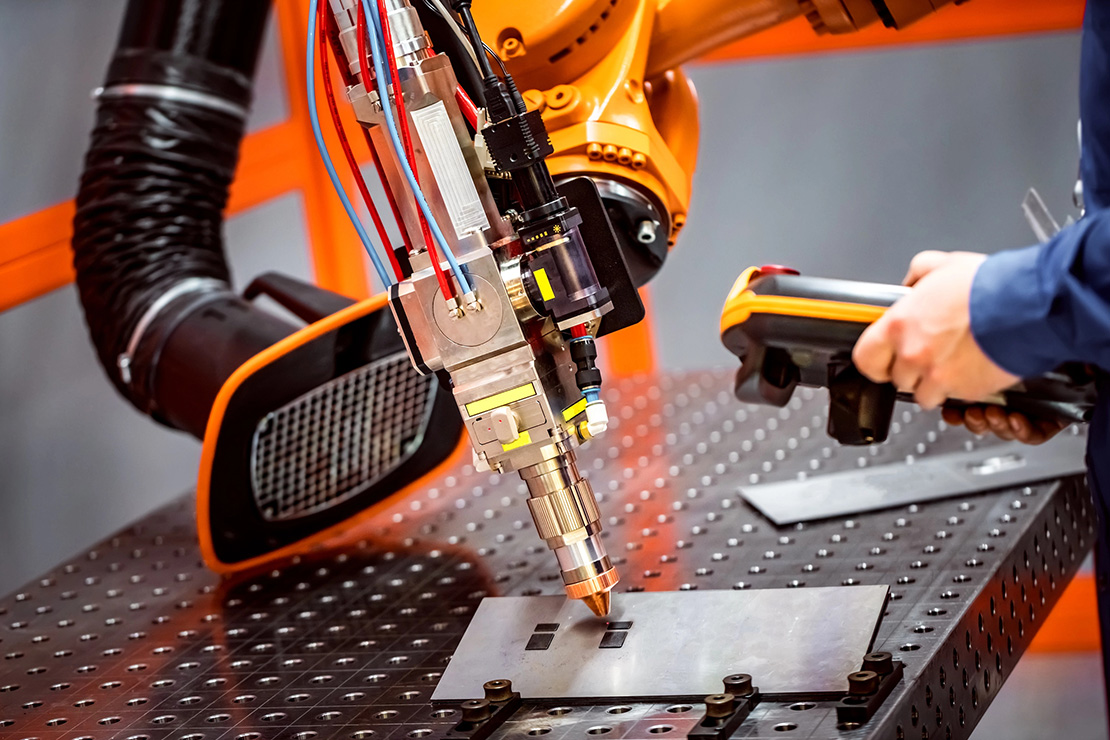
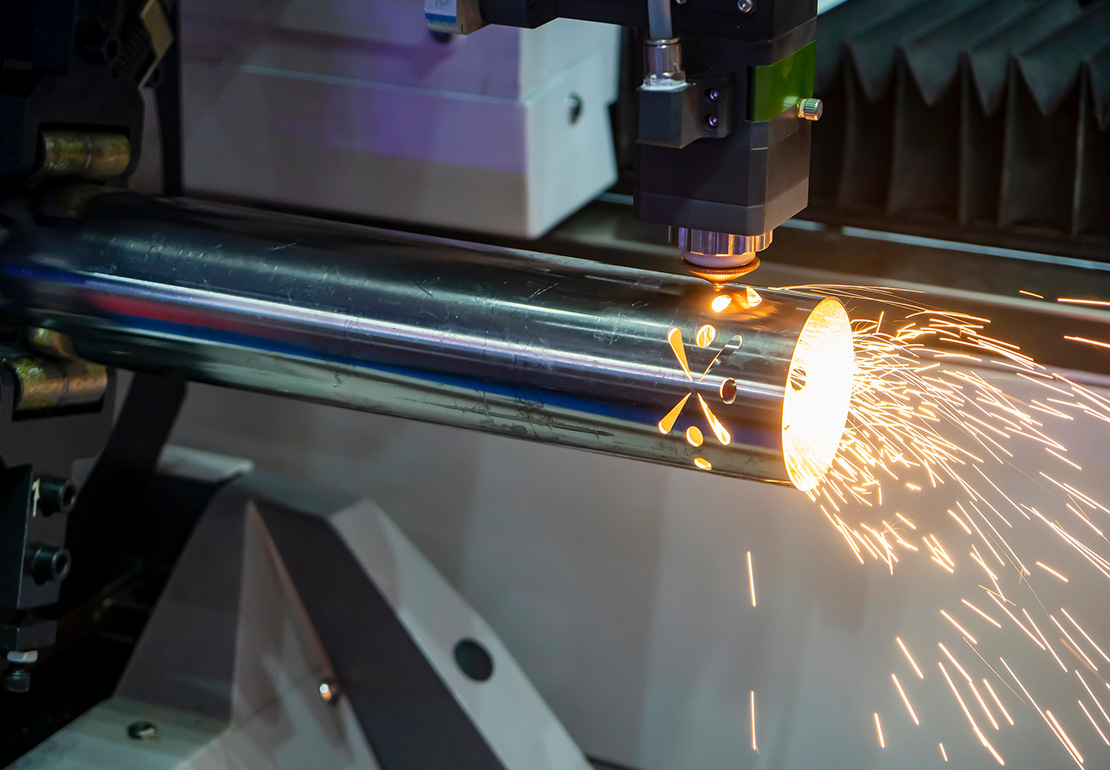
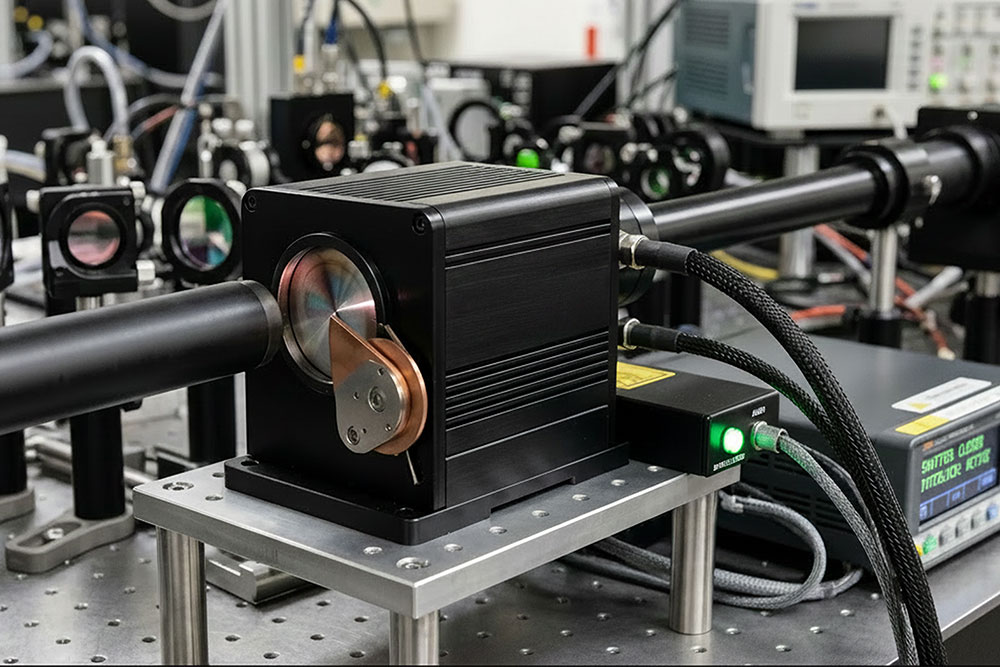
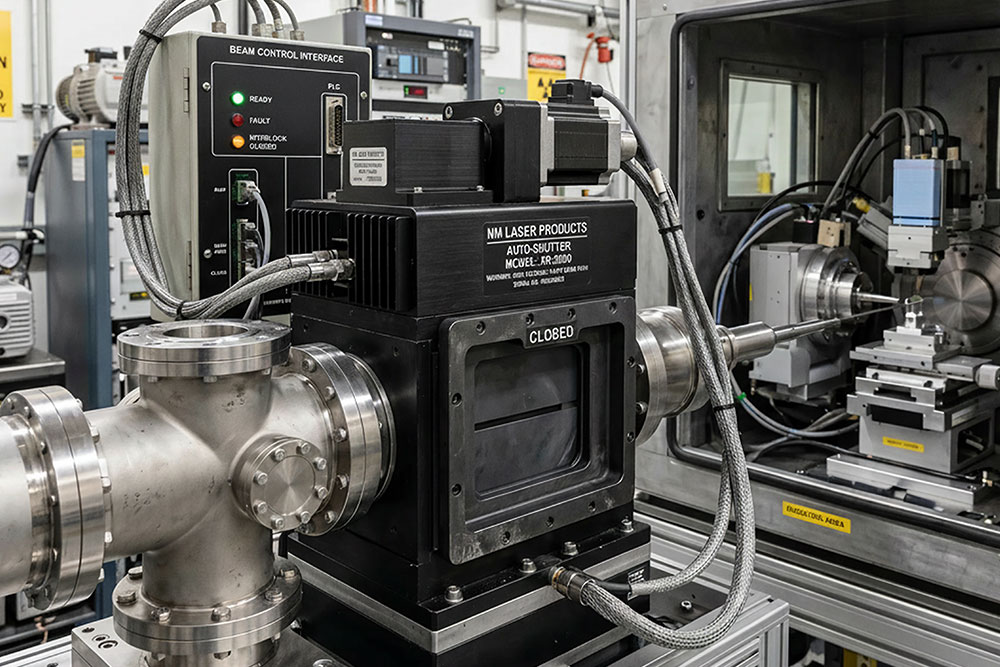
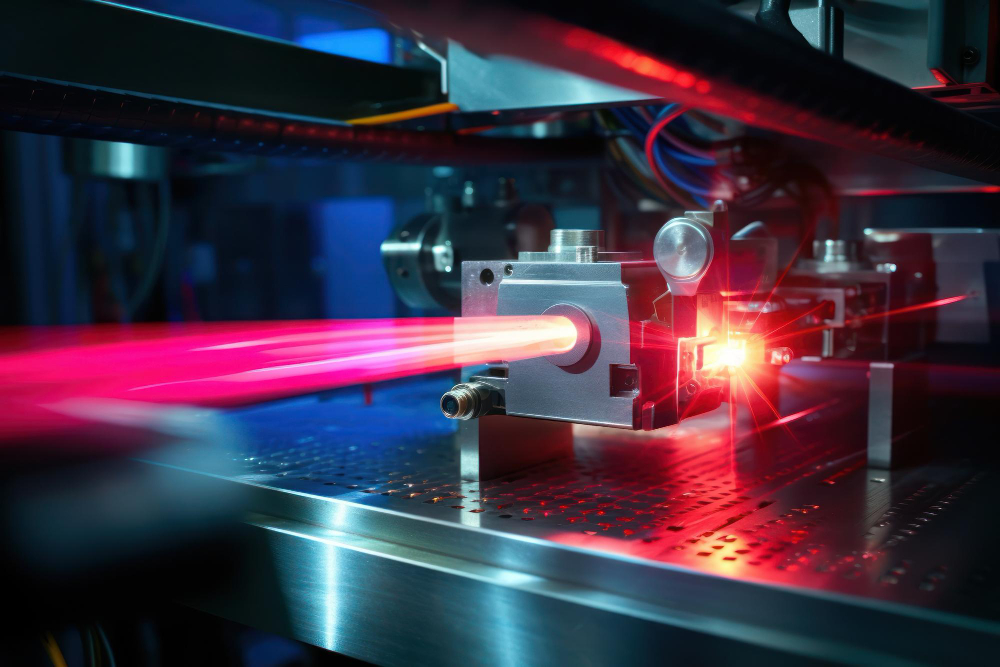
Quick Summary Aerospace manufacturers depend on precise beam control to protect optical systems during cutting, welding, drilling, and inspection. Laser shutters in aerospace engineering guard sensitive components from unplanned exposure, support repeatable results, and extend[…]
Read More
July 20, 2026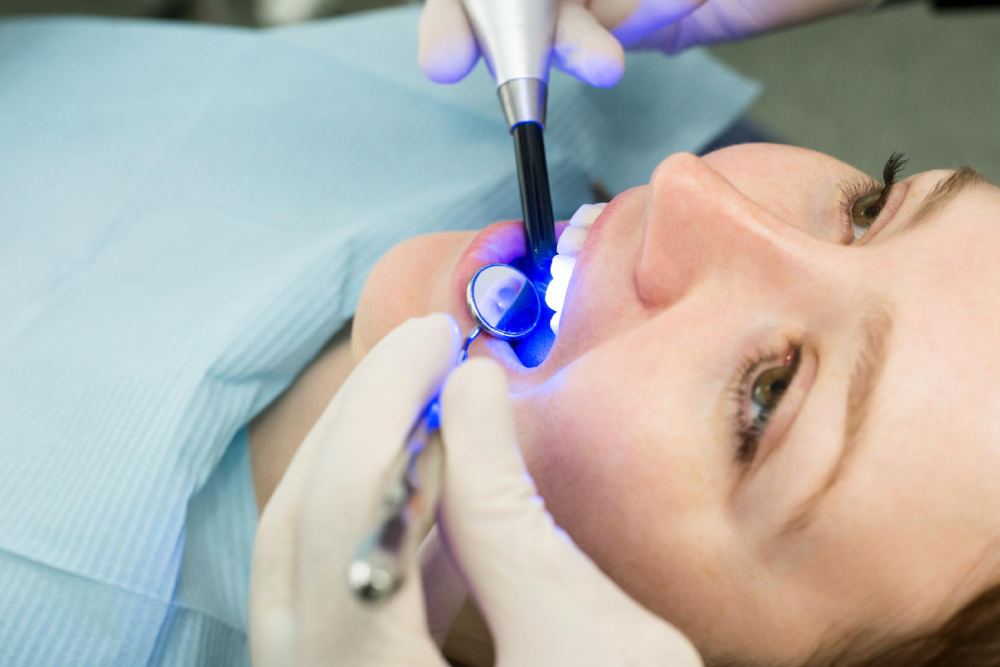
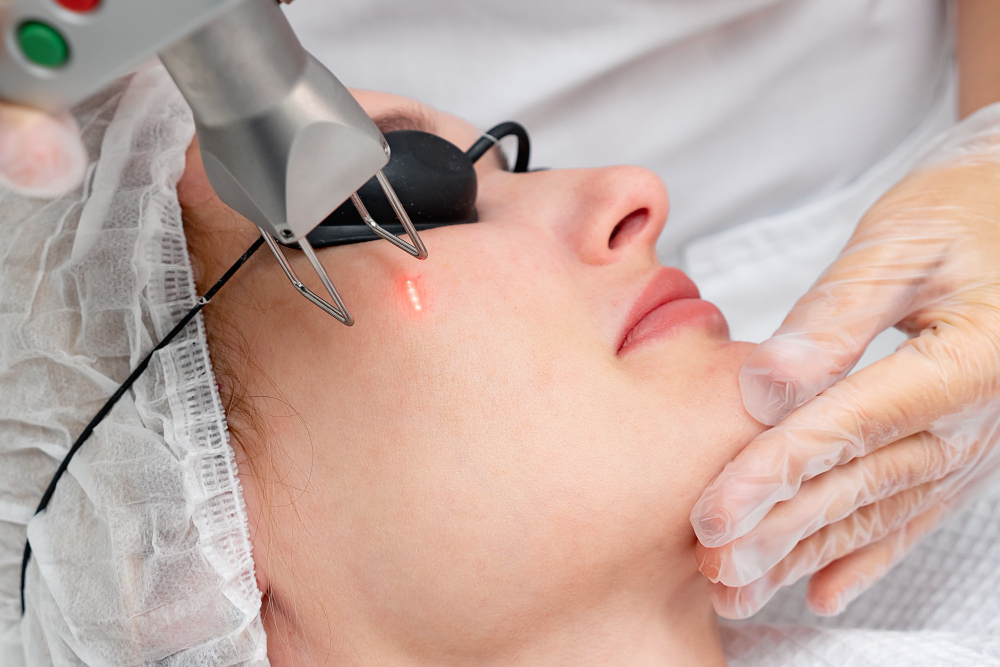
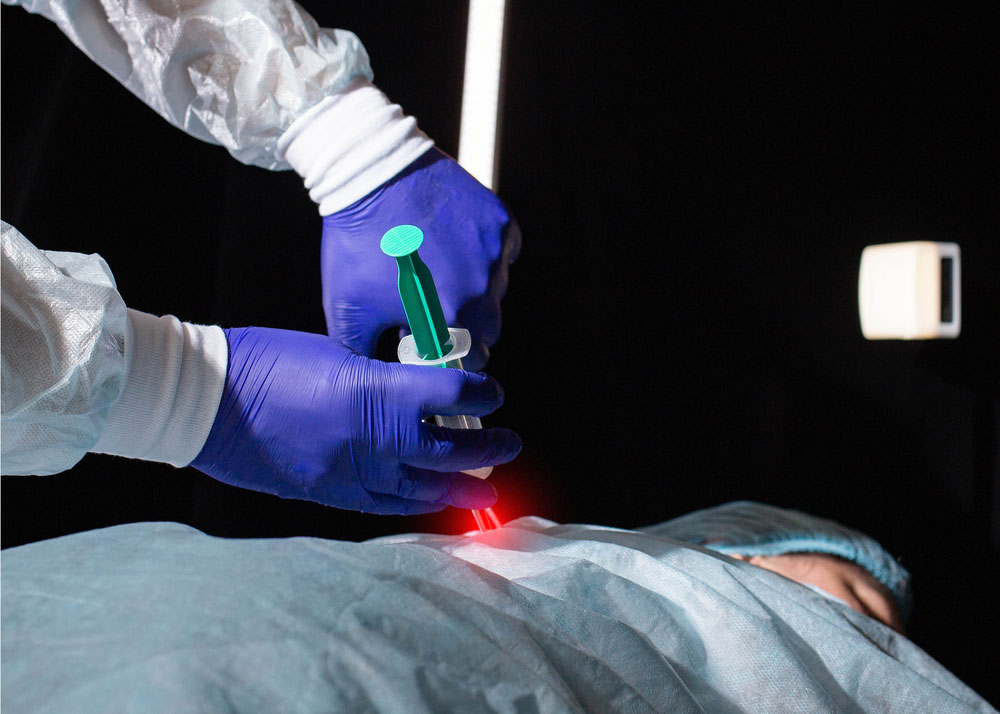
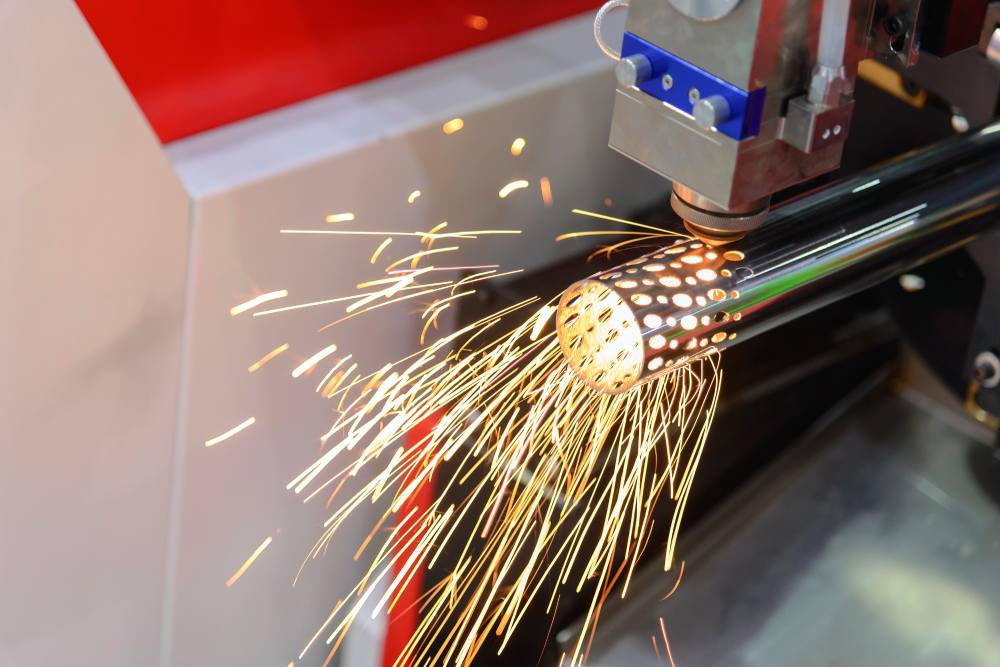
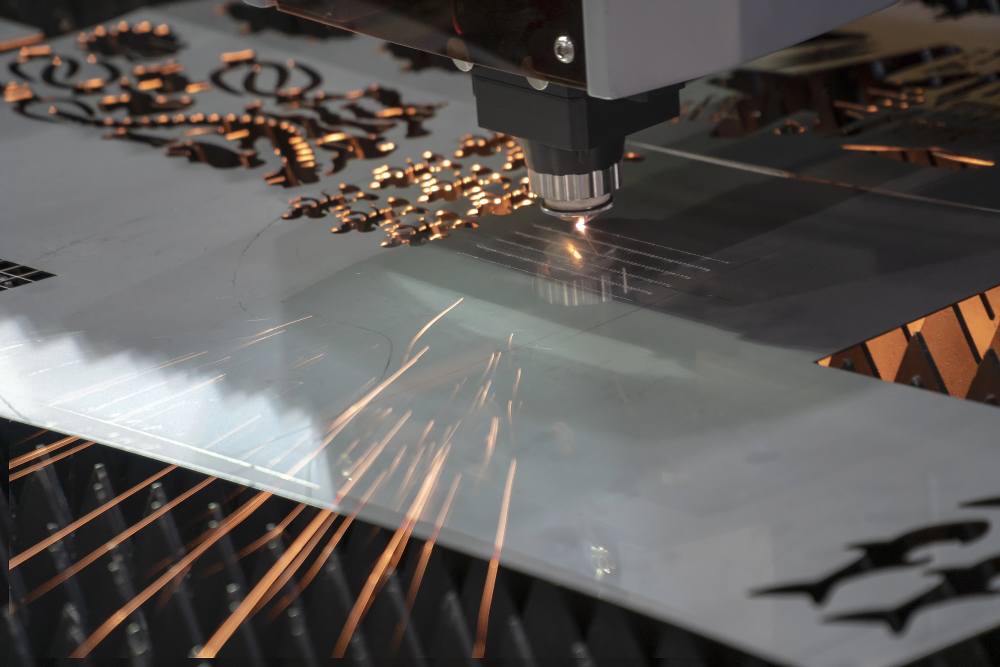
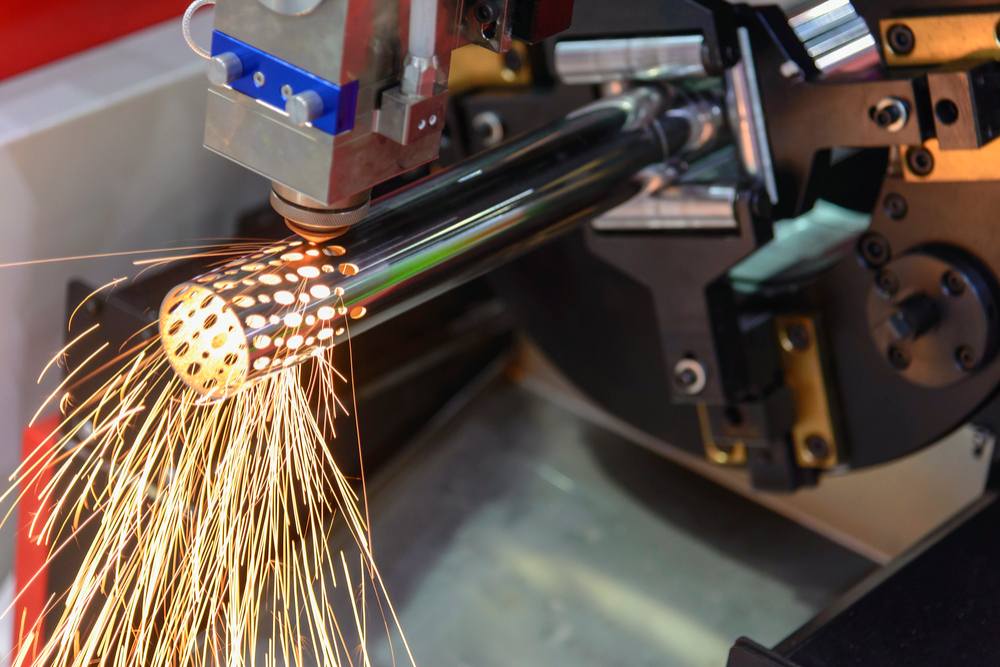
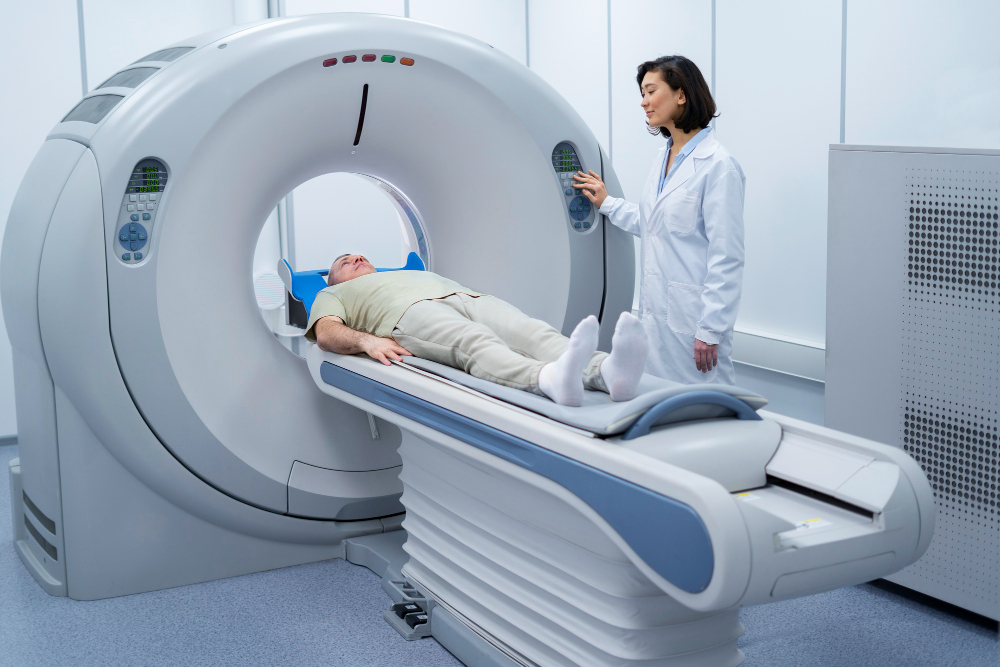
Erbium YAG Laser Vs. CO2 Laser: Which Is Better?
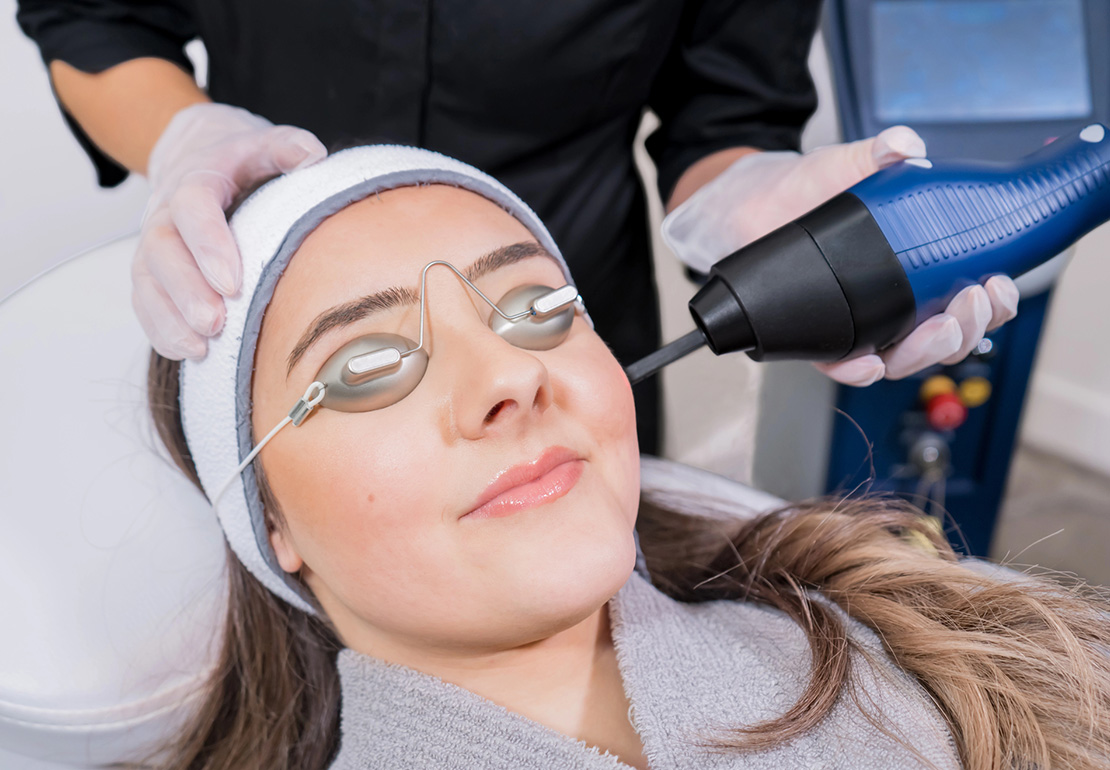
Quick Summary Erbium YAG lasers target water in the skin more aggressively than CO2 lasers, producing shallower ablation with a shorter recovery window, while CO2 systems reach deeper and add more thermal coagulation for tighter,[…]