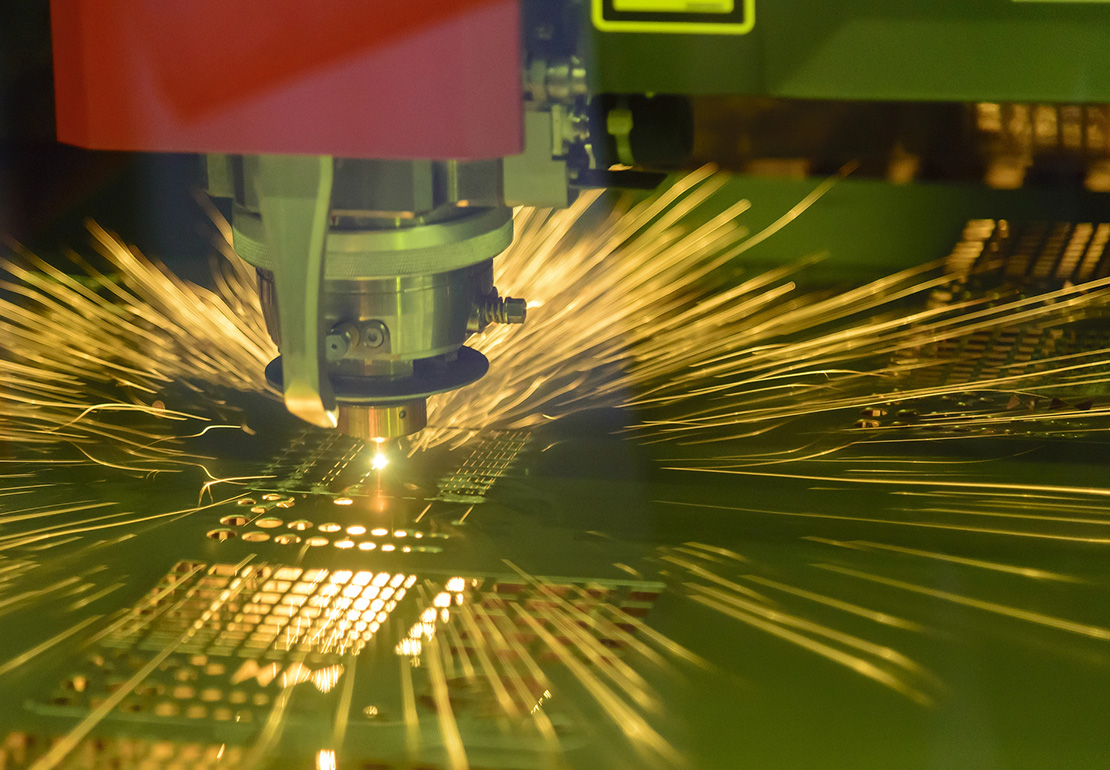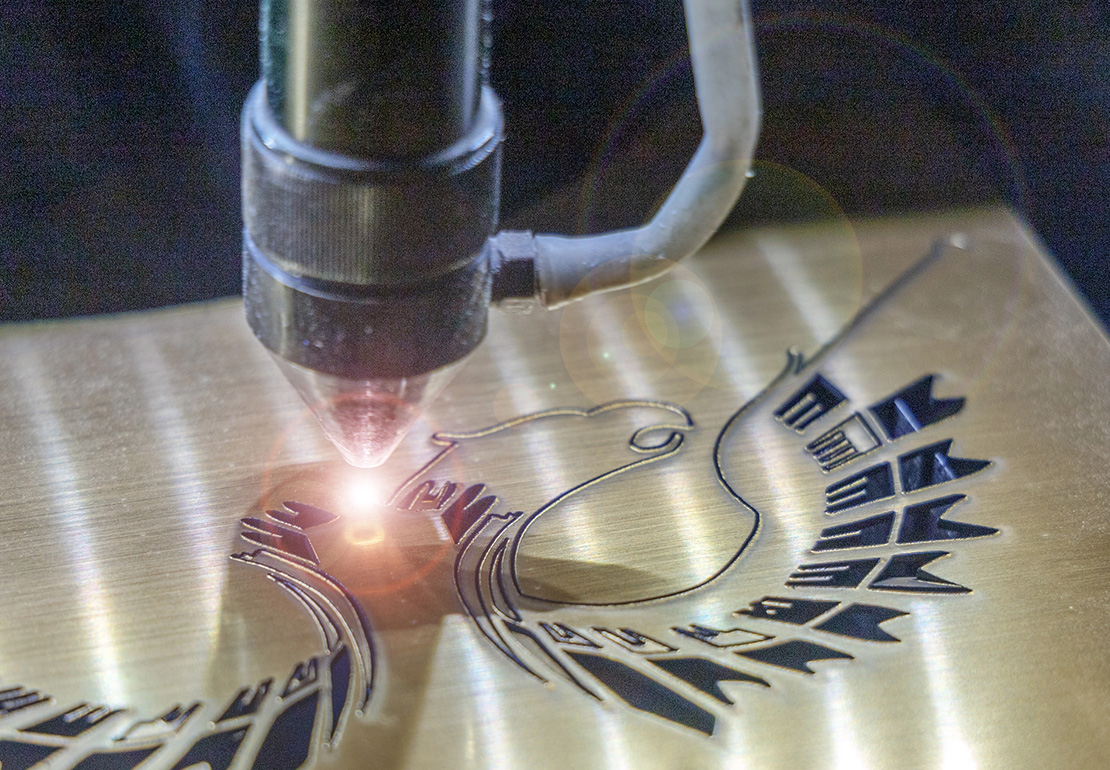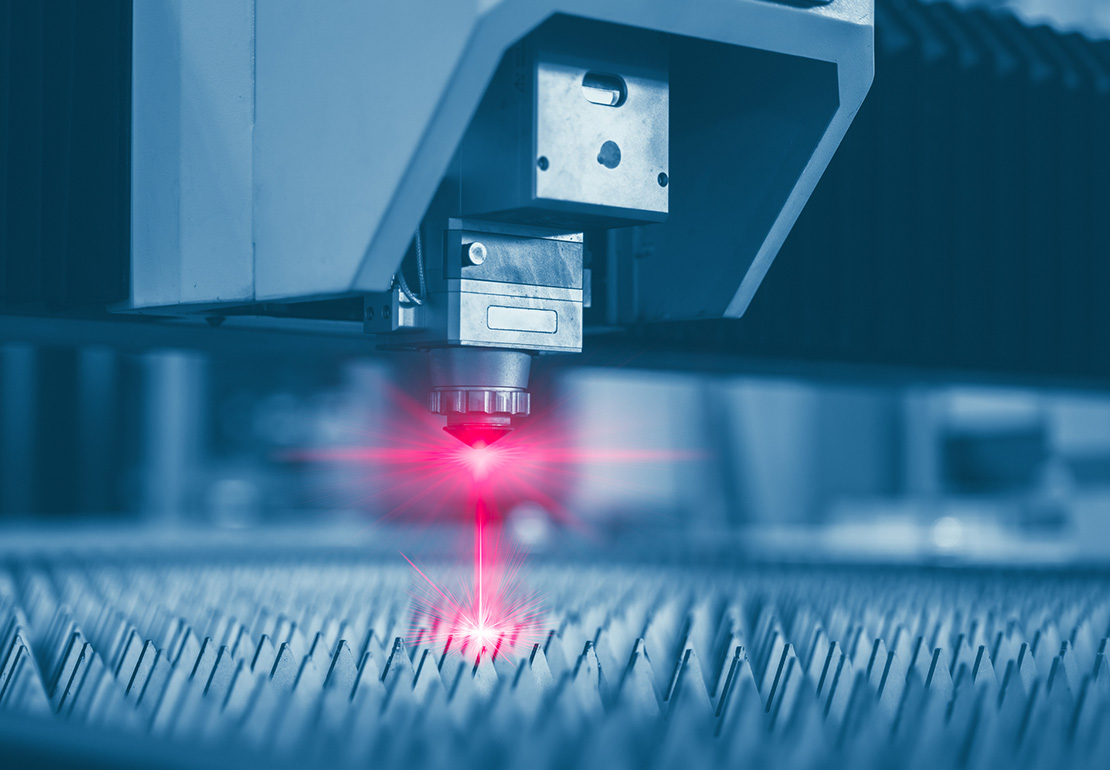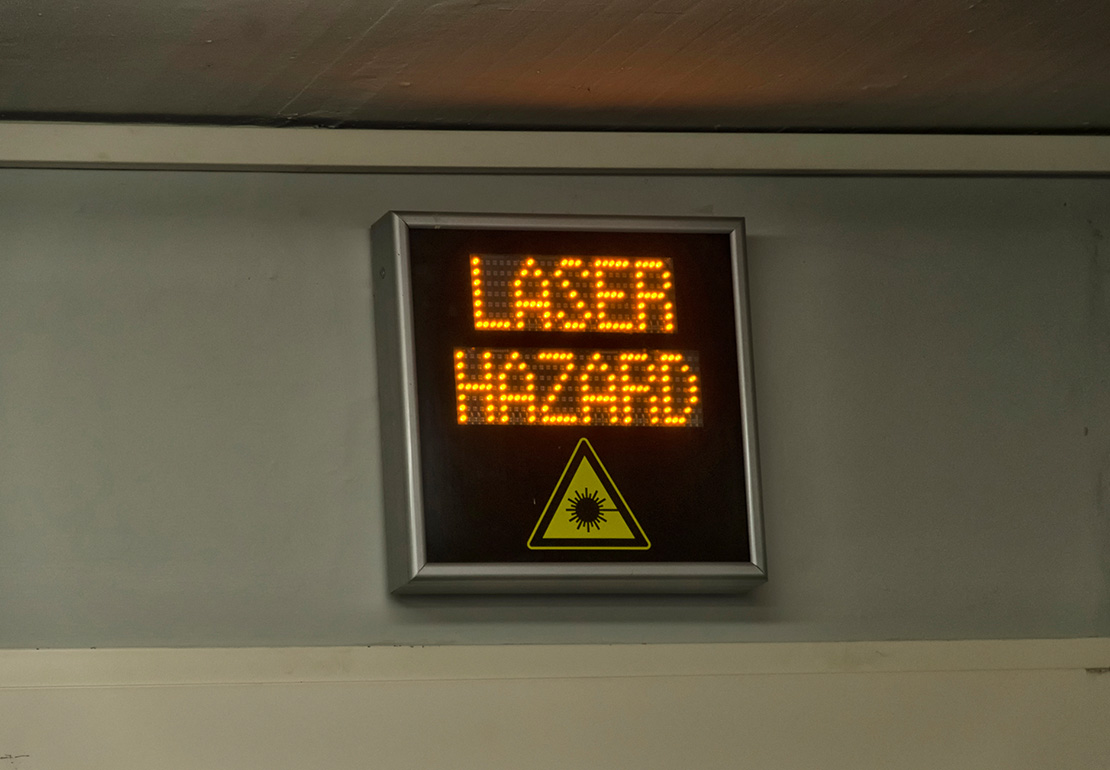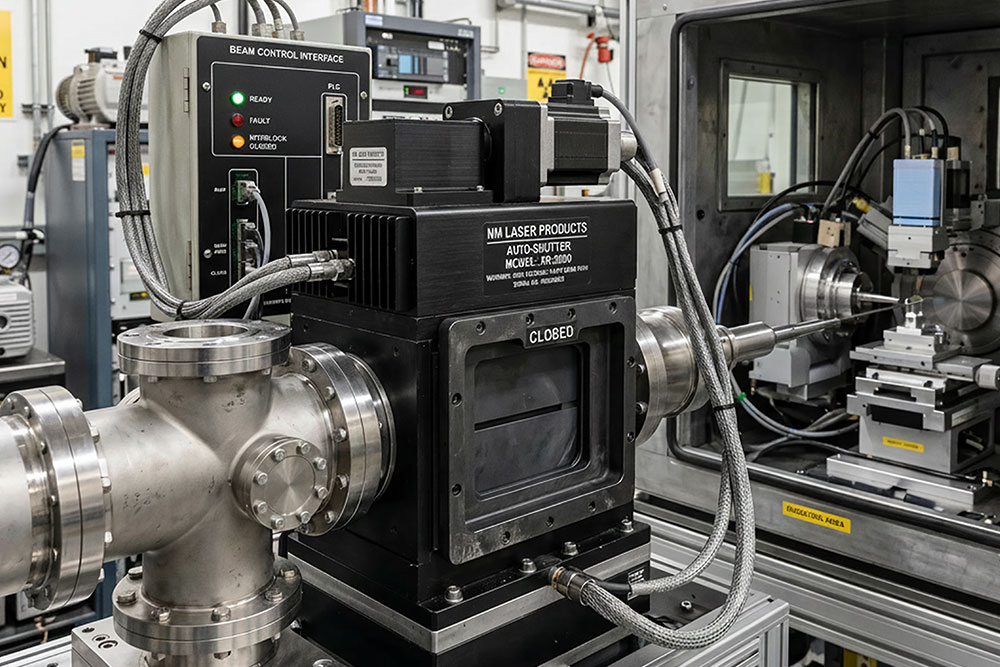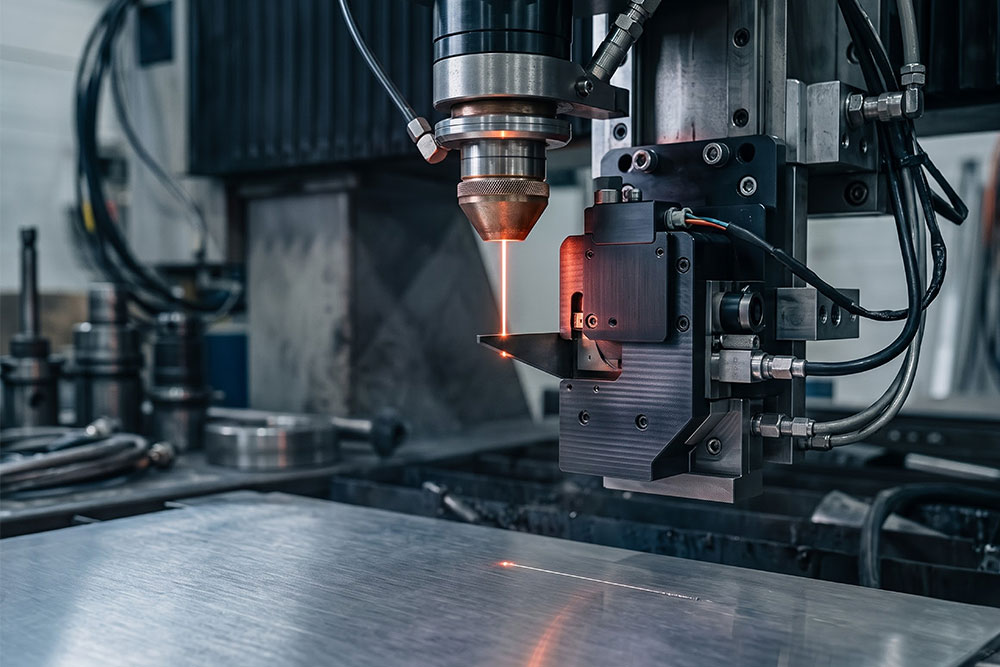
Laser Safety Enclosures: Requirements And What ...
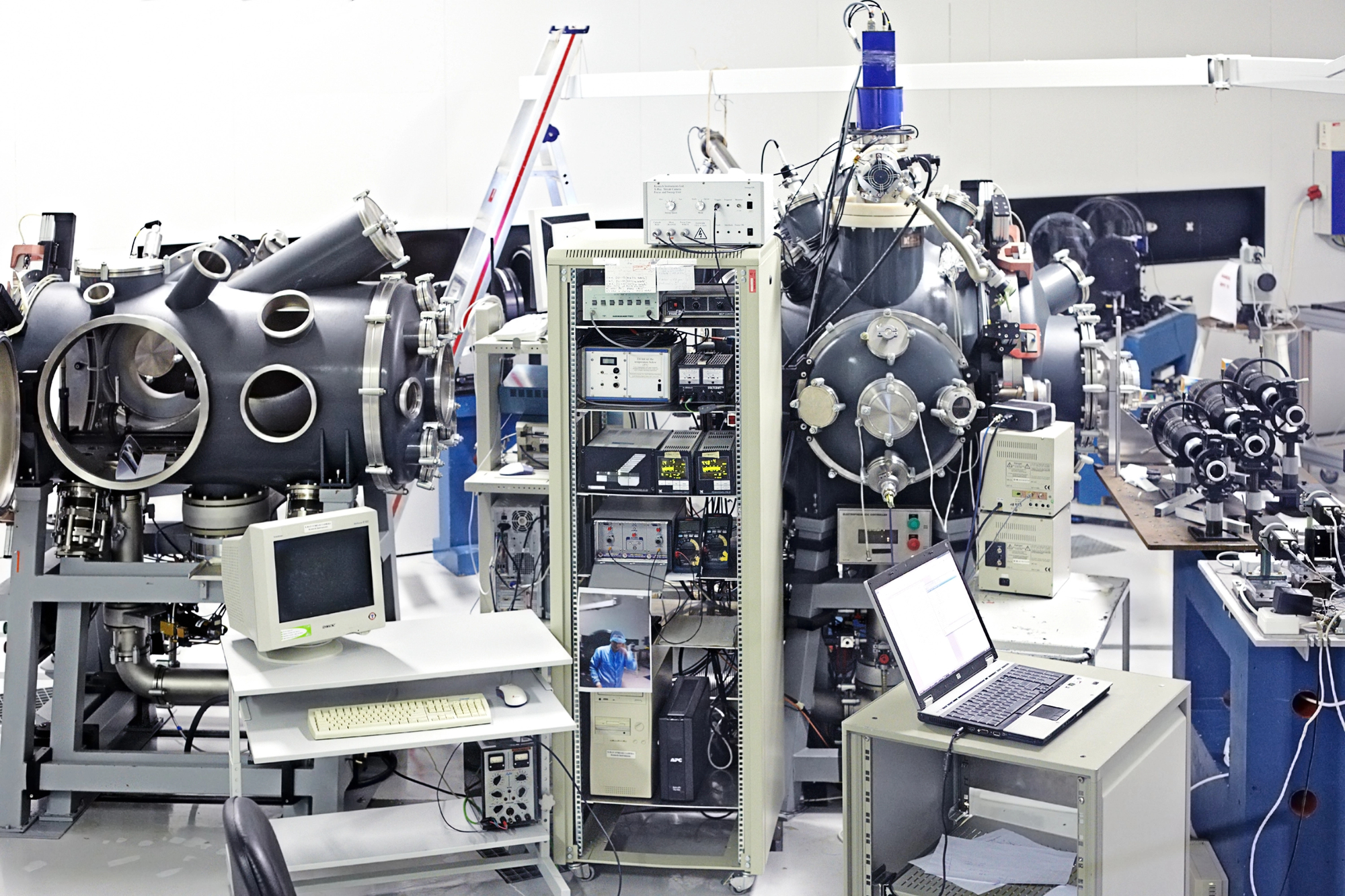
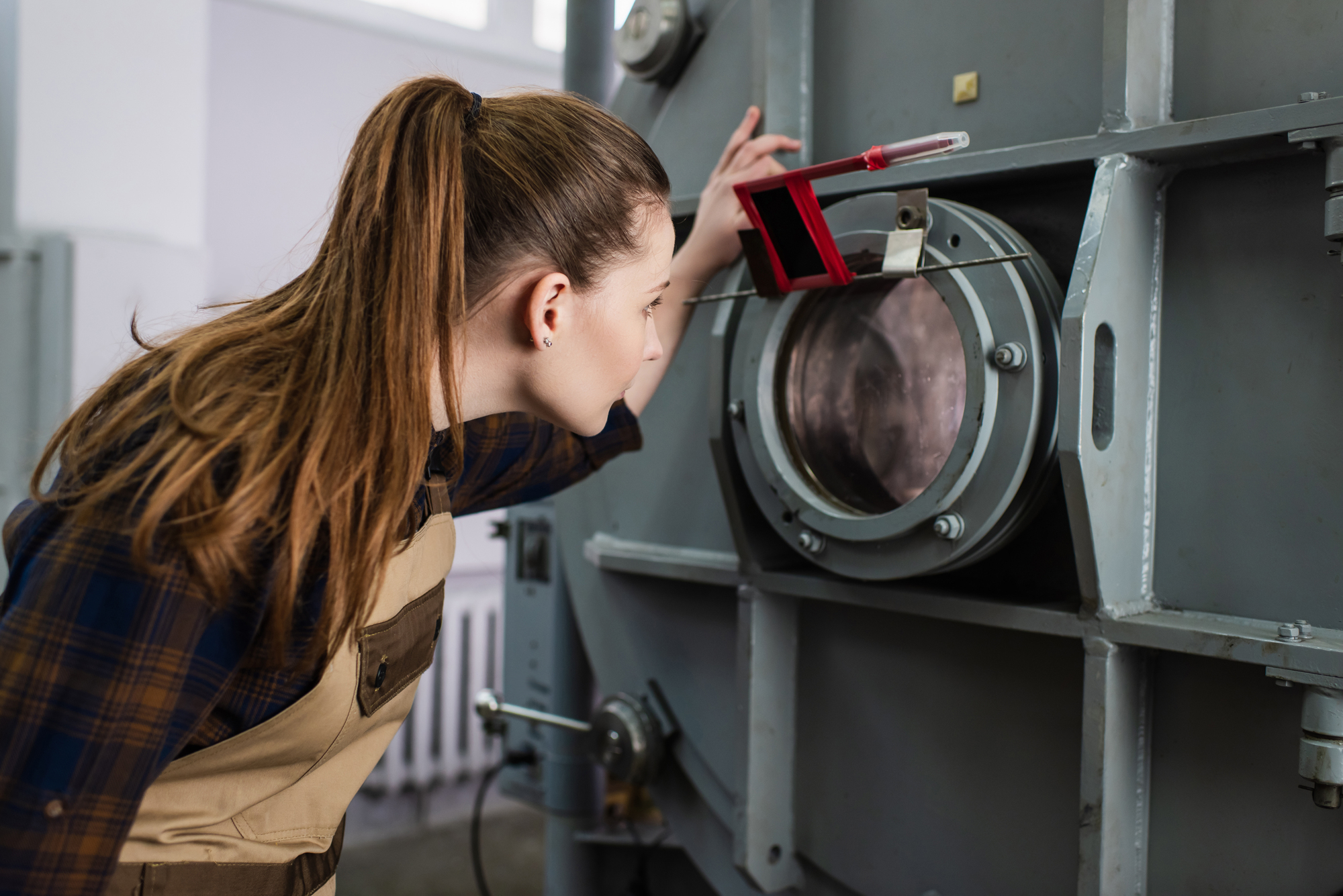
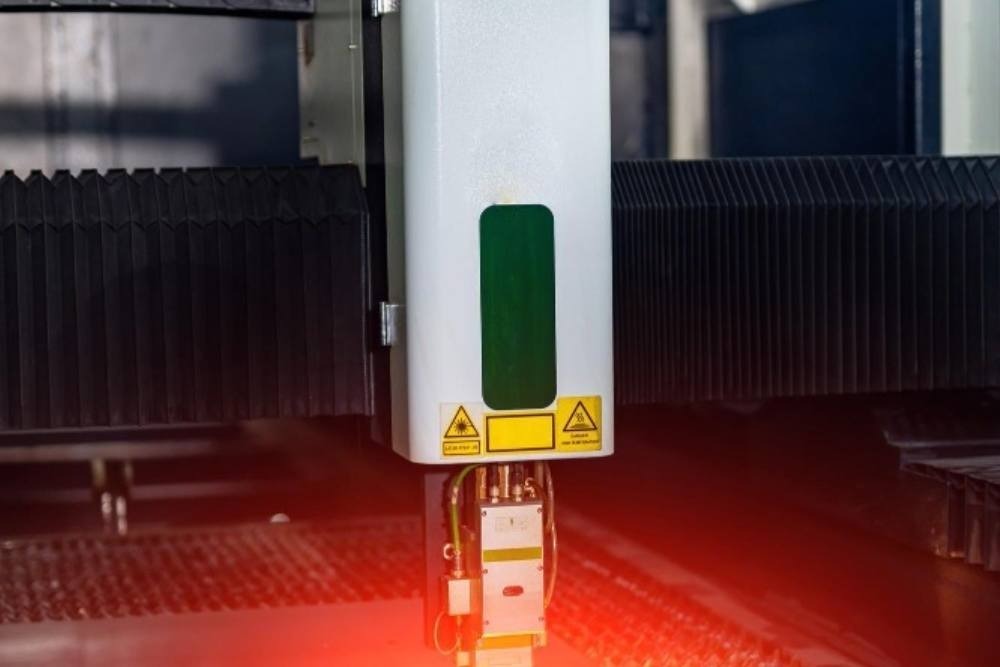
Quick Summary Enclosures serve as a central engineering control for laser systems, but their effectiveness depends on how well they work with interlocks, access controls, and beam-stopping devices. Facilities that approach enclosure design as a[…]
Read More
August 29, 2026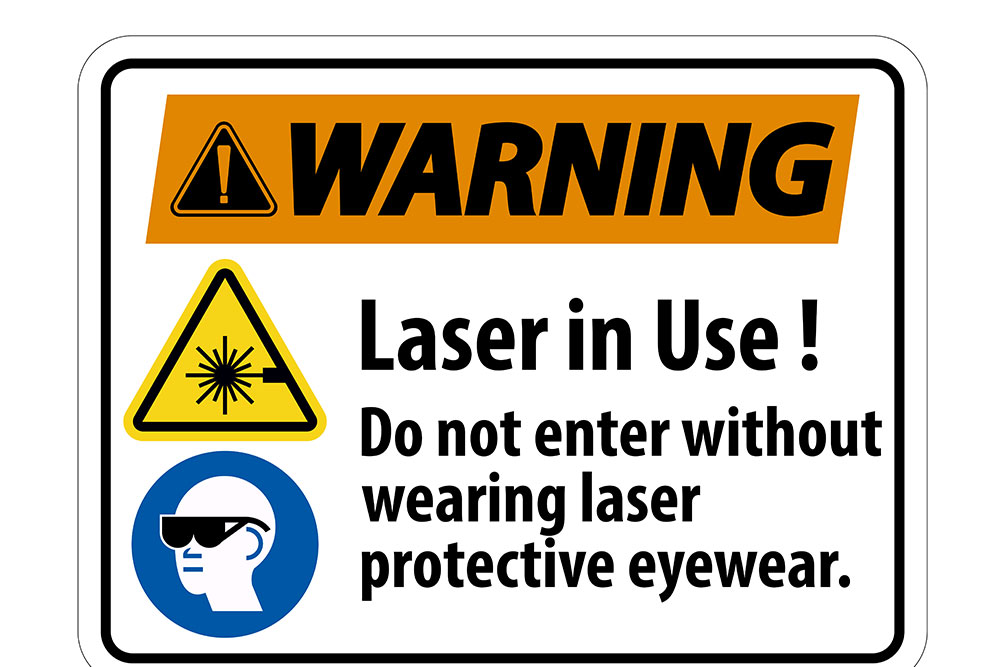
Essential Class 3R (IIIa) Laser Safety Information
Quick Summary Class 3R lasers present greater risks than their relatively modest power output might suggest. Optical density ratings play a critical role in determining which safety products can effectively prevent hazardous beam exposure from[…]
Read More
August 25, 2026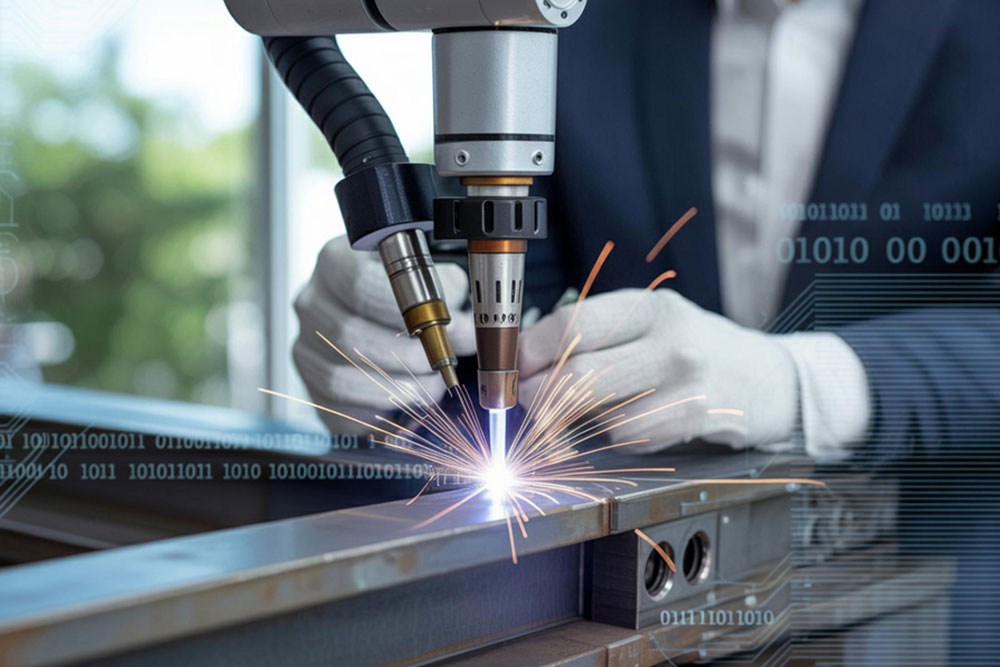
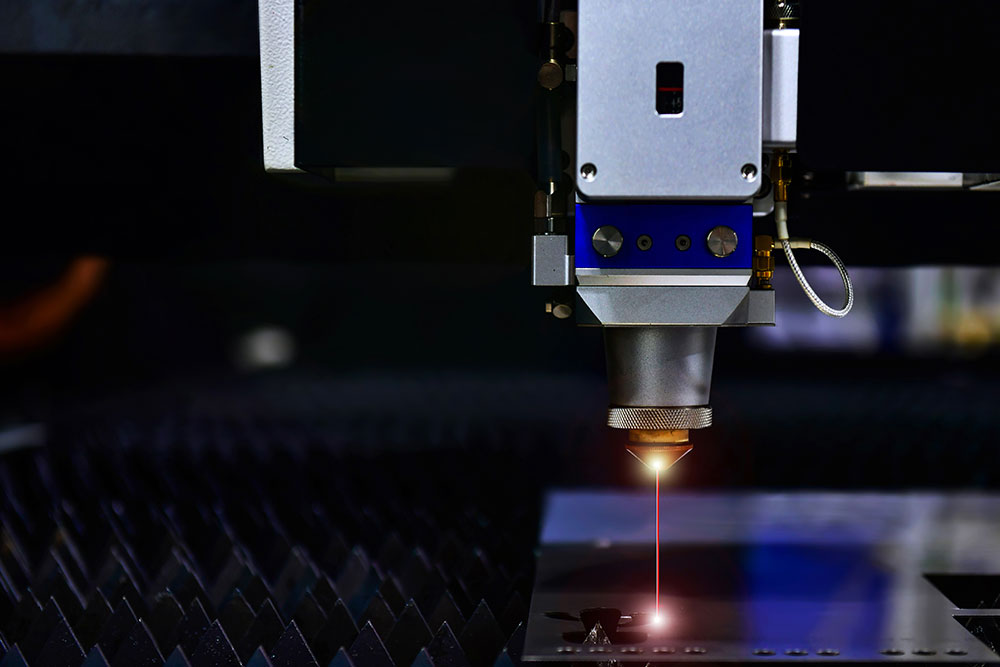
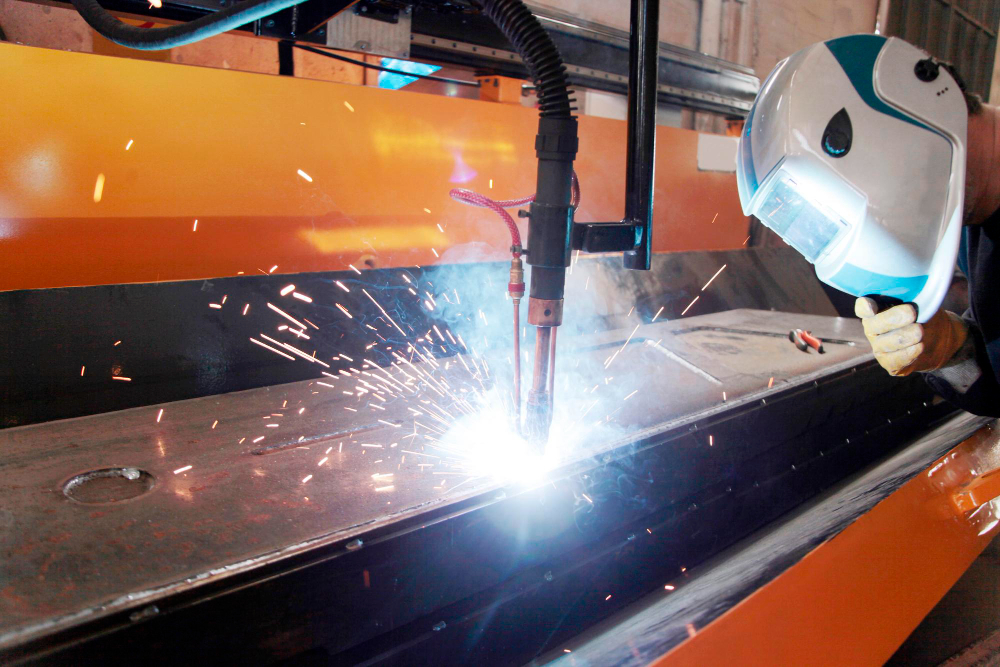
An Overview Of Laser Welding Safety Practices
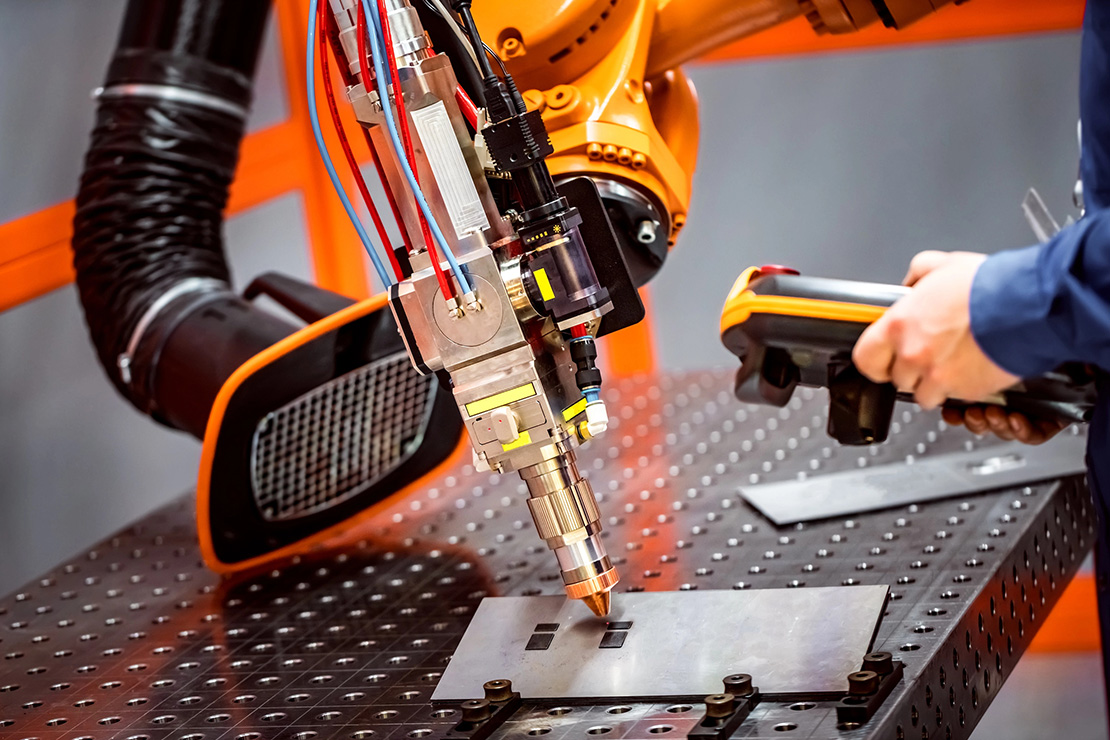
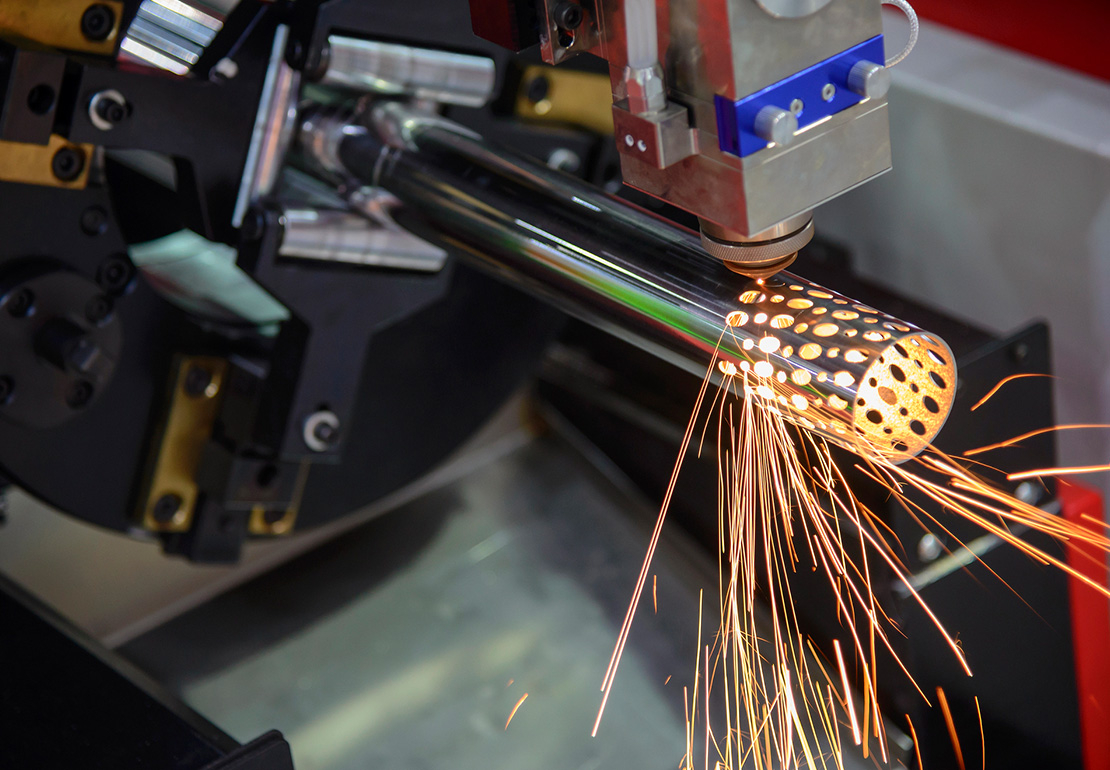
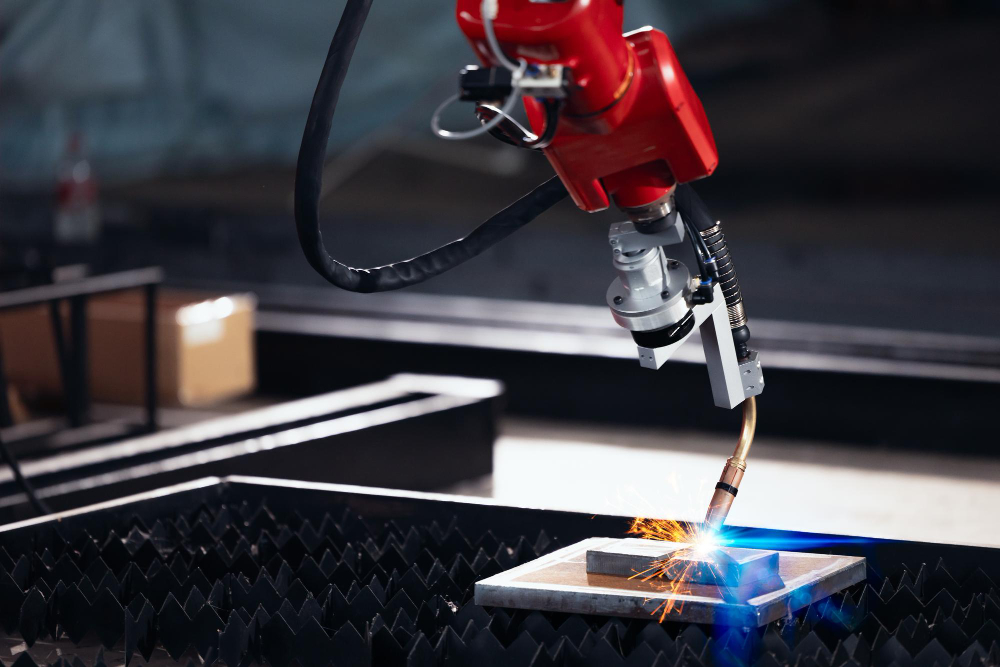
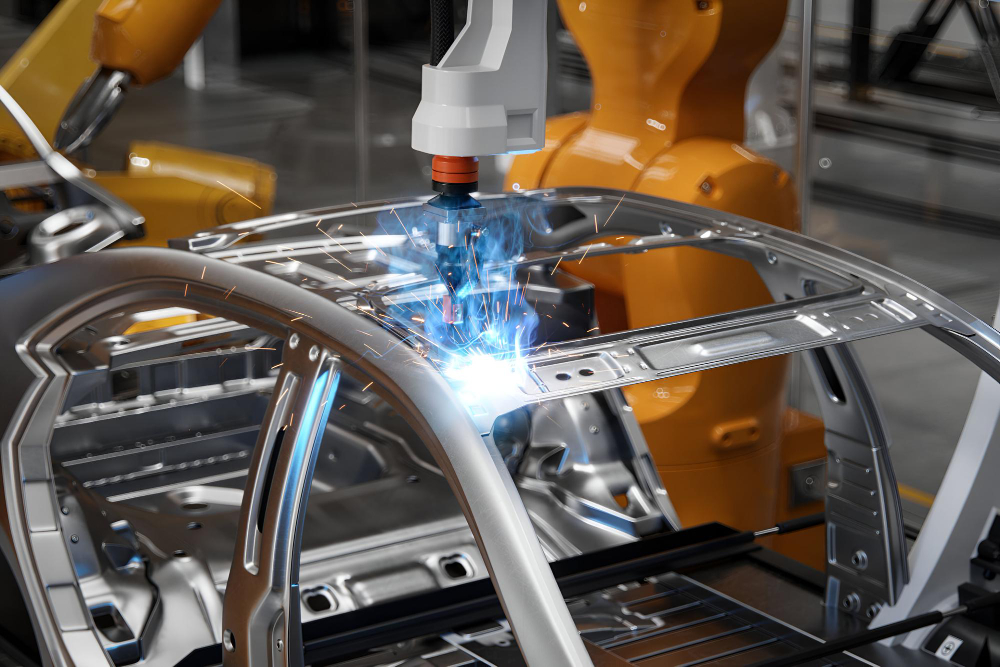
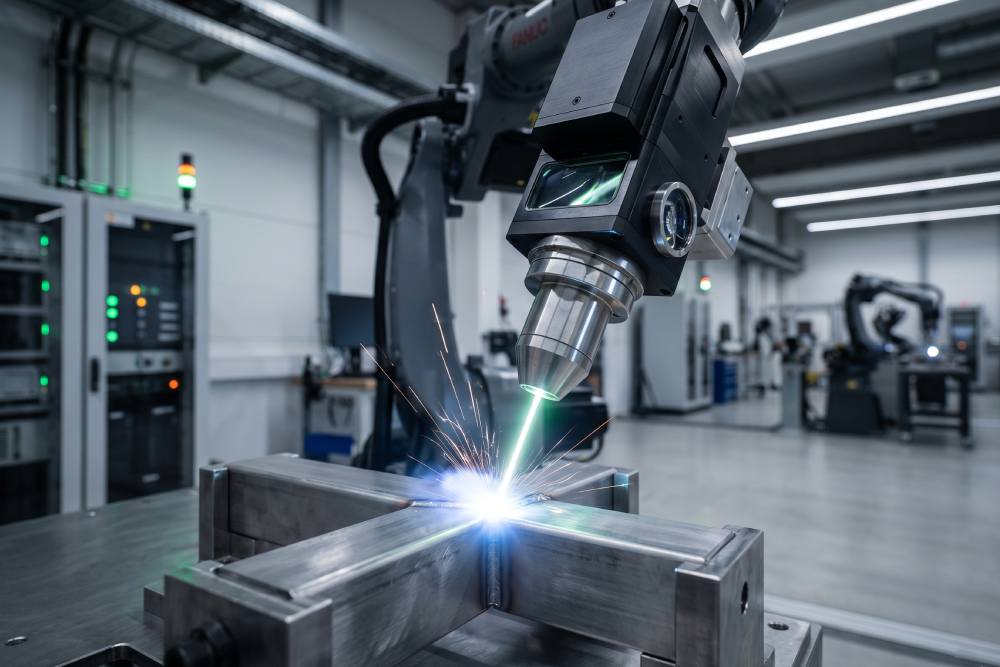
Quick Summary Laser welding introduces hazards that differ significantly from traditional welding methods. These include invisible infrared radiation, hazardous specular reflections, and fumes generated during processing. These risks require engineered controls and carefully planned procedures[…]
Read More
August 21, 2026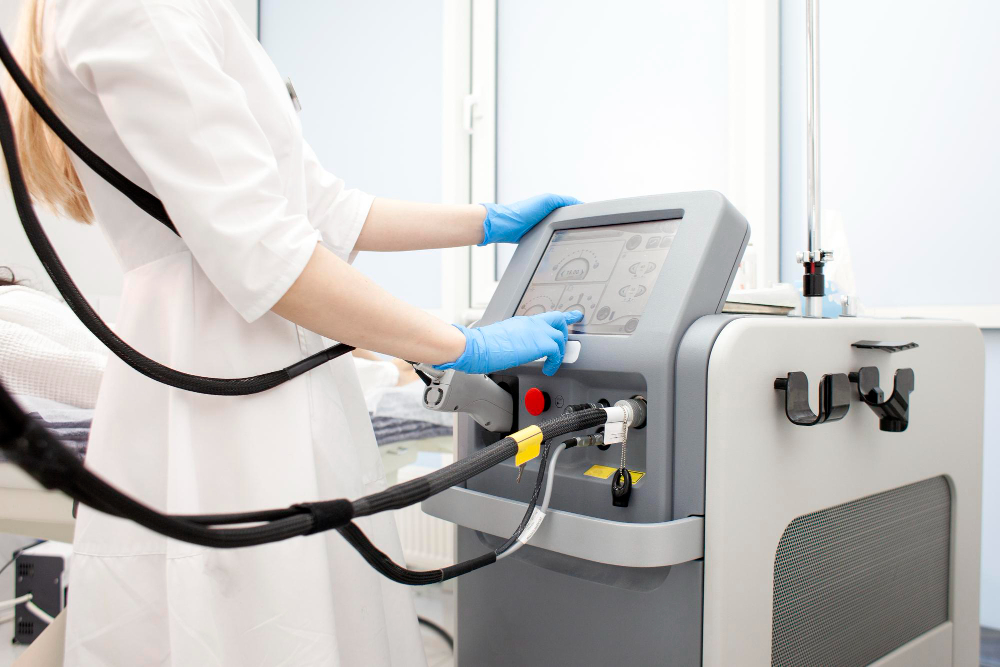
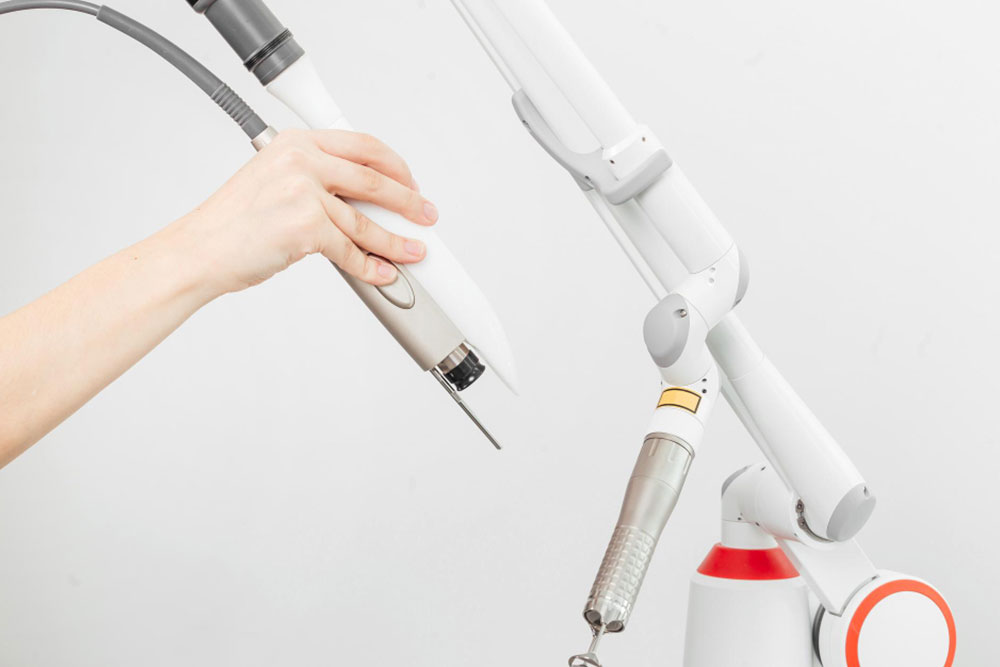
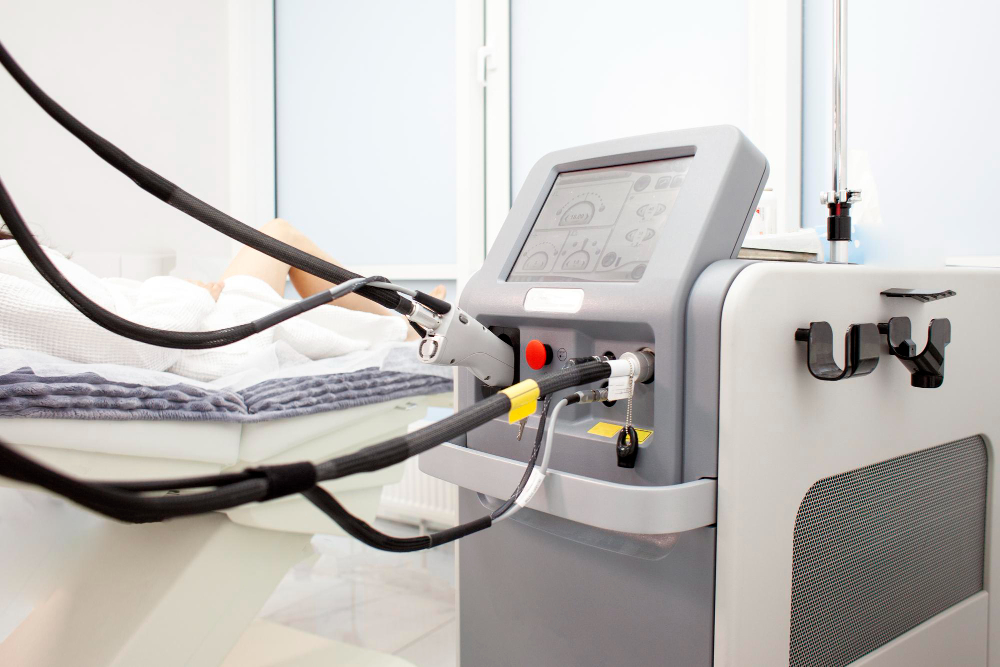
Alexandrite Vs. Nd:YAG Laser: 5 Key Differences...
Quick Summary Wavelength drives many of the practical differences between alexandrite and Nd:YAG lasers. It affects how each system interacts with a target material, how deeply energy penetrates, and what optical density a shutter needs[…]
Read More
August 17, 2026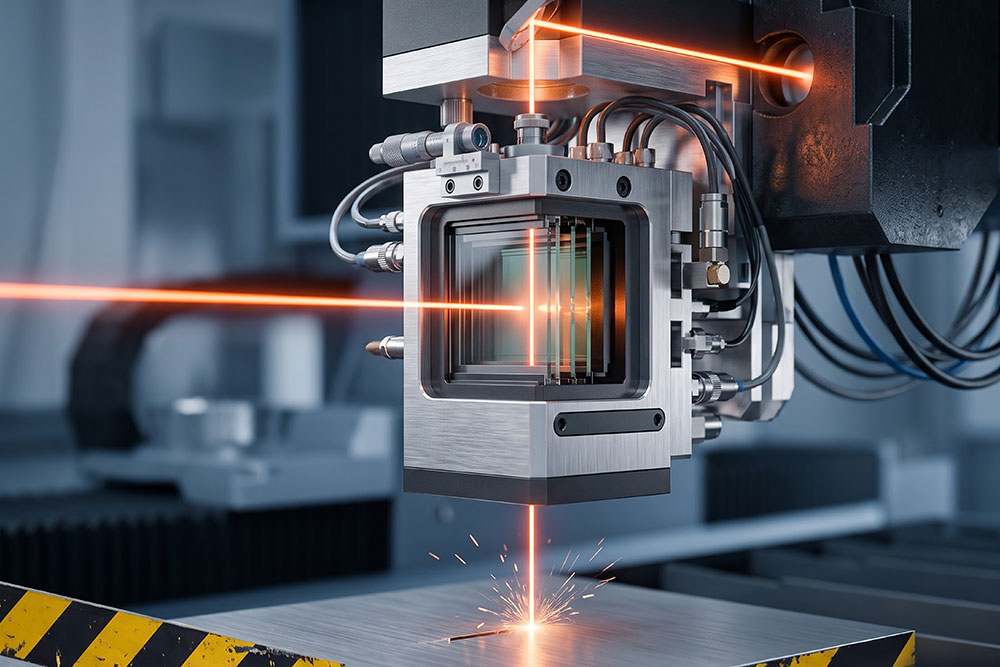
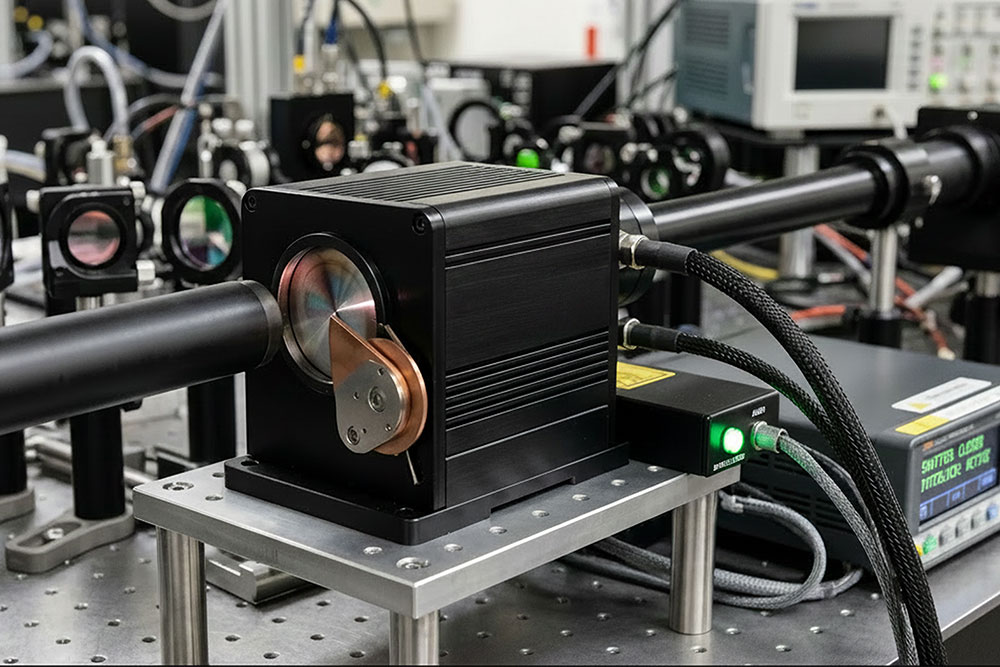
Why You Should Consider An LCD Optical Shutter
Quick Summary Liquid crystal shutters block and transmit light through an electronic polarization change rather than a moving blade, giving low-power optical systems a fast, vibration-free way to control a beam. For applications built around[…]
Read More
August 13, 2026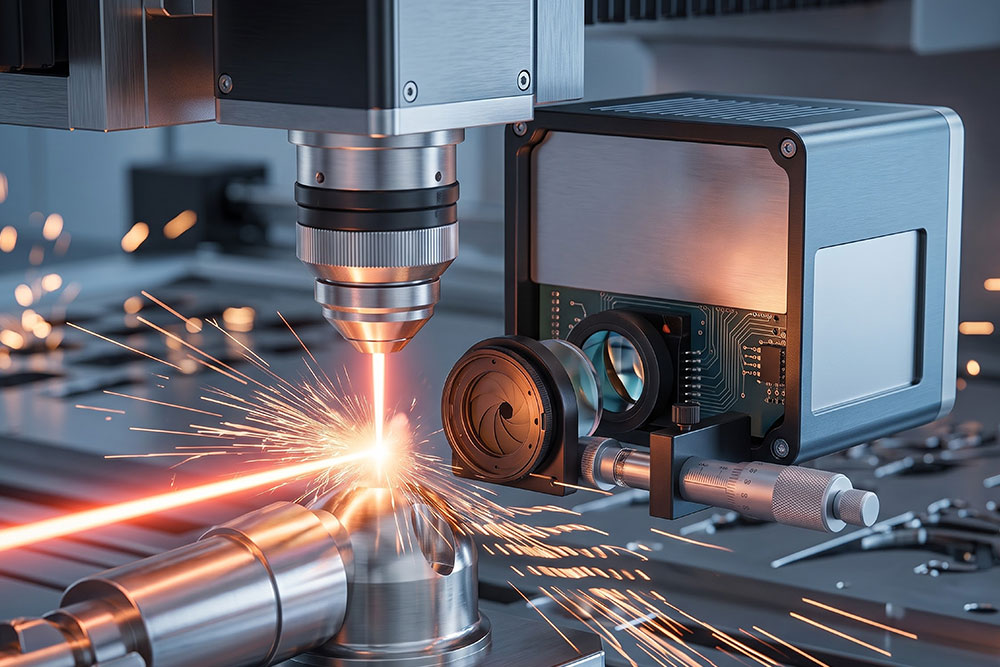
Understanding Electronic Shutters: Global Vs. R...
Quick Summary A shutter's closure behavior changes how evenly a beam gets blocked across its full aperture. Electronically triggered shutters that close the entire beam path at once behave differently from designs that sweep progressively[…]