High-Energy Pulsed Laser Shutters: Uses And Benefits
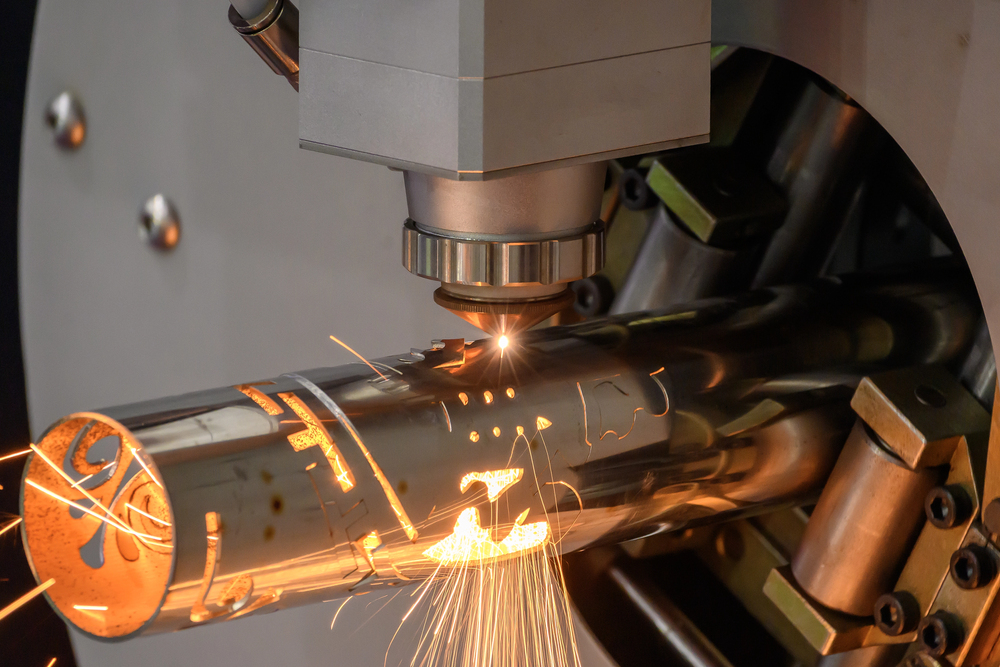
Modern laser systems operate at energy levels where timing mistakes or uncontrolled exposure can damage equipment in a fraction of a second. In pulsed laser environments, energy is released in short, powerful bursts that demand strict control. A high-energy pulsed laser shutter offers control through a physical, mechanical barrier that governs when laser energy reaches the optical path.
This topic is central to many advanced laser platforms used in scientific research, industrial processing, medical systems, and testing environments. At NM Laser Products, our work has focused on these systems for decades. This experience offers insight into how pulsed shutters contribute to safety, repeatability, and long-term system performance.
Understanding High-Energy Pulsed Laser Shutter Functionality
Pulsed lasers behave very differently from continuous-wave systems. Instead of a steady beam, they deliver concentrated energy in short intervals that can range from fractions of a joule to several joules per pulse. These pulses arrive quickly and leave little margin for error.
Mechanical shuttering introduces a layer of control that electronic timing alone cannot replace. A shutter physically blocks or passes the beam according to a defined sequence. This matters during alignment, calibration, detector protection, or fault conditions.
Key functional roles include:
- Blocking laser output between pulses or test cycles
- Protecting optics and sensors from unintended exposure
- Isolating specific pulses for measurement or processing
- Acting as a safety element independent of software timing
Where Pulsed Laser Shutters Are Used
High-energy pulsed shutters appear across a wide range of technical fields. Their value grows as pulse energy increases and system complexity expands.
Scientific Research
Research laboratories rely on pulsed lasers for applications such as pump-probe experiments, laser-plasma interaction studies, and time-resolved spectroscopy. Shutters isolate individual pulses, protect detectors during setup, and allow controlled exposure during tightly timed experiments.
Industrial Processing
Micromachining, marking, and surface treatment often use pulsed lasers to deliver controlled energy to materials. Shutters block the beam during alignment or when motion systems pause. In capital equipment, this physical interruption reduces the risk of accidental exposure during maintenance or system faults.
Medical and Biomedical Systems
Pulsed lasers used in therapeutic and diagnostic platforms require strict exposure control. Mechanical shutters limit laser delivery to defined intervals. They add a hardware safeguard that operates independently of user input or software states.
Defense and Aerospace Testing
High-energy pulsed lasers used in sensing, materials testing, and component evaluation require components that tolerate vibration, heat, and repeated cycling. Shutters help protect instrumentation during non-active periods or unexpected events.
Key Benefits Delivered Through Mechanical Shuttering
Pulsed laser systems place unusual stress on components. Shutters designed for these environments offer benefits beyond simple beam blocking.
- Precise Exposure Control
Shutters define exactly when laser energy reaches the target. This precision improves repeatability in experiments, manufacturing processes, and diagnostic routines.
- Protection of Optics and Sensors
High peak power can degrade lenses, mirrors, and detectors. Shutters create a physical barrier during alignment, standby modes, or fault conditions, reducing cumulative damage.
- Improved System Safety
In pulsed environments, a single unintended pulse can pose a serious hazard. Mechanical shutters respond immediately to control signals or interlocks without relying on operator reaction time.
- Compatibility with Harsh Conditions
Well-designed shutters tolerate vibration, thermal loading, and high cycle counts. This reliability matters in systems that operate continuously or at high repetition rates.
Long-Term Value Across Applications
Reliable shuttering reduces downtime, protects expensive optics, and maintains consistent results. Manufacturing systems see fewer defects tied to stray exposure. Research platforms preserve detector integrity over longer experiment cycles. Medical and testing environments gain an added layer of physical control that complements electronic safeguards.
Across these use cases, shutters contribute quietly but consistently to system stability. Their role becomes most visible when something goes wrong, and the beam stays blocked exactly as intended.
Integration Within Complex Laser Systems
Modern pulsed laser platforms often coordinate shutters with detectors, motion stages, triggers, and safety interlocks. Mechanical shutters integrate cleanly into these workflows, offering a physical reference point within a system dominated by electronic timing.
In many cases, shutters serve multiple roles:
- Safety isolation during setup
- Pulse selection during measurement
- Equipment protection during faults
- Exposure control during processing
A broader range of laser shutters and optical beam shutters allows system designers to select configurations that match specific optical layouts, power levels, and mechanical constraints.
Bringing Control and Safety to Pulsed Laser Systems
At NM Laser Products, our shutter designs reflect decades of work with laser and optical systems for high-energy operation. Development begins with real-world application requirements rather than generic assumptions.
Customization remains a practical necessity in many pulsed systems. Mounting constraints, aperture sizing, and timing requirements often vary from one platform to another. Our approach focuses on delivering shutters that integrate smoothly into complex assemblies without introducing unnecessary complexity.
To discuss how our shutter solutions fit into your laser or optical system, reach out to explore the right approach for your application.
Related Blogs
Understanding OD (Optical Density) In Laser Safety Protocols
Quick Summary Optical density ratings determine whether a piece of...
Read more
Understanding Long-Pulsed Nd:YAG Laser Technology
Quick Summary Pulse duration significantly influences how a laser ...
Read more
Nd:YAG Lasers Explained: How They Work And Their Practical Uses
Quick Summary This type of laser combines a neodymium-doped crysta...
Read more