How Laser Shutters Advance Precision In Biomedicine Research

The use of laser shutters in biomedicine research helps scientists control high-energy light with accuracy, strengthening experimental outcomes and protecting sensitive samples. Shutters regulate exposure time, beam direction, and intensity, which supports precision in imaging, cell manipulation, and spectroscopy.
Laboratories depend on shutters that deliver repeatable motion and predictable operation as they manage complex biomedical applications across multiple wavelengths.
Controlling Beam Exposure
Laser systems in biomedical research require precise control over when and where energy interacts with samples. A custom laser shutter can open and close quickly, allowing exact amounts of light to reach a target.
This precision is needed in experiments involving live cells, fluorescent markers, or tissue samples, where even small deviations in exposure can affect results or compromise safety.
UV laser shutters are frequently used for tasks that require short-wavelength light. Ultraviolet exposure can interact with DNA, proteins, and other molecular structures, so careful timing helps researchers study biological effects without damaging surrounding areas.
Supporting High-Resolution Imaging
Modern biomedical imaging relies on stable beam delivery. High-speed shutters prevent unwanted light from interfering with imaging sensors or detectors.
An X-ray laser shutter can regulate extremely short-wavelength beams used in high-resolution imaging or advanced radiography experiments. This control allows researchers to capture clear images while protecting equipment and samples from stray radiation.
Optical stability also influences data accuracy. Shutters that move predictably reduce vibrations that could distort measurements. Laser shutters and optical beam shutters maintain repeatable cycles and support precise imaging and reliable results over long experimental runs.
Customization for Specific Research Needs
No two laboratories have identical setups. A custom laser shutter can be designed to match specific optical paths, mounting requirements, and actuation speeds. Researchers can select shutter sizes, stroke lengths, and motion profiles to fit unique experimental conditions.
Customization lets laboratories upgrade older equipment without transforming core instruments. Retrofitting shutters preserves the optical alignment and boosts the lifespan of high-value laser systems. Facilities that need both safety and precision benefit from shutters precise to their individual setup.
Protecting Samples and Equipment
Shutters act as protective barriers. They block high-energy beams when not required, reducing the risk of accidental exposure to delicate biological samples.
Mechanical stability is imperative. Smooth, repeatable motion prevents vibrations that could damage microscopes, detectors, or supporting optical components.
UV laser shutters protect samples from excessive exposure, while X-ray shutters control high-intensity radiation. Proper shutter operation prevents energy from reaching unintended targets and reduces the likelihood of errors, contamination, or experimental variability.
Improving Experimental Repeatability
Consistency is vital in biomedical research. Shutters that operate with predictable timing contribute to reproducible outcomes. Each opening and closing cycle should match previous cycles to maintain uniform exposure across samples or sequential runs.
Laser shutters and optical beam shutters help laboratories achieve reproducible conditions by controlling energy delivery precisely. Researchers can compare results across experiments, confident that beam timing and exposure remain consistent.
This repeatability is particularly valuable in studies that examine cellular responses, molecular interactions, or material reactions under laser irradiation.
Supporting Multi-Wavelength Systems
Many laboratories use several lasers for advanced experiments. X-ray, ultraviolet, visible, and infrared beams may all be part of a single setup. Custom shutter solutions for each wavelength support precise control without affecting other parts of the system.
UV shutters regulate short-wavelength beams, while X-ray shutters manage high-energy radiation used in imaging. Using shutters that match each wavelength strengthens safety, protects valuable equipment, and maintains the accuracy of experimental data.
Reliability in Long-Term Research
Biomedical research often involves experiments that extend for hours or days. High-quality shutters maintain predictable operation across thousands of cycles. This reliability reduces interruptions and helps researchers focus on data collection rather than equipment issues.
Stable shutter behavior also protects delicate detectors, lenses, and samples from fluctuations in beam intensity. A dependable shutter supports short-term experiments and long-term studies, contributing to consistent results throughout the research process.
NM Laser Products’ and Biomedical Advancements
NM Laser Products designs laser shutters in biomedicine research to meet the demanding precision and reliability requirements of advanced laboratories. Our shutters are built in the United States from premium components that offer precise motion, reliable timing, and extended durability.
Laboratories benefit from products that perform consistently over thousands of cycles, enabling accurate beam control and repeatable experimental results. We also design custom laser shutter solutions for specialized setups.
From mounting arrangements to stroke length and actuation speed, each shutter is crafted to match perfectly with the optical and mechanical requirements of the system.
Our approach allows researchers to protect samples, maintain equipment integrity, and achieve precise, repeatable outcomes in a vast array of biomedical applications.
If you have any questions about NM Laser Products, please reach out.
Related Blogs
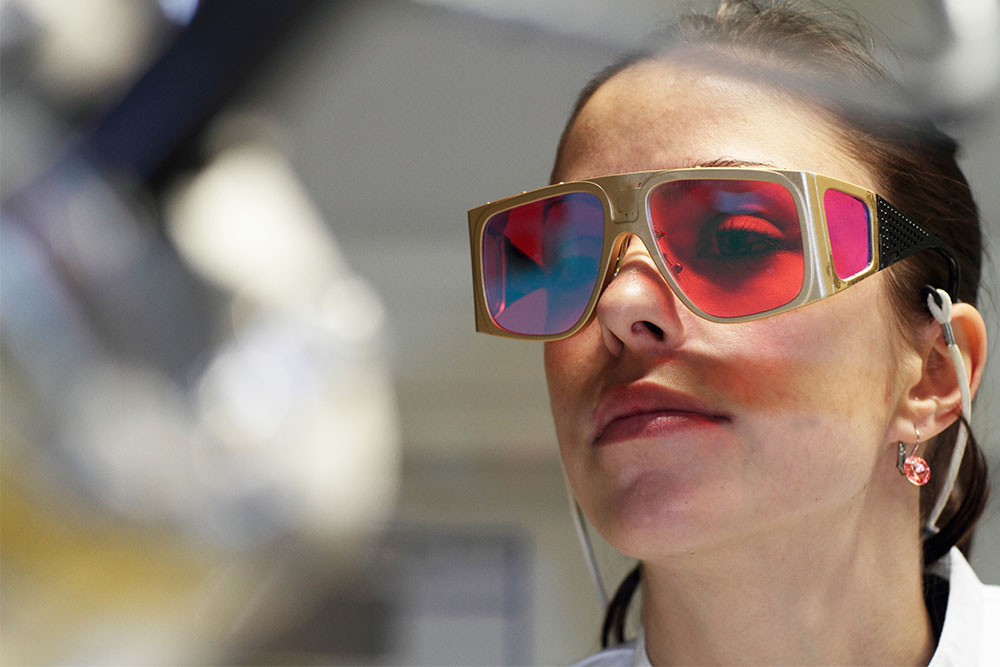
Understanding OD (Optical Density) In Laser Safety Protocols
Quick Summary Optical density ratings determine whether a piece of...
Read more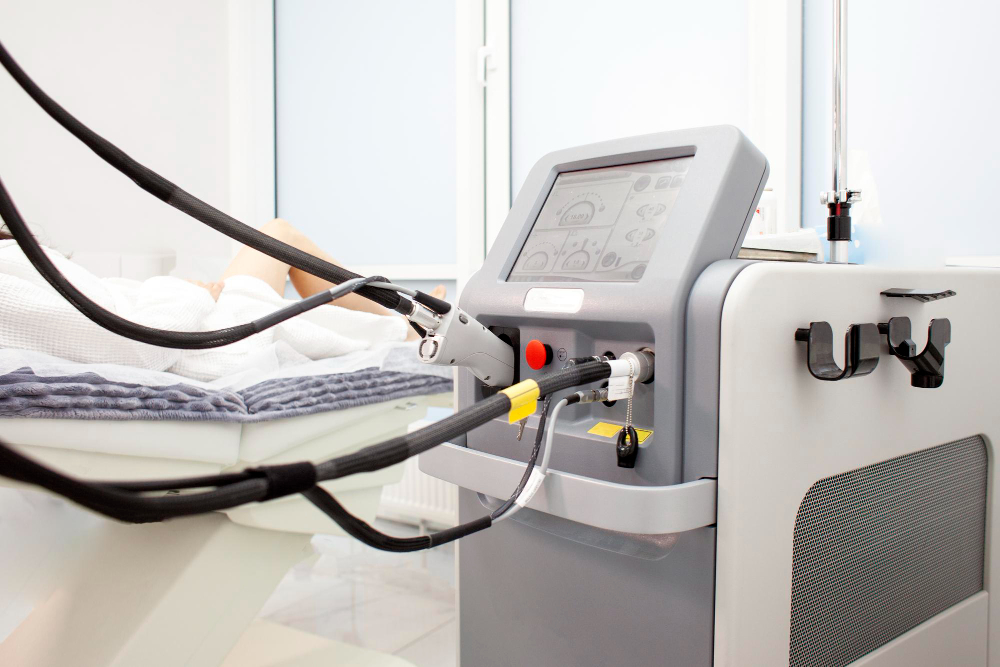
Understanding Long-Pulsed Nd:YAG Laser Technology
Quick Summary Pulse duration significantly influences how a laser ...
Read more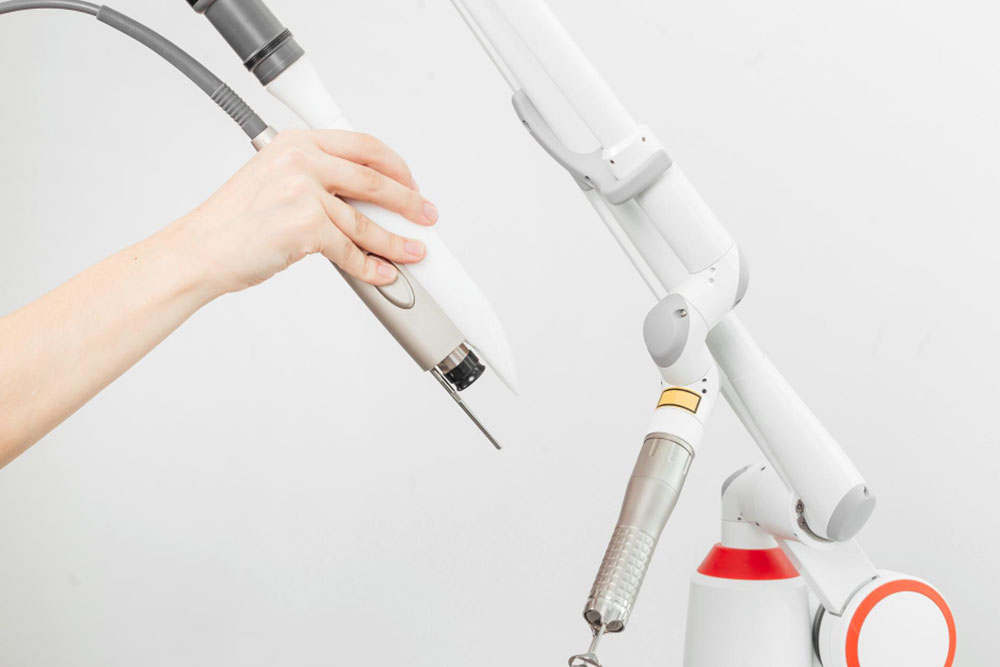
Nd:YAG Lasers Explained: How They Work And Their Practical Uses
Quick Summary This type of laser combines a neodymium-doped crysta...
Read more