How Optical Shutter Solenoids Enhance Performance In Imaging Systems

Quick Summary
An optical shutter solenoid turns a brief drive pulse into blade motion quick enough to let light reach a sample or sensor only during the exposure window. In fluorescence microscopy, machine vision, and wafer inspection, that control limits photobleaching, keeps brightness consistent from frame to frame, and spares detectors from stray exposure. The deciding factor is how the solenoid handles heat, vibration, bounce, and cycle life beside your optics, so measure its timing on the real system before the design is locked.
Watch a wafer inspection stage long enough, and a pattern appears: the stage settles, light hits the die for a few milliseconds, and the beam vanishes before the next move. A small coil and a spring-loaded blade keep that rhythm inside the optical shutters gating the beam, hundreds of times a minute, with no one noticing. The optical shutter solenoid behind it gets little credit, even though it decides whether each frame comes out crisp or washed out.
At NM Laser Products, we have designed and built beam shutters in San Jose for more than 35 years, and solenoid timing comes up in a surprising share of our engineering conversations. Below, we walk through what the solenoid does, the heat and vibration trade-offs it brings, and how to choose one for your imaging platform.
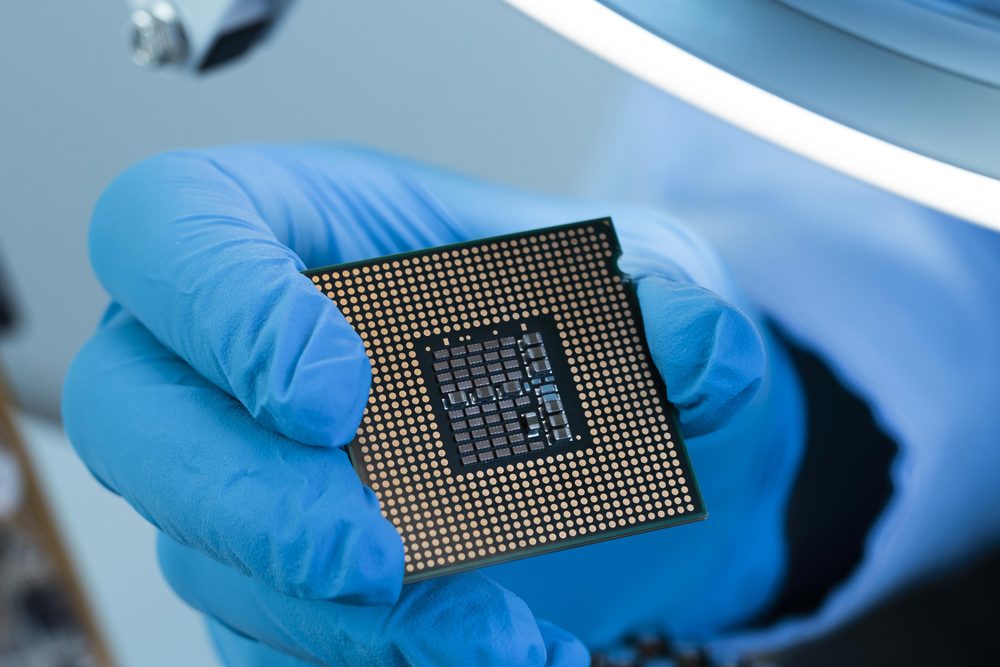
What An Optical Shutter Solenoid Does Inside An Imaging System
A solenoid is a coil wound around a movable iron armature, and current through the coil pulls that armature to slide or swing a blade across the aperture.
A return spring brings the blade home when the current stops, so a normally closed shutter blocks the beam if power or a controller fails mid-run. Our article on what drives optical shutters compares solenoids with other actuators.
Exposure Timing And Photobleaching Control In Fluorescence Microscopy
Fluorophores absorb only a limited number of excitation photons before bleaching, and live cells pay a phototoxic price for each extra one. Gating a solenoid shutter to the detector’s exposure signal through a TTL line keeps the sample dark between frames. The catch is latency: the blade starts moving a few milliseconds after the trigger, so the open command has to lead the exposure or the first slice of each frame is lost.
Solenoid Shutter Speed And Machine Vision Throughput
On an inspection line, small timing jitter between frames turns into brightness variation, and a vision algorithm may flag it as a defect. Blade bounce at the end of travel is often the source.
An optical shutter speed tester exposes it: a fast photodiode behind the aperture feeds an oscilloscope, and the delay, rise time, ripple, and fall time appear in one trace. Where cycle rates climb, a high-speed optical shutter with low moving mass holds exposures tight.
Heat And Impact In Solenoid Optical Shutters
Holding a solenoid open costs current, and that current becomes heat near lenses and filters. Over a long exposure, it can nudge focus, which looks like a focus-lock fault until someone tapes a thermocouple to the mount. A driver with a strong pull-in pulse and a lower hold current cuts that load.
Impact adds a second cost, because an armature striking its stop sends a pulse into the optical table that can show up as blur at high magnification. Our flexure (cantilever beam) designs exist largely to remove the rubbing joints where that shock and wear originate.
Matching A Solenoid Shutter To Wafer Inspection And Spectroscopic Imaging
Before you pick a shutter for wafer inspection or hyperspectral imaging, line these up:
- Aperture against beam diameter, plus alignment margin
- Wavelength and optical power, which set blade material and coating
- Default state on power loss
- TTL compatibility, hold-current control, and position feedback
- Mounting footprint and thermal path
Labs often run pulsed and continuous sources on one bench, so confirm that a single shutter handles both.
Bringing Tighter Light Control To Your Imaging Platform
Get the solenoid’s timing, bounce, and heat under control, and your detector works with the light you intended. One practical tip: put a photodiode behind a candidate shutter, run it through your own trigger chain, and compare the trace against our optical shutters for imaging and research systems. Here at NM Laser Products, our team designs and builds those shutters in San Jose, from catalog models to custom builds.
Chasing an exposure-timing problem on the bench? Bring it to NM Laser Products and talk with our engineers about a solenoid shutter matched to your optics.
Frequently Asked Questions
What causes optical shutter solenoid problems?
Heat from long hold times, tired return springs, debris, and weak drive signals cause the bulk of failures. Check hold current and duty cycle before replacing hardware, because a thermal fault can mimic a mechanical one.
What is a rotary solenoid shutter?
A rotary solenoid shutter turns its armature through a fixed angle to swing a blade across the beam. Ask for the rated rotation angle and return force, because those two figures decide whether the blade clears your aperture.
What does optical sensor mean in an imaging system?
An optical sensor is the detector, such as a CMOS chip or photodiode array, that turns light into an electrical signal. Position the shutter so its blade covers the sensor’s full active area, or stray light leaks in around the edges.
Can a solenoid shutter stay open for long exposures?
Yes, provided the driver drops to a reduced hold current after the pull-in pulse. If yours can’t, get the maximum continuous open time before scheduling overnight runs.
Do solenoid shutters work with UV and infrared imaging?
Solenoid shutters handle UV and infrared imaging when the blade material and coating suit the wavelength and power involved. UV can degrade some coatings, and infrared heats the blade itself, so check the coating’s rated wavelength range.
Related Blogs
Why Investing In An OEM CO2 Laser Beam Shutter Is Essential For Your Business
Quick Summary An OEM CO2 laser beam shutter is specified with the m...
Read more
What You Need To Know About High-Intensity Laser Shutters
Quick Summary A high-intensity laser shutter has to survive the bea...
Read more
USB Optical Shutters Explained: What You Should Know
Quick Summary A USB optical shutter is a beam shutter whose driver ...
Read more