How To Integrate A Custom Laser Shutter Into Your Laser System
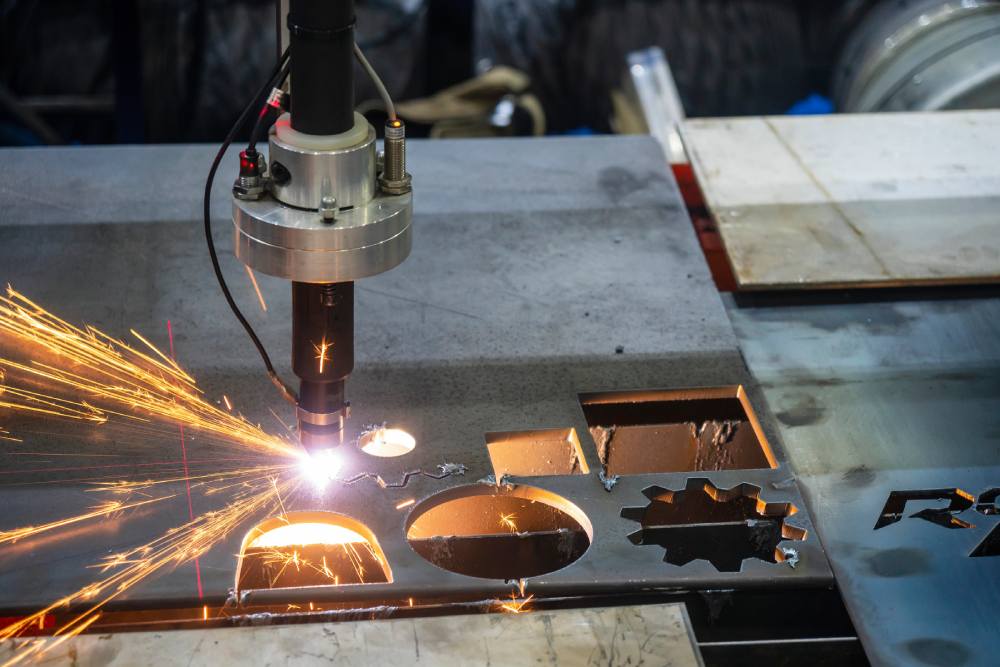
Integrating precision light control components requires planning, system knowledge, and alignment with operational goals.
Learn how to integrate a custom laser shutter into a laser system while maintaining performance, safety, and reliability. The discussion below addresses technical, mechanical, and control considerations relevant to laboratory and industrial platforms.
Understanding the Role of Laser Shutters in Modern Laser Systems
Laser shutters regulate optical exposure by physically or electronically blocking light paths during defined intervals. Their function contributes to controlled beam delivery, protection of downstream components, and stabilization of experimental or process results. Integration planning starts with understanding how shutter timing interacts with laser emission, detectors, and system control logic during operation.
In many architectures, shutters act as both operational tools and protective barriers. A custom optical shutter may be specified when standard products cannot match beam size, wavelength, or switching behavior.
Common Laser Shutter Applications across Research and Industry
Research environments use shutters for exposure gating, pulse selection, and detector protection.
High-speed imaging, spectroscopy, and microscopy rely on precise optical interruption to match acquisition windows. These applications demand repeatable motion, predictable latency, and compatibility with external triggers or timing controllers.
Industrial platforms use shutters for process isolation, safety interlocks, and laser-based material processing. Semiconductor equipment, medical systems, and automated inspection tools rely on shutters that tolerate frequent cycling. Application context defines performance expectations and shapes mechanical, electrical, and thermal design priorities.
Selecting the Right Laser Shutter for Your Optical Requirements
Shutter selection begins with optical parameters such as wavelength range, beam diameter, divergence, and power density. Aperture dimensions, blade materials, and surface coatings influence transmission loss and resistance to optical damage. Proper matching prevents beam clipping and preserves alignment during repeated operation.
Environmental constraints also influence selection. Vacuum compatibility, temperature limits, vibration exposure, and mounting orientation shape feasible designs. When standard units fall short, custom designs address space restrictions or uncommon beam geometries without compromising system stability or maintenance accessibility.
Evaluating Speed, Duty Cycle, and Lifetime Performance Parameters
Response time defines how quickly a shutter transitions between open and closed states. Fast switching is critical for short exposure windows and synchronization with pulsed laser sources. Both actuation delay and settling behavior must be considered when coordinating shutters with lasers and detectors.
Duty cycle and operational lifetime describe how frequently a shutter can actuate without performance degradation. High-repetition environments require mechanisms designed for millions of cycles. Evaluating wear points, heat generation, and actuation forces helps align component selection with expected usage profiles.
Mechanical vs. Non-Mechanical Laser Shutter Technologies
Mechanical shutters use moving blades driven by electromagnetic or motorized actuators. They offer broad wavelength compatibility and high damage thresholds. Their predictable blocking behavior suits safety functions, though mechanical motion introduces inertia and acoustic noise considerations within sensitive instruments.
Non-mechanical shutters, including liquid crystal and magneto-optic devices, modulate light without moving parts. These technologies enable quiet operation and fast modulation but can impose limits on power handling. Technology comparison requires careful consideration of optical performance, environmental tolerance, and overall system integration complexity.
Electrical and Control Interface Considerations for Integration
Control interfaces define how shutters communicate with system electronics. Common options include TTL, analog voltage, digital buses, or relay contacts. Compatibility with existing controllers simplifies integration and reduces the need for custom firmware or signal conditioning hardware during installation.
Electrical characteristics such as drive voltage, current draw, and switching transients influence power supply design. Isolation requirements may apply in medical or industrial settings. Early coordination between optical and electrical teams prevents integration delays and supports reliable long-term operation.
Synchronizing Laser Shutters with Imaging and Timing Systems
Synchronization aligns shutter motion with laser emission and data acquisition. Timing controllers, delay generators, or camera triggers often coordinate these events. Accurate synchronization reduces unwanted exposure, improves image contrast, and protects sensors from stray illumination during non-acquisition periods.
Latency characterization forms part of integration testing. Measuring trigger to actuation delay under operating conditions refines timing offsets.
Stable synchronization depends on consistent response across temperature ranges and duty cycles. This consistency maintains repeatable system behavior during extended operating sessions.
Safety Interlocks and Compliance Requirements in Laser Shutter Design
Laser safety standards often require shutters as physical barriers during fault conditions. Integration includes connecting shutters to interlock circuits that disable emission when access panels open or errors occur. Compliance expectations vary by application, jurisdiction, and laser classification level.
Shutter fail-safe behavior receives close attention. Designs may default to closed states during power loss or control faults. Documenting interlock logic and verifying response paths supports audits, regulatory review, and operator confidence during routine and abnormal system conditions.
Customization Options for Specialized Beam and System Configurations
Customization addresses nonstandard requirements such as oversized beams, unusual mounting angles, or confined spaces. Custom housings, blade geometries, and actuator arrangements let shutters fit within dense optical assemblies without disturbing alignment or service access.
Material selection also enables customization. Specialized coatings control reflectivity or absorption at specific wavelengths. Thermal considerations guide material choices for high-average-power systems. Collaborative design with manufacturers aligns mechanical drawings, electrical interfaces, and performance targets before fabrication.
Environmental and Operational Factors that Influence Shutter Integration
Environmental conditions affect shutter performance over time and should be evaluated during system design. Temperature variation, humidity, airborne contaminants, and vibration can alter actuation behavior or optical alignment.
Operational factors include startup cycles, standby states, and emergency shutdown behavior. Shutters may experience different stress profiles during transient conditions compared to steady operation.
Accounting for these patterns during integration maintains predictable behavior, reduces component fatigue, and aligns shutter performance with the broader laser system workflow.
Best Practices for Testing, Calibration, and Long-Term Reliability
Integration testing validates mechanical fit, optical alignment, and control response. Initial calibration sets timing offsets and verifies aperture positioning. Repeating these tests after environmental stress screening identifies drift or wear effects before deployment into operational environments.
Long-term reliability benefits from scheduled inspections and performance monitoring. Tracking actuation counts and response times identifies aging trends. Preventive maintenance planning reduces unexpected downtime and supports consistent optical performance throughout the system’s service life.
Integrating Custom Laser Shutters for System-Level Performance
Successful integration of a custom laser shutter depends on aligning optical, mechanical, electrical, and safety considerations within the overall system architecture.
Careful planning, informed component selection, and thorough validation support predictable operation across research and industrial environments. When these elements are addressed cohesively, the shutter functions as a stable and reliable part of the laser system rather than an isolated accessory.
For expert guidance and application-specific solutions related to how to integrate a custom laser shutter into a laser system, contact us at NM Laser Products today.
Related Blogs
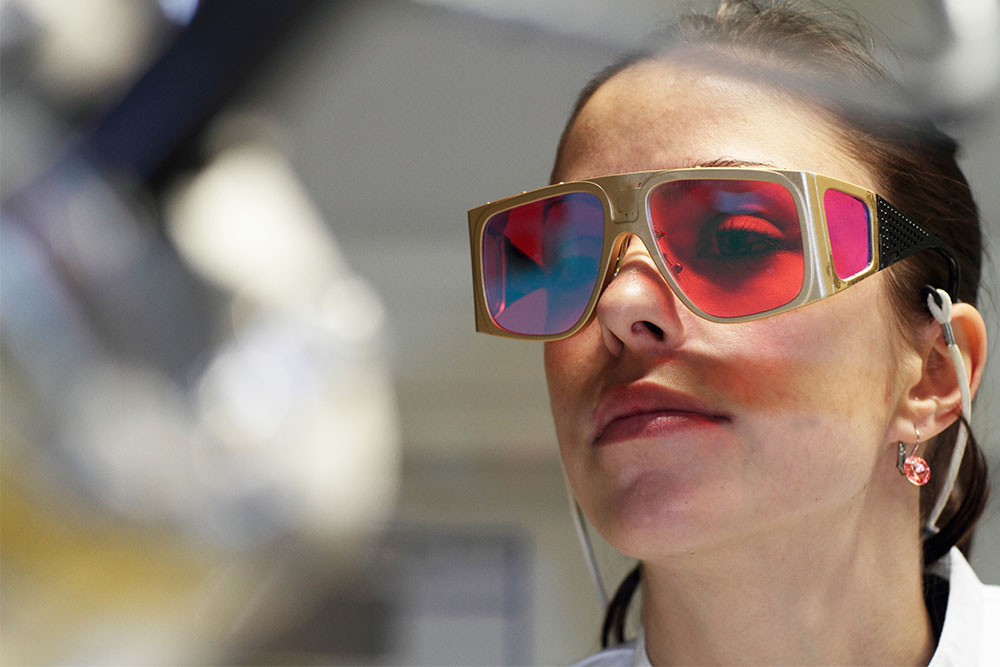
Understanding OD (Optical Density) In Laser Safety Protocols
Quick Summary Optical density ratings determine whether a piece of...
Read more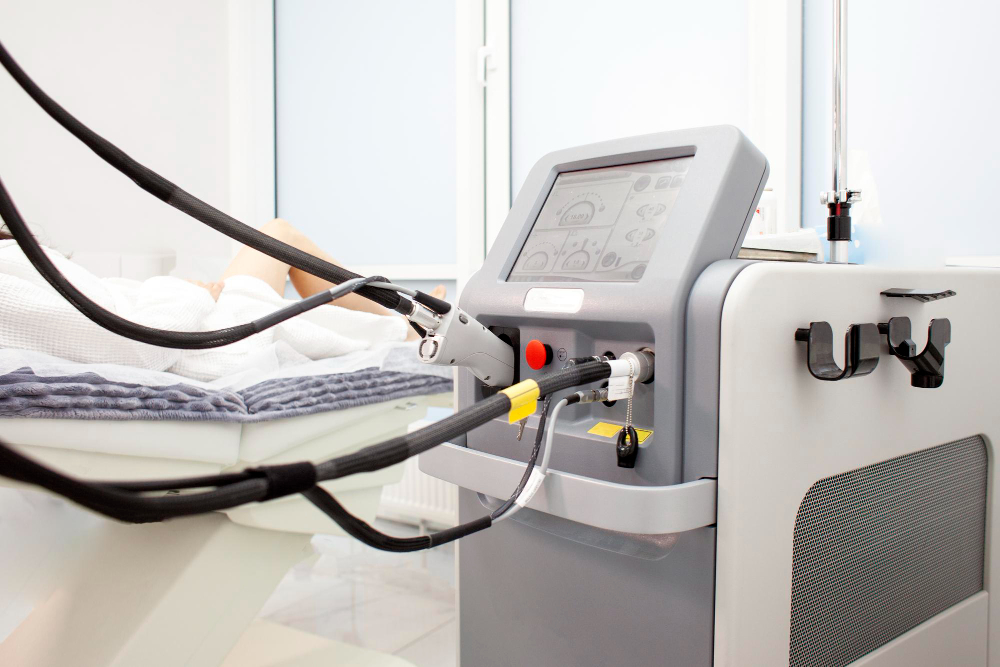
Understanding Long-Pulsed Nd:YAG Laser Technology
Quick Summary Pulse duration significantly influences how a laser ...
Read more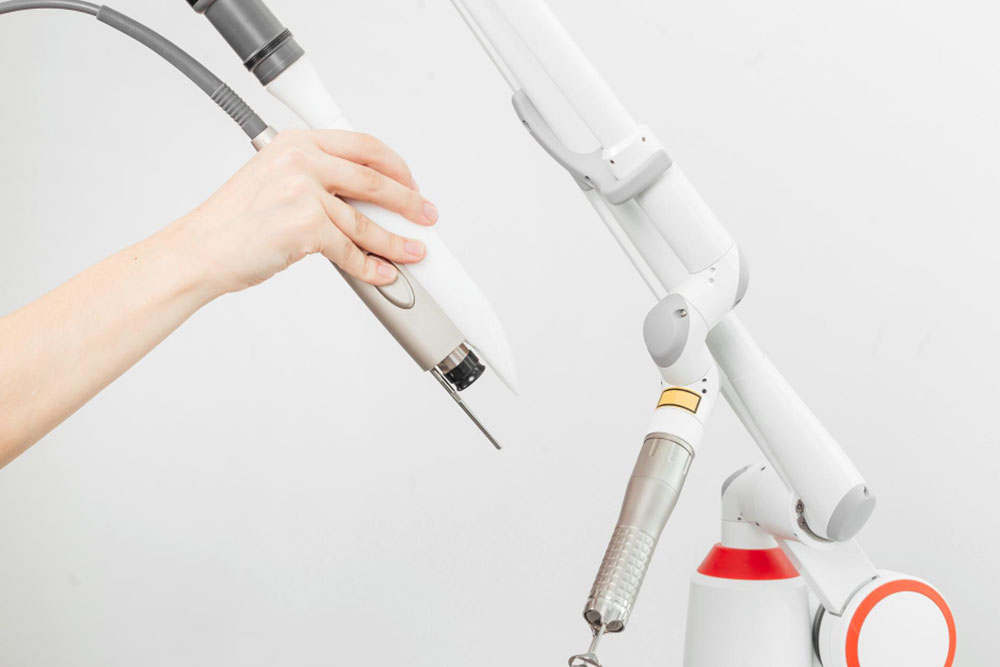
Nd:YAG Lasers Explained: How They Work And Their Practical Uses
Quick Summary This type of laser combines a neodymium-doped crysta...
Read more