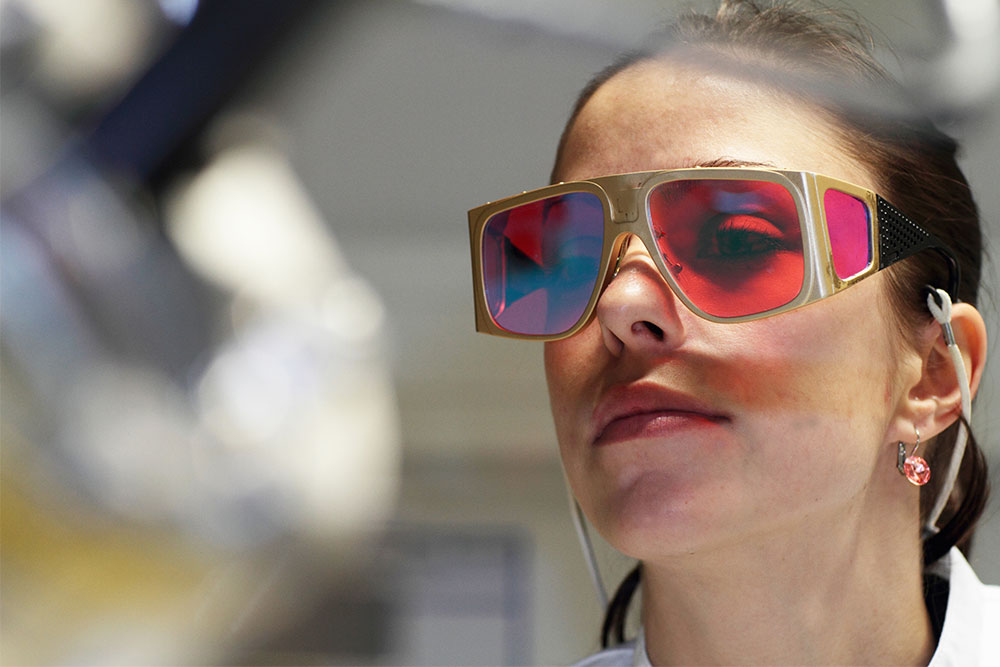
Understanding Long-Pulsed Nd:YAG Laser Technology
Quick Summary Pulse duration significantly influences how a laser interacts with its target. Millisecond-scale pulses from long-pulsed systems create a gentler, more gradual heating effect than the nanosecond bursts associated with Q-switched operation. That difference[…]
Read More
September 10, 2026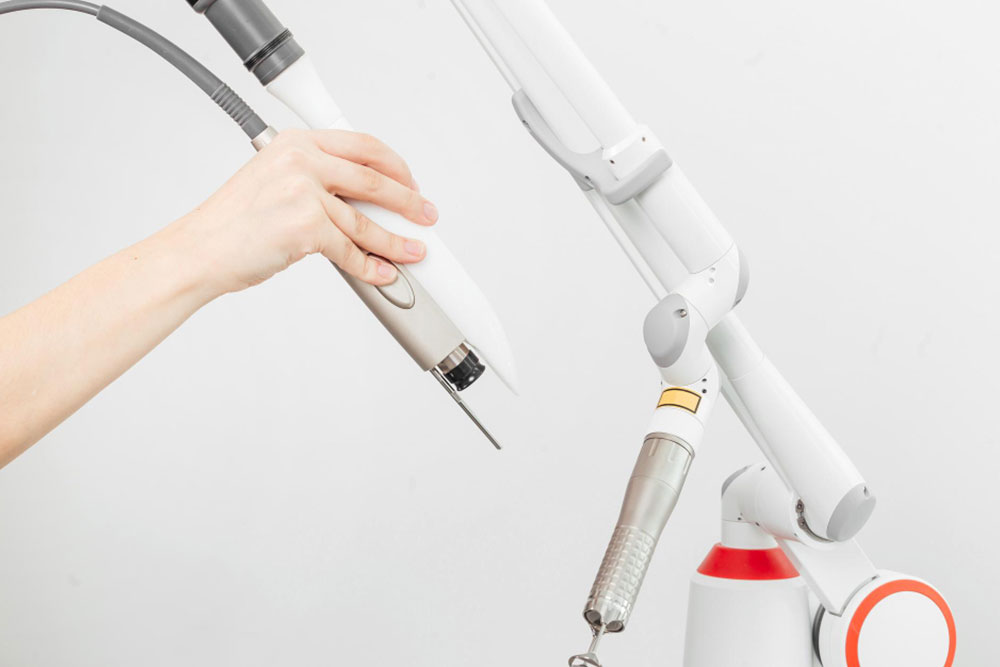
Nd:YAG Lasers Explained: How They Work And Thei...
Quick Summary This type of laser combines a neodymium-doped crystal, an optical pump source, and a resonant cavity to generate a beam used across medicine, manufacturing, and research. Understanding this basic mechanism helps explain why[…]
Read More
September 6, 2026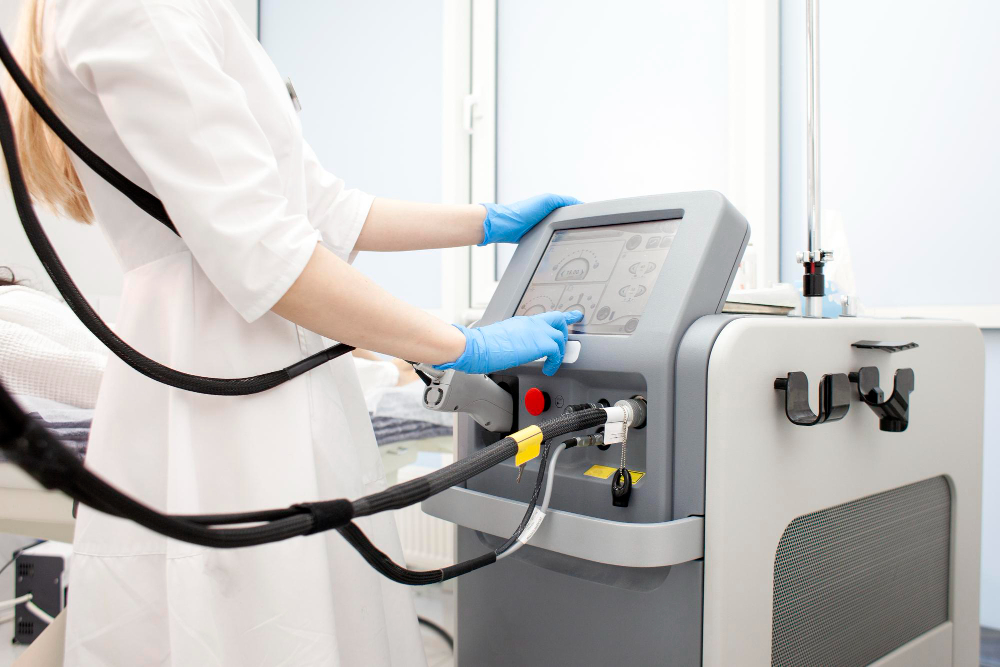
Alexandrite Vs. Nd:YAG Laser: 5 Key Differences...
Quick Summary Wavelength drives many of the practical differences between alexandrite and Nd:YAG lasers. It affects how each system interacts with a target material, how deeply energy penetrates, and what optical density a shutter needs[…]
Read More
August 17, 2026
Erbium YAG Laser Vs. CO2 Laser: Which Is Better?
Quick Summary Erbium YAG lasers target water in the skin more aggressively than CO2 lasers, producing shallower ablation with a shorter recovery window, while CO2 systems reach deeper and add more thermal coagulation for tighter,[…]
Read More
July 13, 2026
The Essential Guide To YAG Laser Welding
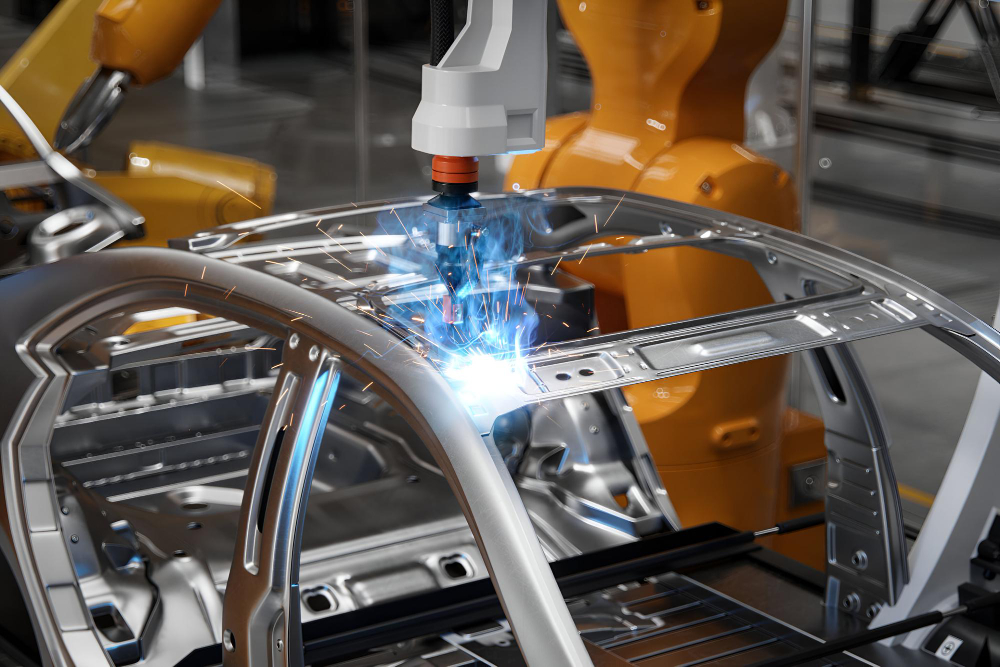
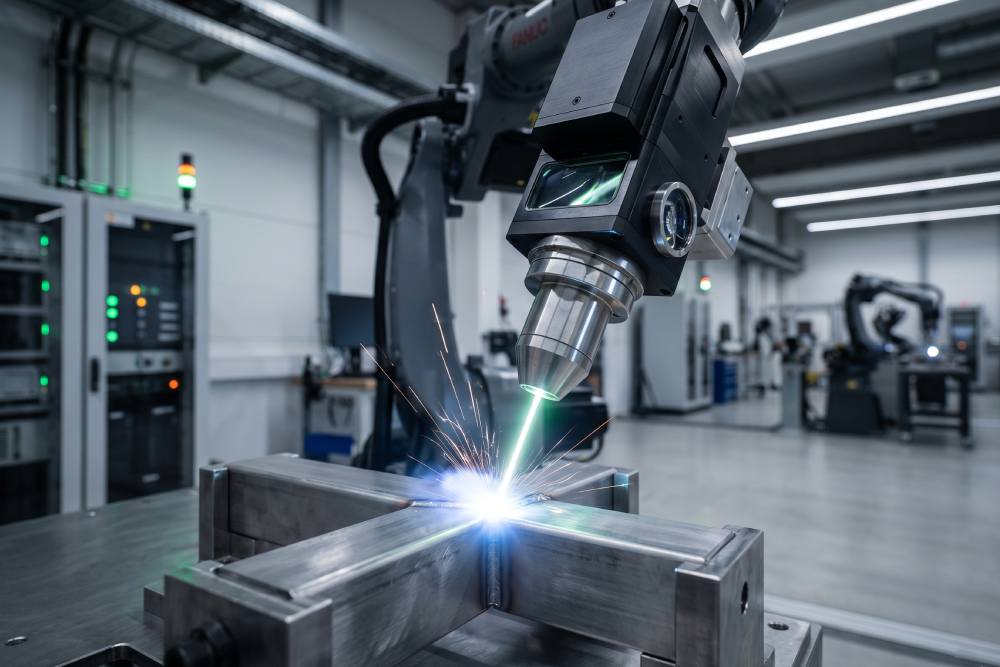
Quick Summary YAG laser welding uses focused pulses of near-infrared light to fuse metal joints with minimal heat spread into surrounding material, which limits distortion and keeps sensitive nearby components intact. A long pulsed Nd[…]
Read More
July 2, 2026
YAG Laser Vs. Fiber Laser Shutter: Which One Is...
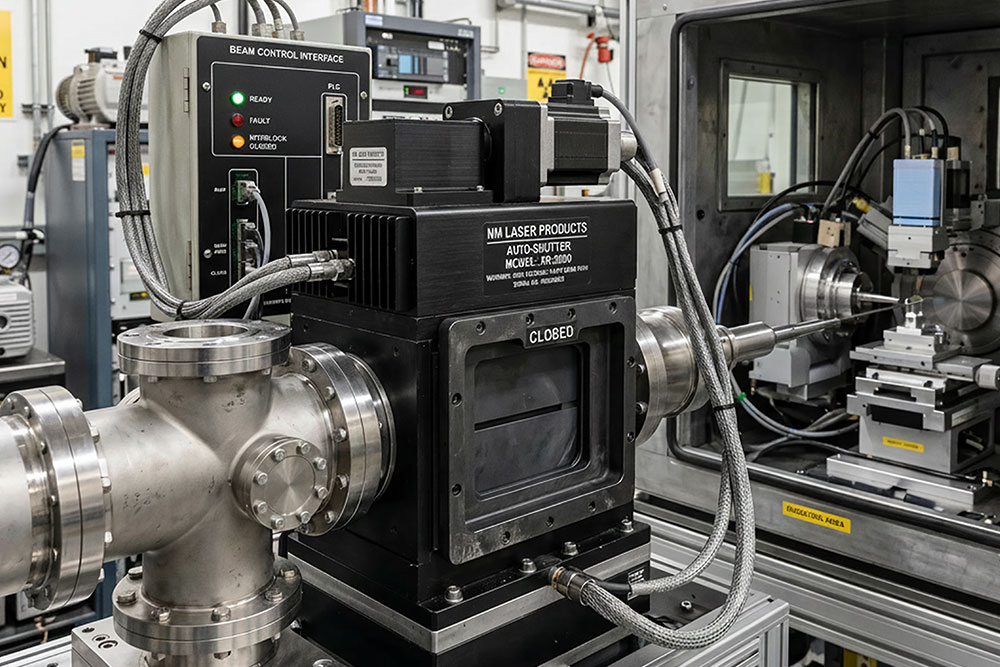
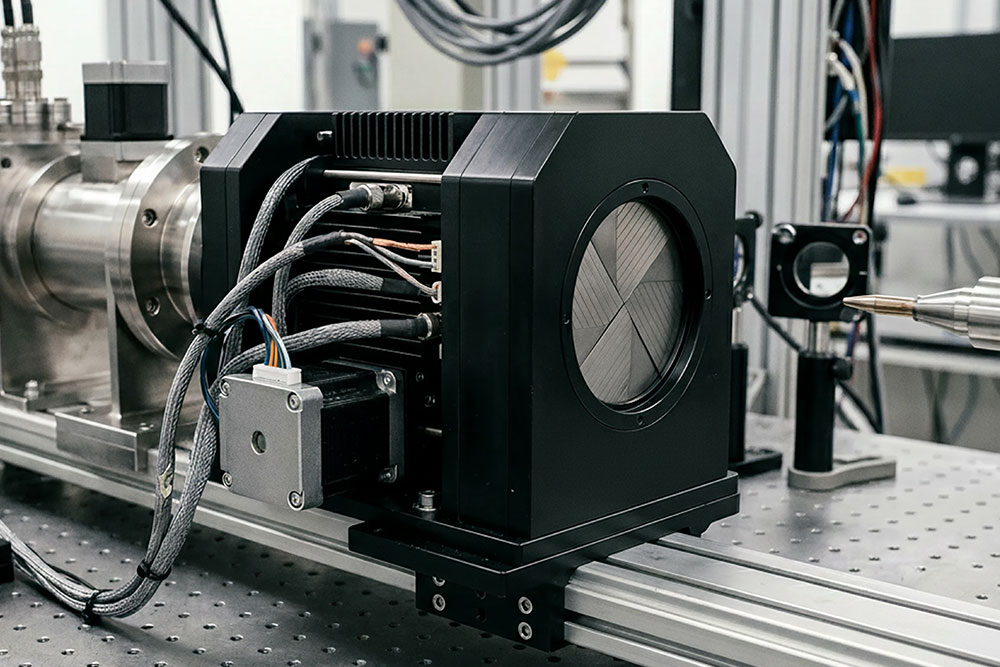
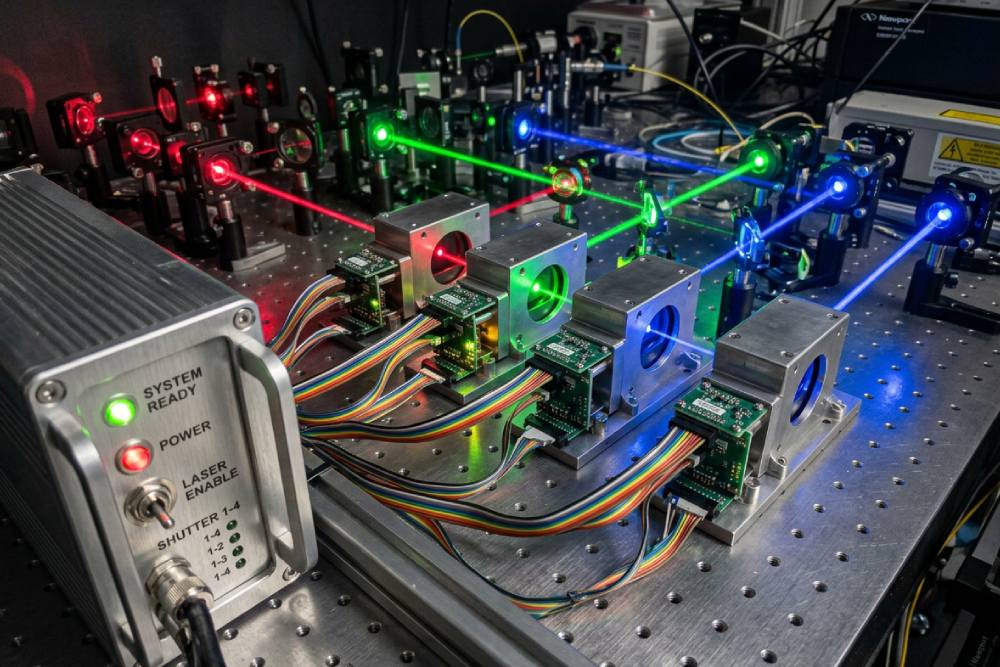
Laser technology continues to advance, yet one design question remains constant across industrial, medical, and scientific applications. Engineers still need to control when a beam passes and when it stops. This function falls on the[…]