Laser Shutter Safety Interlock Requirements Explained
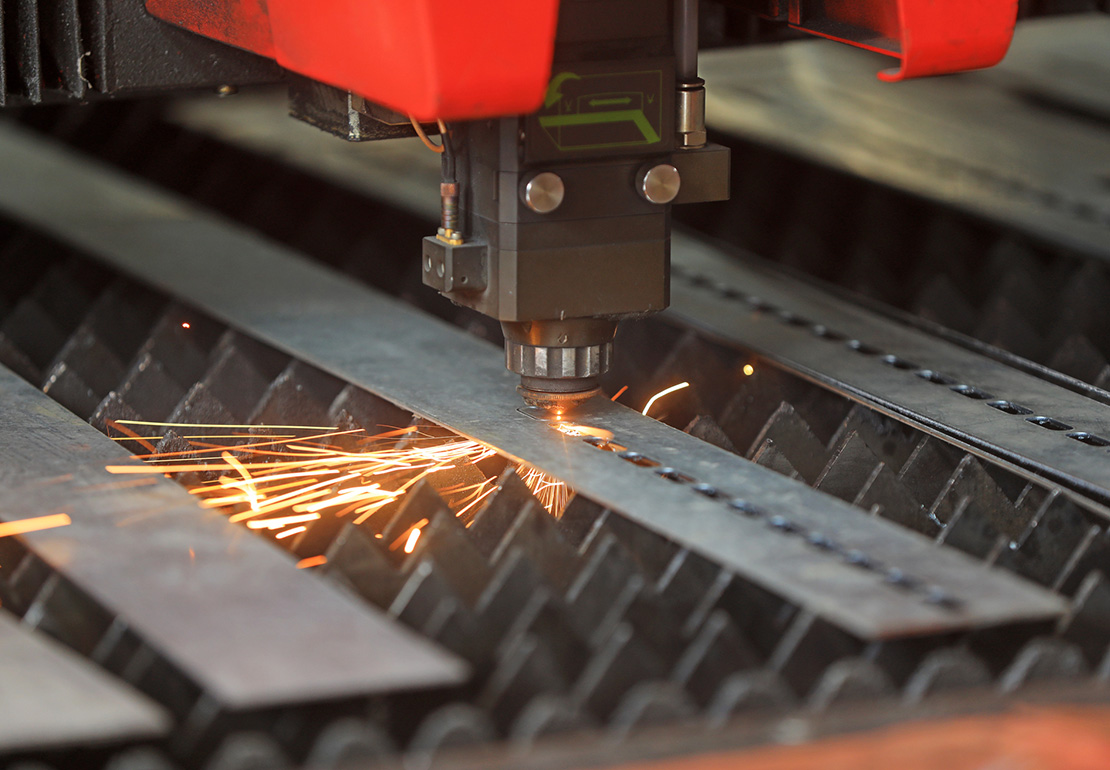
Laser systems depend on precision, safety, and control. A properly designed interlock protects users and equipment from hazardous light exposure. Understanding laser safety interlock requirements helps organizations reduce risks while staying compliant with regulations and industry standards.
At NM Laser Products, Inc., we design and manufacture advanced laser shutters and optical beam shutters that integrate with safety interlock systems. Our goal is to help research, industrial, and medical facilities operate safely while maintaining reliable laser performance and precision beam control.
What Is a Laser Interlock?
Before discussing safety standards, it is important to understand what a laser interlock is. A laser interlock is a control mechanism that restricts laser operation when safety barriers are opened or when unsafe conditions are detected. It prevents the beam from emitting unless all protective systems are properly engaged.
Interlocks can be mechanical, electrical, or a combination of both. They are typically connected to shutters, switches, or access controls. When activated, they automatically close the shutter or disable the laser source. This function helps reduce potential harm and prevents accidental exposure during maintenance or equipment adjustment.
Purpose of Laser Safety Interlock Requirements
The purpose of laser safety interlock requirements is to minimize risk and maintain operational safety. These requirements define how systems must react when a door, cover, or access panel is opened during laser operation. A compliant setup must stop beam emission immediately to protect operators and maintain safety certification.
In many industries, interlocks are required by local or federal regulations. They form part of a layered safety design that includes shutters, enclosures, and personal protective equipment. By combining all these elements, laser users achieve higher reliability and meet compliance with recognized safety standards such as ANSI Z136.
How Laser Shutters Enhance Interlock Safety
Shutters are an important part of an interlock system. They act as physical barriers that block laser beams when safety triggers are activated. When a door or panel connected to an interlock opens, the shutter closes to prevent the beam from escaping.
Our precision optical shutters are designed to respond rapidly and repeatedly under demanding conditions. They handle high optical power while maintaining accurate alignment. These features make them ideal for laboratory and industrial environments where reliability and response speed are important to maintaining safety.
By incorporating shutters into interlock systems, facilities gain an automatic and dependable layer of protection. The laser beam stays isolated unless all safety conditions are met, making the entire system more secure and easier to operate.
When Is a Laser Safety Program Required?
Understanding when a laser safety program is required helps organizations meet regulatory expectations. A safety program is typically necessary whenever Class 3B or Class 4 lasers are used. These higher-power systems pose risks to eyesight, skin, and nearby materials, requiring structured safety oversight.
A complete safety program includes several elements: hazard assessments, training, standard operating procedures, and defined control measures. It also involves appointing a Laser Safety Officer (LSO) responsible for reviewing hazards and maintaining compliance documentation. By implementing this structure, organizations can demonstrate responsible laser management and meet inspection standards.
Components of an Effective Safety Interlock System
A well-designed interlock system combines electrical, optical, and mechanical components to prevent unsafe operation. Most include sensors that detect when access points open and immediately trigger a shutdown. Others integrate directly with shutters that physically block the beam.
Typical components include control relays, access sensors, warning indicators, and emergency stop mechanisms. These parts must work together in a fail-safe manner, meaning any power loss or system error defaults to a safe state. When connected properly, shutters and interlocks can respond within milliseconds to maintain safety and reliability.
Designing for Fail-Safe Operation
Fail-safe operation is one of the most important aspects of interlock design. Systems must remain secure even in the case of failure or loss of control power. This design principle makes sure that the laser turns off or the shutter closes automatically whenever something goes wrong.
At NM Laser Products, Inc., we build our shutters to support fail-safe behavior. The mechanical structure allows the shutter to close quickly under signal loss or control interruption. Our designs can handle high optical loads and frequent cycling without reducing performance. This durability adds long-term reliability to complex optical setups.
Integrating Shutters with Control Logic
Modern laser systems often rely on programmable control logic to manage safety features. Interlocks are connected to these control circuits, allowing precise coordination between beam output and physical barriers.
High-performance shutters must integrate seamlessly with this logic. They respond to control signals immediately, reducing the chance of delay between detection and beam cutoff. Our CO2 laser shutters are built to operate in synchronized systems where timing and stability are vital. They work efficiently in research facilities, manufacturing plants, and automated inspection lines.
Benefits of Following Interlock Requirements
Following laser safety interlock requirements offers benefits beyond compliance. It helps organizations protect staff, safeguard optical equipment, and reduce liability. Systems that include well-designed interlocks and shutters also minimize downtime and improve confidence in daily operations.
Consistent safety practices make it easier to train personnel and maintain certification. They also help extend the lifespan of sensitive optical instruments by preventing unnecessary exposure. These advantages contribute to better operational performance and stronger long-term reliability.
Maintaining and Testing Safety Systems
Once installed, safety systems must be maintained and tested regularly. Inspections help confirm that interlocks, sensors, and shutters still function as expected. Over time, mechanical wear or electrical issues may affect performance if maintenance is ignored.
Routine checks should include functional tests of each interlock trigger and verification of proper shutter response. Testing schedules can be built into a facility’s laser safety program to simplify compliance tracking. Consistent documentation of test results helps demonstrate regulatory adherence during audits or inspections.
Our Commitment to Safe and Reliable Laser Operation
At NM Laser Products, Inc., we combine engineering experience with a dedication to safety. For more than 35 years, our shutter systems have supported research institutions, manufacturers, and medical device companies worldwide. Our products are built in the United States and developed for reliability, speed, and long service life.
We continue to improve our shutter designs to meet evolving interlock standards and performance demands. By offering precision-made, high-reliability solutions, we help engineers maintain safety compliance while achieving accurate beam control. Our mission is simple: to deliver products that make laser systems safer, stronger, and easier to manage.
Need help improving your system’s safety integration?
Contact NM Laser Products, Inc. today to learn more about our shutters and how they support compliance with laser safety interlock requirements.
Related Blogs
Class 4 Laser Safety Shutters: What You Need To Know
High-power laser systems operate in a space where precision and ris...
Read more
Choosing A High-Power Laser Shutter For Pulsed Applications
Selecting a high-power laser shutter for pulsed applications requir...
Read more
High-Energy Pulsed Laser Shutters: Uses And Benefits
Modern laser systems operate at energy levels where timing mistakes...
Read more