Laser Shutter Vs. CNC: Which Is Better For Precision Cutting?
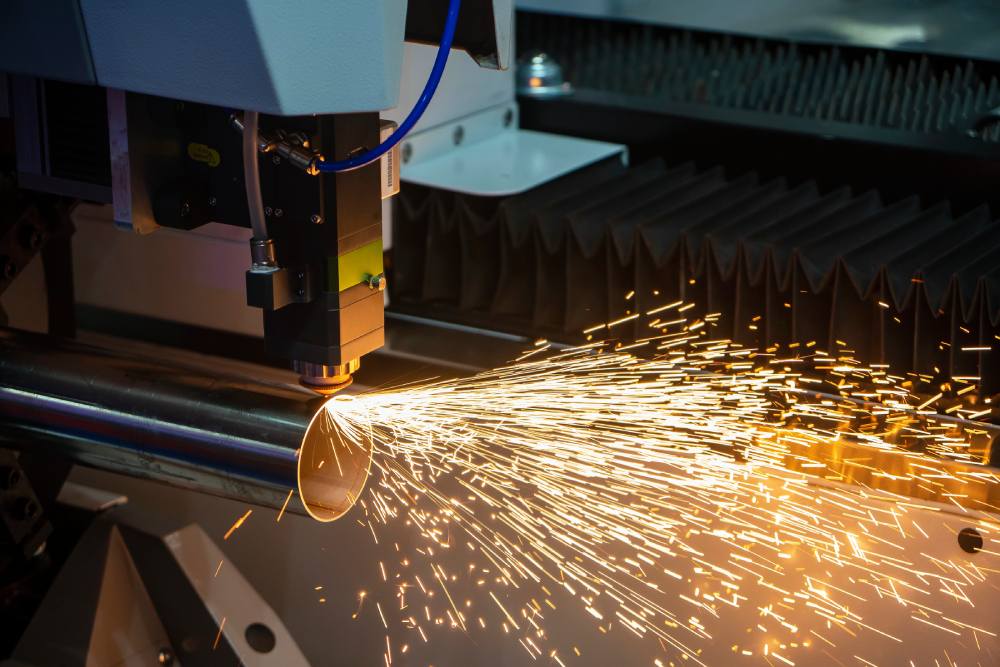
The debate between laser vs. CNC cutting technologies has become a hot topic across manufacturing and engineering fields. Both methods achieve high levels of accuracy. However, they rely on completely different mechanisms to shape materials.
Laser cutting depends on the controlled use of focused light. CNC machining uses physical tools guided by programmed movements. Recognizing how these systems differ in speed, detail, and application offers a look into which process delivers the precision modern industries demand.
The Principles of Laser Cutting
Laser cutting uses a beam of concentrated light energy to heat, melt, or vaporize material along a defined path. The beam’s intensity and diameter can be adjusted for intricate results without physical contact. As the energy source never touches the surface, the process eliminates tool wear and reduces the chance of deformation in delicate parts.
For every laser cutting system, there is precise beam modulation. Laser shutters and optical beam shutters regulate the timing and exposure of the light, controlling when energy reaches the workpiece.
These components maintain consistent power levels and protect optical systems during rapid cycling. High-quality shutters are necessary for achieving clean cuts at different speeds, because even minor timing irregularities can affect the edge quality.
Laser systems also benefit from variable wavelength options. Infrared, CO₂, and fiber lasers each interact differently with metals, polymers, and composites. This versatility lets operators choose configurations that fit their specific materials. The ability to switch between high power for thicker materials and fine focus for intricate work gives laser cutting a distinct advantage in precision manufacturing.
The Basics of CNC Machining
CNC, or Computer Numerical Control, relies on subtractive methods. A cutting tool physically removes material from a solid block according to programmed instructions. Each axis of movement is carefully coordinated through digital control, producing highly accurate and repeatable parts. Different from laser systems, CNC tools exert mechanical force on the material, generating chips or shavings as they carve or mill the desired shape.
CNC machining works well with metals, plastics, and wood. It remains popular for applications requiring depth, such as mold production or large-scale structural components. The technology supports a number of tool geometries and gives them flexibility in cutting profiles and surface textures. However, mechanical resistance can influence precision over time, particularly when cutting very thin or heat-sensitive materials.
Tool maintenance also influences CNC’s consistency. Physical wear can alter the geometry of cutting edges and require recalibration to maintain accuracy. In contrast, laser cutting depends on beam stability rather than mechanical sharpness, delivering a different form of reliability.
Comparing Accuracy and Detail
The main difference between laser and CNC cutting is in how each interacts with material. Laser systems use heat to separate or mark surfaces, while CNC relies on mechanical abrasion.
The non-contact nature of laser cutting allows fine detail at smaller scales, often reaching tolerances within microns. CNC’s mechanical strength supports deeper cuts and thicker materials, though it may introduce small variations because of vibration or tool deflection.
Precision depends not only on the cutting mechanism but also on system calibration and environmental factors. Temperature, alignment, and vibration all influence outcomes. For high-resolution work, laser systems often outperform CNC tools because their control comes from light rather than physical resistance.
The introduction of optical laser shutter components has helped to refine this accuracy by synchronizing light modulation with rapid positional commands.
CNC systems still hold their ground in situations requiring high material removal rates or structural integrity. For instance, aerospace parts that must maintain specific tolerances over large surfaces often benefit from CNC milling. However, laser systems are perfect for thin metals, microelectronics, or engraving, where precision and surface finish are non-negotiable.
Speed and Efficiency in Production
Speed influences industrial cutting operations. Laser cutting can achieve rapid cycle times because it does not require tool changes or repositioning. Once programmed, the beam moves with continuous flow, guided by mirrors or galvo systems.
Complex geometries can be completed in a single motion without pausing for tool replacement. CNC systems usually operate at slower speeds, particularly when handling dense materials. The need to change cutting heads or drill bits extends the total processing time.
However, CNC machining excels in multi-step operations that require drilling, tapping, or contour shaping. This will give it flexibility in manufacturing environments.
The choice between laser and CNC frequently depends on production goals. Laser systems favor short runs with intricate detail. On the other hand, CNC machines dominate large-scale fabrication or parts requiring depth and dimensional stability.
Material Compatibility and Finish
Laser cutting delivers exceptionally smooth edges and minimal heat distortion when configured correctly. The beam’s precision allows clean contours without further finishing. For reflective materials such as aluminum or copper, specialized wavelengths or coatings may be required for consistent absorption.
CNC machining produces excellent results on thick metals and structural components, but it can leave tool marks or require post-processing for polish and smoothness. The choice can depend on how the final component will be used. Decorative applications or thin-film materials tend to favor laser cutting, while mechanical parts that need to withstand stress are better suited for CNC methods.
In both technologies, the final finish reflects the precision of the system’s controls. High-quality shutters and actuation systems in laser cutting contribute directly to surface uniformity because they maintain beam steadiness during high-speed passes.
Customization and Adaptability
Laser technology has progressed greatly in recent years. Many systems now employ custom and OEM laser configurations customized to specific applications. Engineers can adjust aperture size, wavelength, and pulse duration to match each material and thickness. These custom solutions allow manufacturers to balance power output and precision for diverse projects.
For industrial environments requiring high beam uniformity, large-aperture laser is used. They support wide or high-energy beams used in heavy-duty processing, which helps maintain uniform exposure across larger fields of view. This capability supports operations such as sheet-metal fabrication, where large areas must be cut or etched with consistency.
CNC systems also deliver customization through multi-axis control and tool selection. However, their mechanical limits restrict the level of miniaturization achievable compared to laser platforms. The growing demand for miniaturized components has made laser technology the preferred option for microfabrication and fine detail work.
Environmental and Maintenance Factors
Laser cutting produces minimal waste because it removes material through vaporization rather than mechanical force. The absence of cutting fluids or lubricants reduces cleanup and disposal requirements. Energy efficiency depends on system design, but the non-contact nature of laser systems minimizes long-term wear.
CNC machines, while durable, require ongoing maintenance to manage friction and debris. Regular calibration of tools and spindles is needed to preserve precision. Both systems demand a controlled environment, though lasers generally operate with fewer consumables and less physical intervention.
The NM Laser Products Approach to Precision
NM Laser Products knows that laser technology has transformed how precision cutting is achieved across industries. Our expertise lies in developing the components that make these systems perform reliably under demanding conditions.
Our optical laser shutter designs support accurate modulation in high-speed applications, giving manufacturers confidence in their laser system performance. For operations that demand greater beam coverage, we supply large-aperture laser shutters that maintain uniform exposure across extensive work areas.
We also specialize in custom and OEM laser solutions, customizing designs to meet the unique needs of our clients’ systems. If you would like to learn more about our products or discuss the right solutions for your application, please reach out to us.
Our team is always available to support your projects with technical insight and personalized service.
Related Blogs
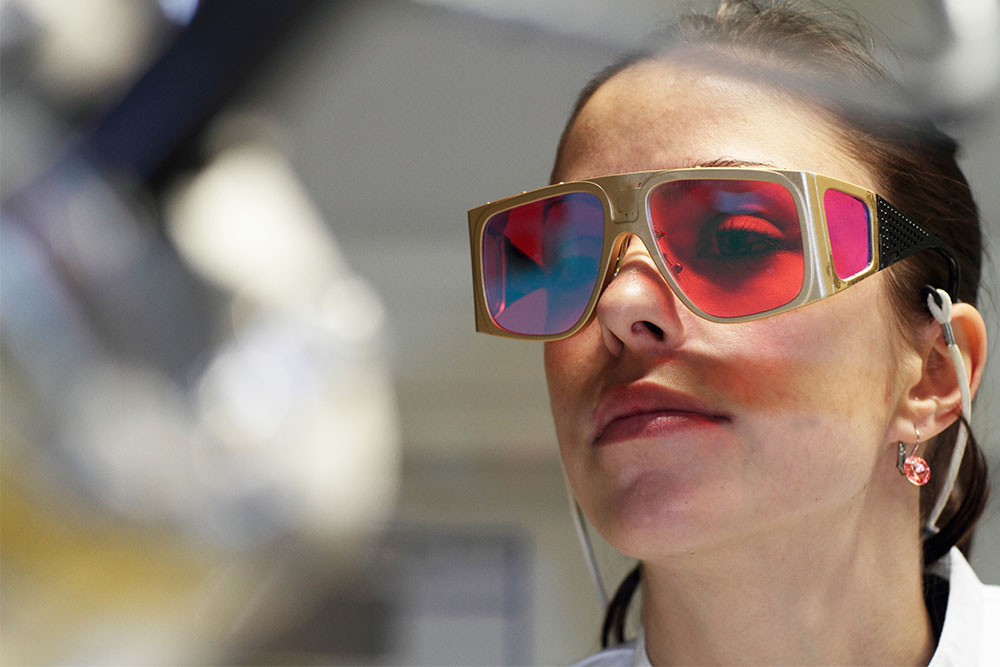
Understanding OD (Optical Density) In Laser Safety Protocols
Quick Summary Optical density ratings determine whether a piece of...
Read more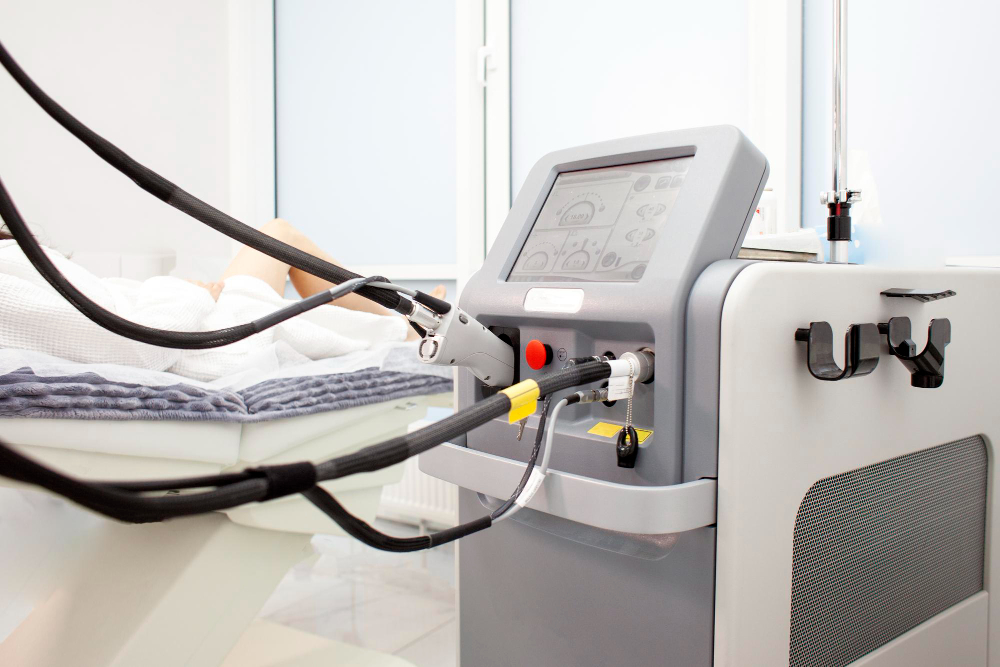
Understanding Long-Pulsed Nd:YAG Laser Technology
Quick Summary Pulse duration significantly influences how a laser ...
Read more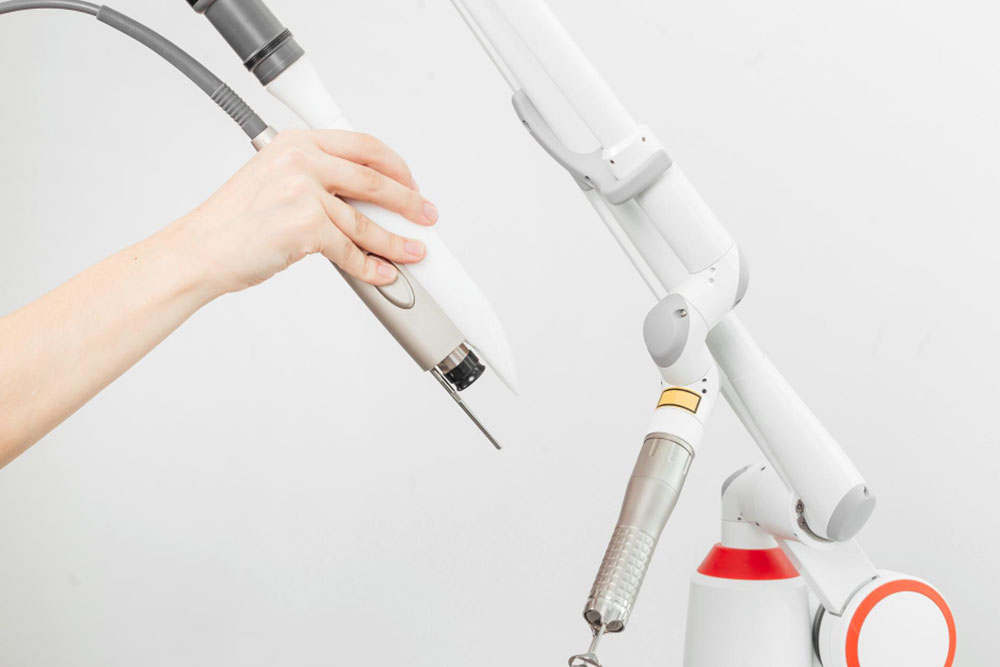
Nd:YAG Lasers Explained: How They Work And Their Practical Uses
Quick Summary This type of laser combines a neodymium-doped crysta...
Read more