Infrared Vs. Laser Shutter: Understanding Wavelengths & Applications
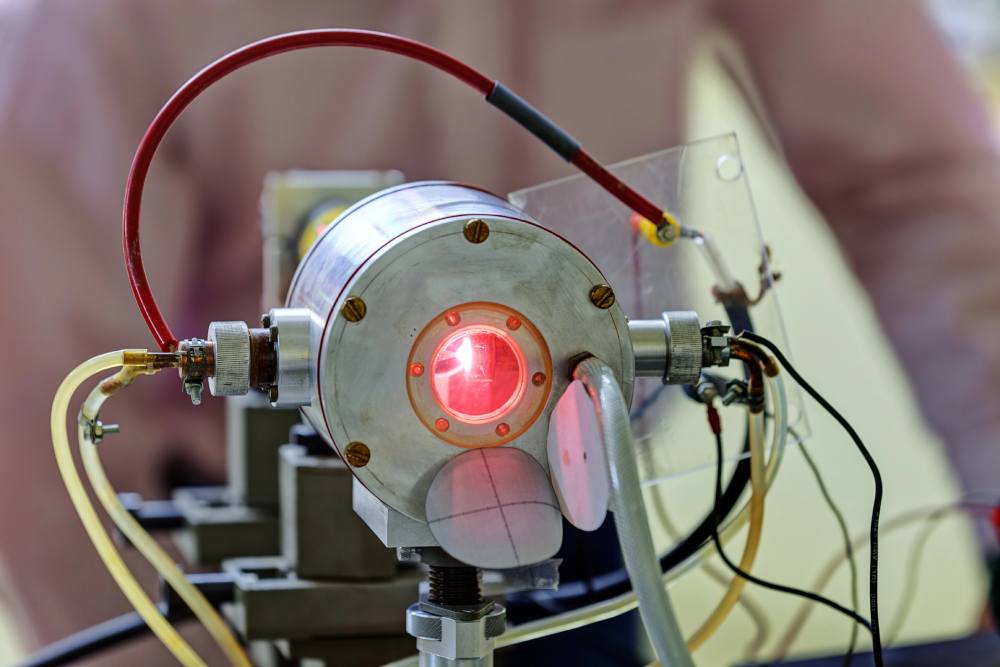
The conversation around infrared vs. laser technology can lead to a closer look at how light behaves across different wavelengths and why certain optical systems depend on precise shutter mechanisms to control that light.
In scientific, industrial, and medical applications, the wavelength used defines not only how energy is transmitted but also how components like shutters interact with the beam. Understanding the distinctions between infrared and visible laser systems can assist in examining the engineering behind high-performance laser shutters and optical beam shutters, which manage concentrated light.
What is Infrared and Laser Light?
Infrared light occupies the region of the electromagnetic spectrum just beyond visible red light. Its wavelengths are longer. This means it carries less energy per photon, yet it penetrates materials differently and is perfect for heat-based sensing and remote transmission.
On the other hand, laser light can occur at many wavelengths, including visible, infrared, ultraviolet, and beyond. What defines it is not color, but coherence. Every photon moves in phase with the others, creating an intense, directional beam. When comparing infrared systems to other laser setups, wavelength precision matters because optical components must match the intended energy profile.
Infrared systems frequently require materials that do not absorb heat easily. Visible and ultraviolet lasers may demand coatings designed to reflect or transmit specific frequencies. That is where laser shutter design comes into play, since the shutter must react instantly to high-energy pulses or continuous waveforms without distortion or timing drift.
The Need for Laser Shutters in Beam Control
In any advanced optical system, control of light is as important as its generation. Laser shutters and optical beam shutters serve as the main gatekeepers that modulate exposure, timing, and protection of sensitive components.
These devices interrupt or pass the beam according to electronic commands. This allows researchers, engineers, and manufacturers to execute precise measurements or material interactions.
A laser shutter designed for infrared light must consider the beam’s lower photon energy but potentially higher heat load. Things like mirrors, coatings, and blades are engineered to handle long-term exposure without degradation.
Shutters used for visible or ultraviolet lasers require rapid actuation and minimal inertia to maintain accuracy at high repetition rates. Both types share the same goal: to maintain clean, repeatable beam control within the optical path.
Material Selection and Wavelength Compatibility
Each wavelength interacts differently with the materials inside a shutter. Metals, coatings, and optical substrates can reflect or absorb depending on their surface structure. Infrared systems often use gold-coated elements because of their strong reflectivity at longer wavelengths. Dielectric coatings are preferred for visible and UV systems to prevent scattering or transmission loss.
The mechanical design of a shutter must also go with its application. For instance, a large aperture laser shutter accommodates beams with greater diameters used in high-power or research environments.
The challenge lies in maintaining uniform closure speed across the aperture, preventing hot spots or diffraction effects. A well-calibrated shutter system keeps the energy distribution consistent from edge to center and supports clean modulation without mechanical lag.
Precision in Timing and Control
Laser timing can be measured in microseconds or less. Therefore, a shutter’s performance depends a lot on actuation speed and repeatability. Infrared lasers may run in continuous-wave formats where shutter timing defines exposure intervals, while pulsed lasers demand synchronization between the light pulse and mechanical or electro-optical movement.
Modern optical laser shuttle systems use electromagnetically driven components that react faster than conventional mechanical shutters, reducing latency and improving pulse control.
In applications such as spectroscopy, lidar, or high-speed imaging, this responsiveness is necessary to obtain accurate data. Even minor delays can distort readings or cause unwanted thermal effects.
Each wavelength band requires its own tuning; infrared systems might need longer open times for heat measurement. Visible or UV systems favor brief, high-frequency openings for pulse experiments.
Customization and Application Diversity
Every industry uses laser technology differently. Some focus on cutting or welding; others rely on analysis, diagnostics, or communication. Because of that, custom and OEM laser shutters have become an industry standard. Manufacturers can specify aperture size, wavelength range, actuation method, and integration parameters to fit specialized systems.
In infrared applications, custom shutters might include heat-resistant mounts or cooling channels to reduce temperature drift. For visible and UV operations, lightweight materials minimize inertia to improve speed.
OEM designs can also include sensors that track position feedback or provide safety interlocks to protect instruments during alignment. Such custom development not only supports performance but also helps engineers meet industry requirements for precision and safety.
Comparing Infrared and Laser Applications
Infrared light is widely used in thermal imaging, environmental sensing, and fiber-optic communication. It can travel long distances through air or glass with minimal scattering – perfect for monitoring systems and industrial inspection. The challenge is in managing heat accumulation within optical pathways, where shutters must maintain durability and alignment over time.
Laser light in the visible and ultraviolet spectrum, by comparison, dominates in manufacturing, medicine, and research. These systems depend on speed and focus, requiring shutters that can handle high repetition rates and intense bursts of energy.
The difference between infrared and visible laser shutters reflects not only wavelength adaptation but also the thermal and temporal dynamics of each system.
Precision beam control facilitates applications from micro-cutting to fluorescence excitation. The choice between infrared and other laser wavelengths depends on the task’s energy requirements and material interaction characteristics. For instance, infrared energy may be great for heat treatment or spectroscopy, while visible and UV lasers do well in fine etching or optical trapping.
Engineering Advancements in Modern Laser Shutters
Modern shutter design has moved far beyond mechanical flaps. Contemporary systems use electromagnetic actuators, solid-state switches, and digital control modules that allow repeatable cycles in milliseconds. By reducing mechanical fatigue and improving alignment, these designs support greater longevity and accuracy across thousands of cycles.
Advances in motion control and precision machining allow shutters to operate quietly and consistently in demanding laboratory and production settings. The design process considers every variable: beam diameter, pulse energy, wavelength range, and timing sequence. This attention to engineering detail leads to instruments that function reliably under optical loads.
NM Laser Products’ Commitment to Innovation
NM Laser Products has spent more than three decades refining our technology to meet the high standards of modern optical systems. Our experience in developing infrared and laser shutter solutions has made us a trusted partner in laboratories, manufacturing facilities, and research institutions across the world.
Every component we produce is crafted in the USA, combining precise mechanical construction with proven reliability.
We know that each application is unique. That is why NM Laser Products offers customization options that allow engineers to match shutter design with specific wavelength and energy requirements.
From compact assemblies to large aperture laser configurations, our systems are engineered to deliver dependable performance where accuracy and timing are most important. Our optical laser shutter designs are known for their responsiveness, stability, and durability over extensive operation cycles.
Our expertise extends to custom and OEM laser development for clients who need personalized performance characteristics or integration into proprietary systems. Every shutter we design reflects our focus on precision engineering, longevity, and value.
We continue to research materials and control technologies that support both infrared and visible laser systems, advancing our position as a leader in optical modulation technology. If you have any questions about NM Laser Products or would like to discuss specific system requirements, feel free to reach out to us.
Our team is always ready to collaborate on solutions that meet the technical and operational goals of your project.
Related Blogs
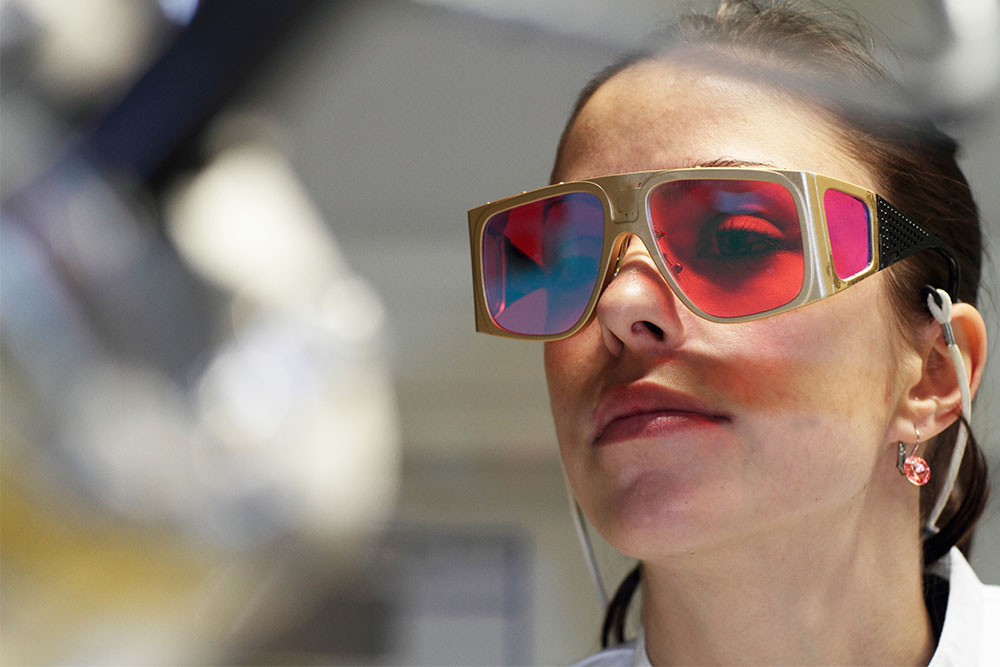
Understanding OD (Optical Density) In Laser Safety Protocols
Quick Summary Optical density ratings determine whether a piece of...
Read more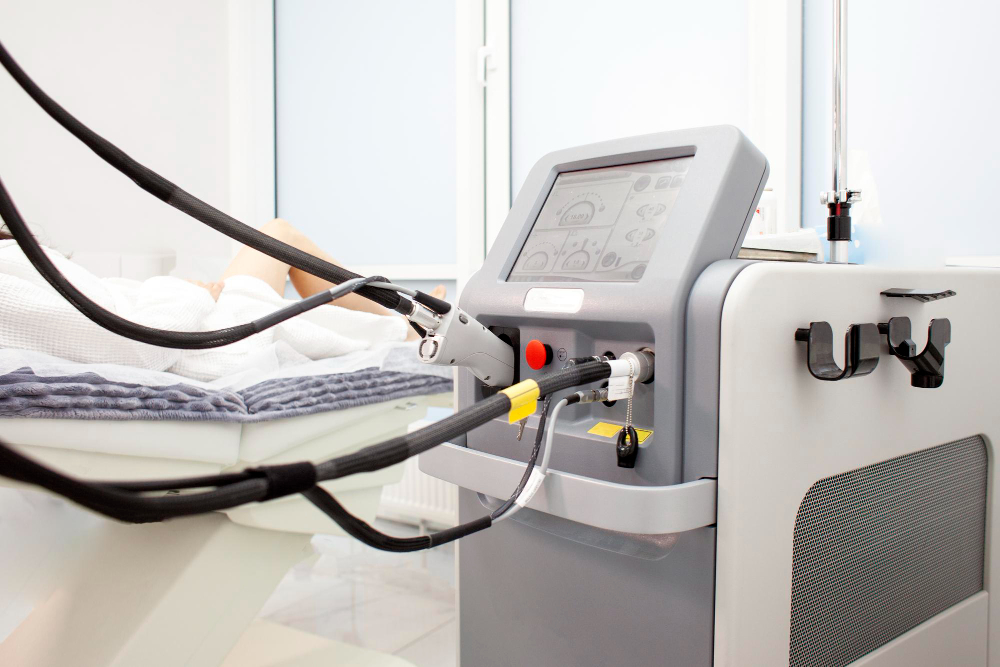
Understanding Long-Pulsed Nd:YAG Laser Technology
Quick Summary Pulse duration significantly influences how a laser ...
Read more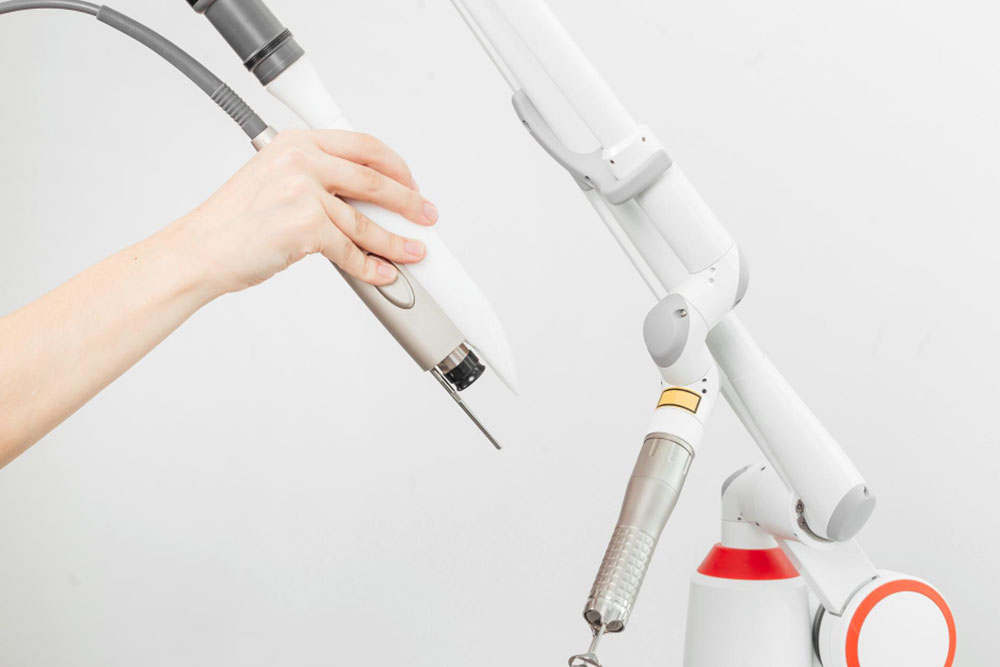
Nd:YAG Lasers Explained: How They Work And Their Practical Uses
Quick Summary This type of laser combines a neodymium-doped crysta...
Read more