Understanding Industrial Fiber Lasers: A Quick Guide
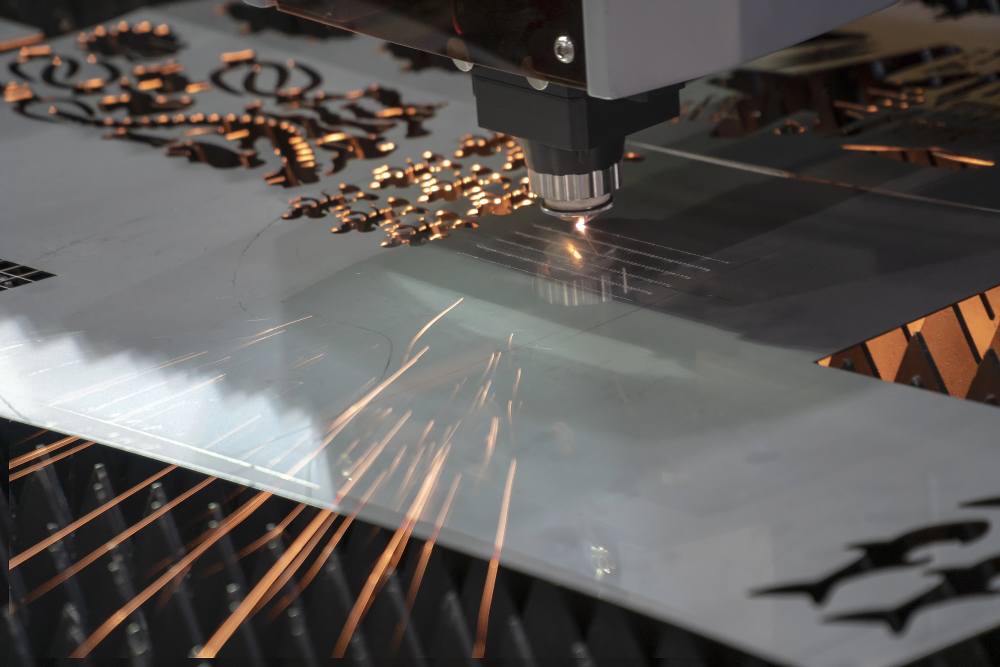
Industrial fiber lasers are transforming modern manufacturing with high-precision metal cutting, welding, and marking capabilities. These systems offer efficient energy use and long operational life.
Incorporating laser shutters and optical beam shutters allows controlled exposure. On the other hand, custom optical shutter components enhance flexibility in automated workflows.
What Are Industrial Fiber Lasers?
Industrial fiber lasers are advanced laser systems that use fiber optics to transmit concentrated light energy to a work surface.
Compared with traditional CO2 designs, they achieve higher electrical efficiency and require less routine maintenance. This configuration supports fast and accurate metal processing across cutting, engraving, and welding applications.
These lasers are widely used in manufacturing sectors that demand consistent results and operational reliability. The integration of laser shutters and optical beam shutters results in better control over beam exposure. Meanwhile, custom optical shutter components improve workflow efficiency and reduce downtime.
Key Components and Design Features
A typical industrial fiber laser system includes the fiber laser source, beam delivery optics, CNC interface, and power supply. The fiber guides the laser beam with minimal energy loss, while advanced optics focus it precisely for clean cuts and accurate markings.
Additional features often include protective housings, cooling units, and beam monitoring equipment. Laser shutters and optical beam shutters can regulate exposure during processing, and custom optical shutter solutions allow manufacturers to handle complex materials with improved safety and efficiency.
How Fiber Lasers Work in Metal Processing
Fiber lasers convert electrical energy into coherent light, which is focused onto the metal surface. This concentrated energy melts or vaporizes the material, creating precise cuts or engravings with minimal heat-affected zones.
The systems operate at high repetition rates, enabling rapid processing and reduced cycle times. Integration with custom optical shutter components or laser shutters and optical beam shutters allows operators to achieve controlled exposure during detailed or intricate designs.
Power Levels and Application Versatility
Fiber lasers come in power ranges from a few hundred watts to several kilowatts. Lower-power systems handle thin metals efficiently. Higher-power models cut thicker materials quickly and accurately.
This versatility makes fiber lasers suitable for various metals, including steel, aluminum, titanium, and copper. Applications include automotive fabrication, aerospace parts, electronics, and general metalworking, where speed, precision, and reliability are important.
Advantages over Traditional Laser Systems
Fiber lasers offer superior energy efficiency compared to CO2 and other conventional lasers. They have smaller footprints, longer lifespans, and require less maintenance, which makes them cost-effective for high-volume production.
Their precise beam quality and rapid modulation enable intricate designs without distorting the material. When combined with laser shutters and optical beam shutters, and custom optical shutter components, these systems improve cut quality and allow safe processing of reflective metals.
CNC Integration and Automation Benefits
Fiber lasers are often paired with CNC systems for automated cutting and marking. CNC interfaces see to it that there is repeatable positioning, consistent speed, and accurate control of the laser beam across complex patterns.
Automation improves throughput and reduces human error. Coupling fiber lasers with laser shutters and optical beam shutters puts additional control over material exposure, while custom optical shutter components can be configured for specialized production workflows.
Selecting the Right Fiber Laser for Your Operation
Selecting the right system requires evaluating material types, thickness, production volume, and operating environment. Matching laser power, beam quality, and CNC capabilities to production needs helps achieve reliable results.
Incorporating laser shutters and custom optical shutter solutions further enhances precision and flexibility. Working with knowledgeable vendors means that there is proper configuration, compatibility with existing equipment, and alignment with safety and operational standards.
Maximizing Performance and Longevity
To maintain high performance, regular maintenance and correct system setup are important. Proper beam alignment, clean optics, and controlled power levels extend operational life and maintain consistent quality.
Additional components, such as laser shutters, optical beam shutters, and custom optical shutter units, enhance control, safety, and efficiency. Regular calibration prevents errors, reduces wear, and helps maintain reliable production output over time.
Maintenance and Operational Best Practices
Regular maintenance is important to keep fiber lasers performing at their best. Cleaning optics, checking alignment, and monitoring power output help maintain cutting accuracy and extend system lifespan.
Using accessories like laser shutters, optical beam shutters, and custom optical shutter components enhances operational safety and precision. Scheduled inspections and proper setup reduce downtime and prevent costly errors. This translates to reliable performance in demanding manufacturing environments.
Harnessing the Potential of Industrial Fiber Lasers
Industrial fiber lasers combine precision, speed, and efficiency to meet the demanding needs of modern manufacturing. Their adaptability across metals, integration with CNC systems, and compatibility with laser shutters and custom optical shutter solutions make them powerful tools for any production environment. Thoughtful selection and proper maintenance maximize performance and reliability.
Do not hesitate to contact us at NM Laser Products to learn how industrial fiber lasers and custom solutions can optimize your metal processing operations.
Related Blogs
Class 4 Laser Safety Shutters: What You Need To Know
High-power laser systems operate in a space where precision and ris...
Read more
Choosing A High-Power Laser Shutter For Pulsed Applications
Selecting a high-power laser shutter for pulsed applications requir...
Read more
High-Energy Pulsed Laser Shutters: Uses And Benefits
Modern laser systems operate at energy levels where timing mistakes...
Read more