What Industries Use Custom Optical Shutters? A Look At Key Sectors
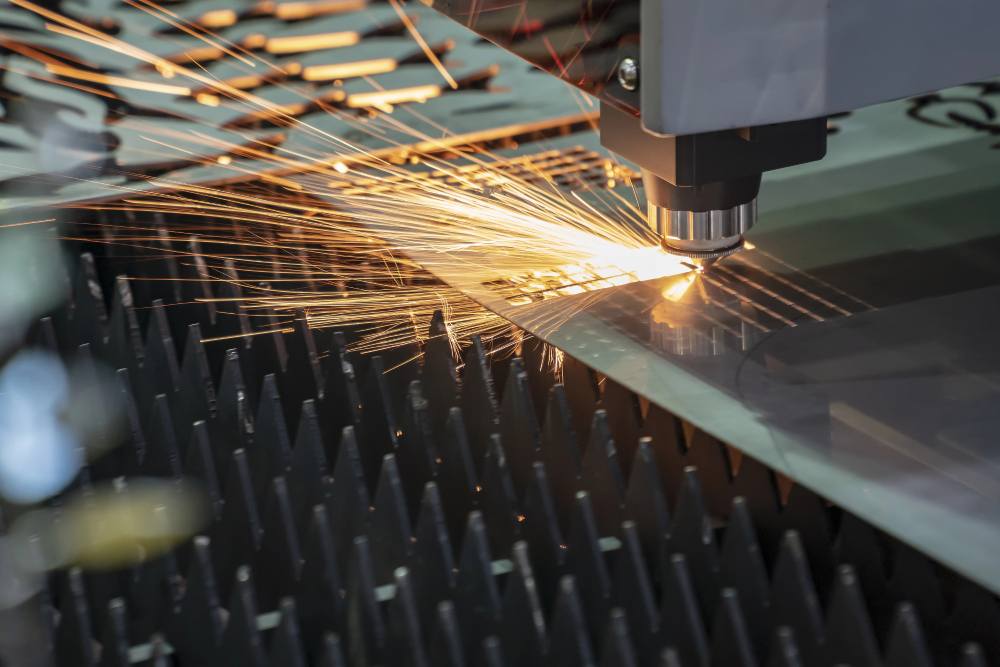
Custom optical shutters play a significant role in controlling light and laser exposure across advanced optical systems. Designed for precision, reliability, and safety, these components are made specifically for demanding environments where performance cannot be compromised.
From high-power lasers to sensitive imaging sensors, find out what industries use custom optical shutters for accuracy, protection, and consistent operational results.
Defense and Military Imaging Systems
Defense and military systems depend on a custom optical shutter for mission-critical reliability. Shutters shield sensors from sudden light exposure, enable accurate laser interruption, and contribute to targeting, surveillance, and ranging systems.
Designs must tolerate shock, vibration, temperature extremes, and harsh operating environments while maintaining fast response times and precise positioning during active use.
In military imaging and infrared applications, optical laser shutters are often integrated into thermal cameras for non-uniformity correction. These NUC shutters improve image consistency and calibration accuracy. Custom engineering addresses compatibility with classified platforms, strict safety criteria, and long operational lifecycles required by defense procurement programs across varied deployment scenarios.
Aerospace and Avionics Optical Platforms
Aerospace and avionics systems use optical shutters to manage light within navigation, sensing, and imaging equipment. Reliability is a must, as component failure can compromise flight safety. Shutters must perform consistently under extreme altitude, pressure changes, and temperature fluctuations experienced during aircraft and spacecraft operation cycles.
In satellites and airborne imaging platforms, optical shutters protect detectors during launch, calibration, and high-radiance exposure events. Custom designs support weight constraints, power limitations, and long-term durability.
These shutters contribute to accurate data capture in Earth observation, reconnaissance, and space-based scientific missions.
Industrial Laser Processing and Manufacturing
Industrial manufacturing environments rely on custom optical shutters to control laser beams used in cutting, welding, marking, and surface treatment. Shutters deliver rapid beam interruption for operator safety, process timing, and equipment protection. High cycle endurance and precise actuation are necessary to maintain productivity in automated production lines.
In industrial laser systems, shutters are often engineered for specific power levels, aperture dimensions, and response requirements. They reduce the risk of accidental exposure during maintenance or unexpected system events.
Rugged mechanical construction supports reliable operation in facilities exposed to dust, vibration, and continuous production schedules.
Medical and Surgical Laser Equipment
Medical laser systems depend on optical shutters for patient and operator safety. Shutters precisely control laser exposure during surgical, dermatological, and ophthalmic procedures. Reliable performance is important in order to meet regulatory standards and prevent unintended tissue damage during delicate medical treatments.
In diagnostic and therapeutic equipment, shutters may incorporate optical elements such as filters or reflective surfaces to direct light paths. Custom configurations accommodate compact device layouts and specialized treatment requirements. These shutters contribute to repeatable outcomes and alignment with global medical device certification standards.
Scientific Research and Laboratory Instrumentation
Research laboratories use optical shutters in experiments that demand precise control of light exposure. Fields such as physics, chemistry, and life sciences rely on accurate timing to maintain experimental integrity. Shutters coordinate with detectors, cameras, and data acquisition hardware to control exposure duration.
Custom shutter designs accommodate unique experimental setups, wavelengths, and environmental conditions. Low vibration and repeatable positioning are especially important in sensitive measurements. By tailoring shutters to specific research needs, laboratories achieve higher accuracy, reproducibility, and experimental flexibility.
Infrared and Thermal Imaging Systems
Infrared and thermal imaging systems commonly integrate custom optical shutters for calibration and sensor protection. NUC shutters periodically block incoming radiation, so the system can correct pixel non-uniformities. This process improves image quality and measurement reliability across temperature ranges.
Custom IR shutters are designed for fast actuation, minimal thermal impact, and long service life. They are widely used in security, industrial inspection, firefighting, and surveillance systems. Precision engineering helps with stable performance despite continuous exposure to thermal cycling.
Machine Vision and Optical Inspection
Machine vision systems use optical shutters to manage illumination during high-speed inspection tasks. Shutters help control exposure timing, reduce glare, and protect sensors from excessive light. These functions are needed in quality control and automated inspection processes.
In production lines, shutters must operate reliably at high cycle rates with minimal maintenance. Customization allows integration with specific cameras, lenses, and lighting systems. This improves defect detection accuracy and supports consistent performance in demanding industrial environments.
Spectroscopy and Analytical Measurement Systems
Spectroscopy systems depend on optical shutters to regulate light entering detectors during analysis. Precise exposure control improves signal quality and measurement accuracy. Shutters are required in applications such as chemical analysis, environmental monitoring, and material characterization.
Custom shutter solutions support different wavelengths, beam sizes, and timing requirements. Low vibration and stable positioning reduce noise and measurement error. These attributes make optical shutters indispensable components in high-precision analytical instrumentation.
Semiconductor and Photonics Equipment
Semiconductor and photonics manufacturing requires optical shutters for process control and equipment protection. Shutters manage laser exposure during lithography, inspection, and wafer processing steps. Precision and repeatability are vital in maintaining tight production tolerances.
Custom designs warrant compatibility with cleanroom environments and high-throughput tools. Shutters must operate reliably over millions of cycles without contamination or drift. Their role directly supports yield optimization and consistent performance in advanced electronics manufacturing.
Automotive and Autonomous Vehicle Systems
Automotive and autonomous vehicle systems increasingly rely on custom optical shutters within advanced driver-assistance systems (ADAS) and sensor platforms.
Shutters regulate light exposure for LiDAR, infrared cameras, and optical sensors. This regulation improves object detection accuracy, distance measurement, and environmental awareness under changing lighting conditions.
These optical shutters also protect sensitive sensors from sudden light saturation, dust, and thermal stress encountered during real-world driving. By enabling precise calibration and controlled exposure, these shutters contribute to safer navigation, improved sensor reliability, and consistent performance in both human-driven and fully autonomous vehicles.
Custom Optical Shutters Benefit a Lot of Industries
Custom optical shutters serve a wide range of sectors where precise light management, reliability, and safety are critical requirements. Defense, aerospace, medical, industrial, scientific, and automotive applications all rely on tailored shutter designs to optimize system performance.
As optical technologies continue advancing, understanding what industries use custom optical shutters becomes increasingly important as demand grows for specialized and application specific solutions.
To explore high-quality optical shutter solutions for industrial and research applications, contact us at NM Laser Products today.
Related Blogs
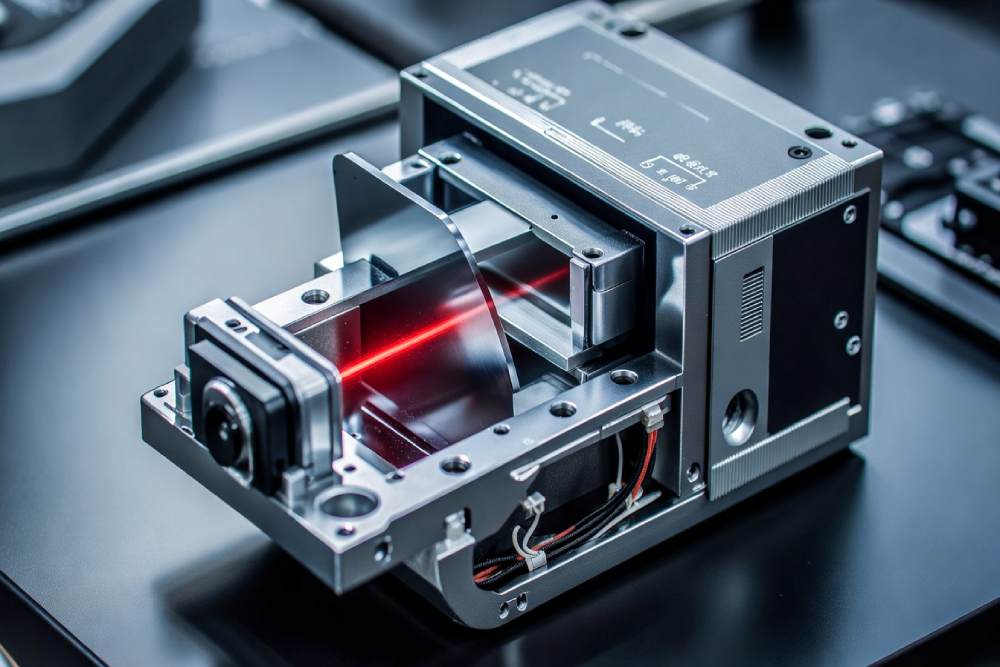
Class 4 Laser Safety Shutters: What You Need To Know
High-power laser systems operate in a space where precision and ris...
Read more
Choosing A High-Power Laser Shutter For Pulsed Applications
Selecting a high-power laser shutter for pulsed applications requir...
Read more
High-Energy Pulsed Laser Shutters: Uses And Benefits
Modern laser systems operate at energy levels where timing mistakes...
Read more