Industrial Laser Applications For Modern Manufacturing
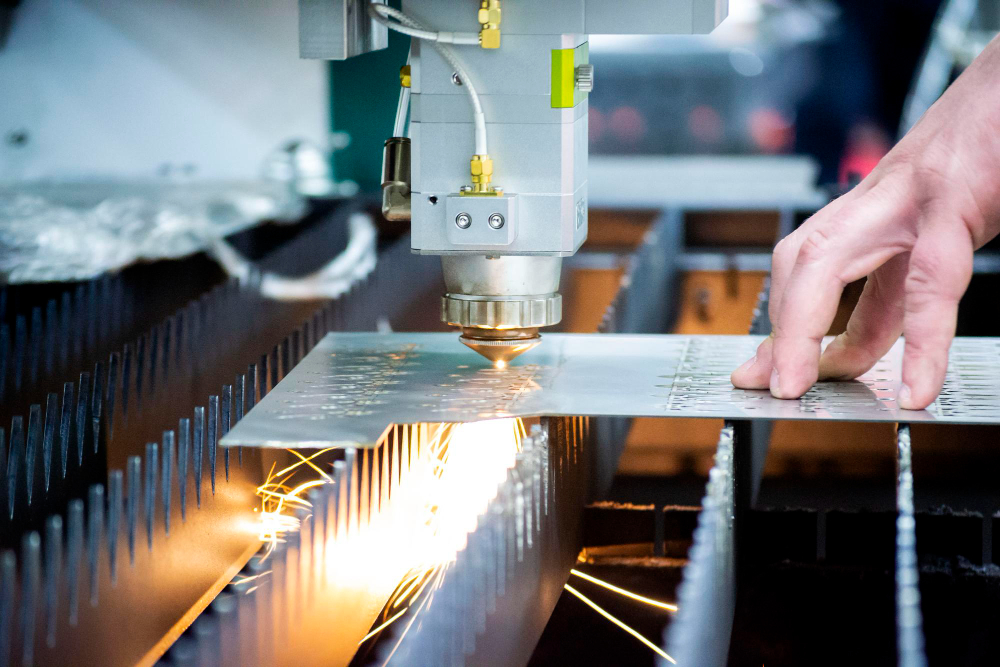
Modern manufacturing depends on speed, consistency, and tight control over materials. The following explains how laser-based processes support production goals and why component quality directly affects system performance.
Industrial laser applications continue to transform how manufacturers approach cutting, joining, marking, and surface treatment. These systems deliver focused energy with a level of control that traditional methods struggle to match.
Systems that rely on laser shutters and optical beam shutters require precise timing to regulate beam exposure during high-speed production cycles. This control supports repeatable output across large production volumes.
Accurate performance also depends on detailed alignment, beam properties, and polarization information. These all influence how energy interacts with different materials and how consistently results can be maintained.
Manufacturers using OEM and custom lasers often specialize systems to meet exact production requirements. Each configuration must match material characteristics, throughput goals, and environmental conditions.
Cutting and Material Processing
Laser cutting remains one of the most widely adopted uses in modern production. Focused beams allow manufacturers to cut metals, plastics, and composites with clean edges and minimal distortion.
Compared to mechanical cutting tools, laser systems reduce physical contact with the material. This helps limit wear on equipment and improves consistency across repeated operations.
Different materials require different parameters. Metals may need higher power levels, while thinner substrates respond to lower energy input. Matching the system to the application helps ensure efficient processing.
Many industrial laser machines are designed to handle a vast array of materials, making them adaptable to changing production needs.
Surface Preparation and Cleaning
Laser-based surface treatment removes contaminants without abrasive contact. This approach is used to prepare parts for coating, bonding, or further processing.
Traditional cleaning methods often introduce variability. Laser systems offer controlled energy delivery, which helps maintain consistent results across multiple parts.
Surface preparation is especially important in industries where bonding strength affects product performance. Clean, uniform surfaces contribute to better adhesion and fewer defects.
This application highlights how laser systems support quality control throughout the production process.
Marking and Identification
Laser marking provides permanent identification on any number of materials. Serial numbers, barcodes, and logos can be applied with high clarity and durability.
Unlike ink-based methods, laser marking does not fade or wear off easily. This makes it perfect for components that must retain identification over long service periods.
Marking systems can be worked into production lines, allowing parts to be labeled without interrupting workflow. This improves efficiency while maintaining traceability.
Laser marking flexibility extends across multiple sectors, including automotive production and medical device manufacturing.
Joining Through Industrial Laser Welding
Industrial laser welding offers a controlled way to join materials with minimal heat distortion. The focused beam creates strong bonds while limiting the impact on surrounding areas.
This method is used in applications where precision and strength are required. Thin materials, complex geometries, and sensitive components can all benefit from laser welding techniques.
Welding parameters must be carefully adjusted based on material type and thickness. Proper setup provides for consistent results and reduces the risk of defects.
Laser welding also supports automation, which allows manufacturers to maintain high production speeds without sacrificing quality.
Automation and Production Efficiency
Laser systems work well with automated production lines. Robotic systems can guide beams with high accuracy, allowing for repeatable operations across large volumes.
Automation reduces manual intervention, which helps maintain consistency and lowers the risk of human error. This is especially important in industries with strict quality standards.
Laser-based processes can also be adjusted quickly. This flexibility allows manufacturers to respond to changes in production requirements without extensive retooling.
Efficiency gains from automation contribute to faster turnaround times and improved overall productivity.
Built for Demanding Manufacturing Environments
We work with manufacturers who rely on consistent laser system performance every day. Our experience allows us to support applications where control and durability are necessary for maintaining production standards.
We design and manufacture laser shutters and optical beam shutters that operate with dependable timing and stability. Our products are made in the United States and built to handle high cycle demands, strong optical power levels, and long-term use.
We also support OEM and custom lasers with solutions that match specific manufacturing requirements. Our team focuses on delivering components that meet beam control needs, material interaction, and system reliability.
If you have any questions about NM Laser Products, Inc. or need assistance selecting the right shutter for your application, please contact us.
FAQs
How do laser systems improve production consistency?
Laser systems deliver controlled energy with repeatable accuracy, which helps maintain uniform results across large production runs.
Are laser systems suitable for high-volume manufacturing?
Yes. They work well with automation and can operate continuously, making them great for large-scale production environments.
What influences laser system performance?
Material type, beam characteristics, and system configuration all affect how effectively a laser performs in a given application.
Related Blogs
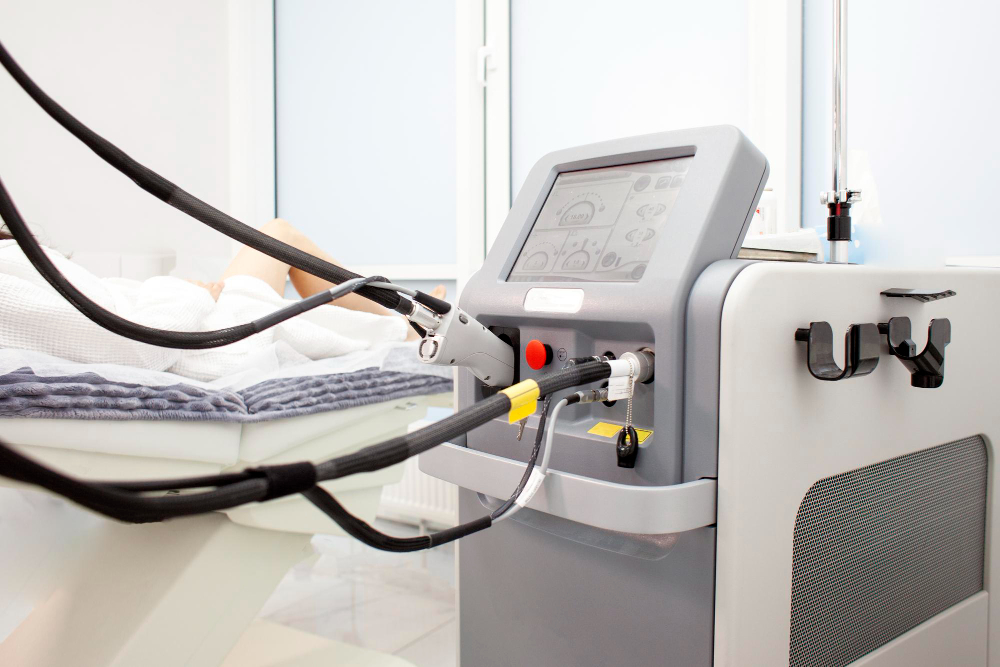
Understanding Long-Pulsed Nd:YAG Laser Technology
Quick Summary Pulse duration significantly influences how a laser ...
Read more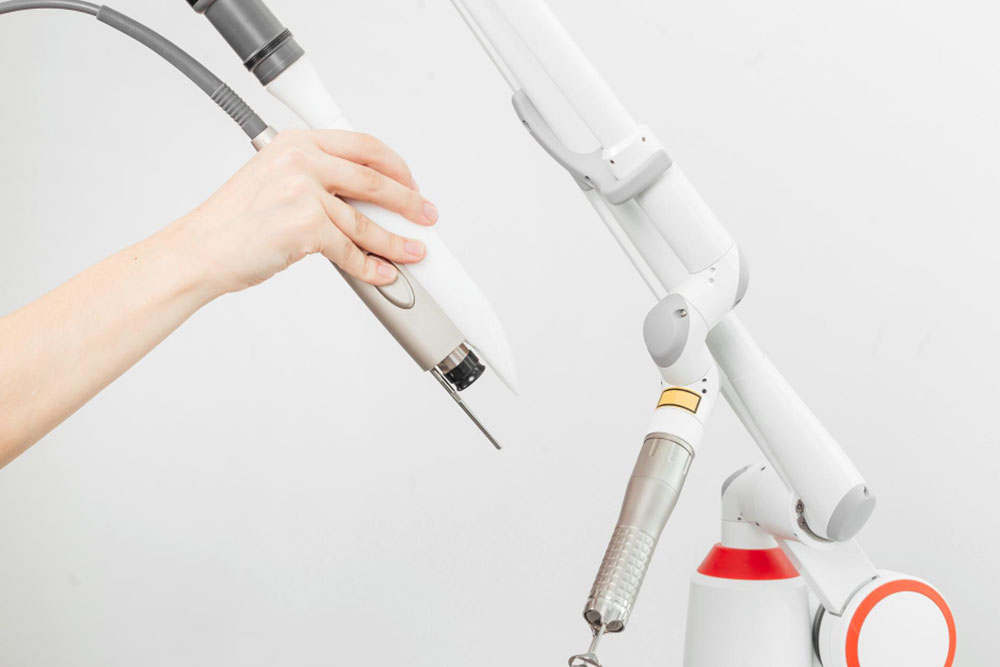
Nd:YAG Lasers Explained: How They Work And Their Practical Uses
Quick Summary This type of laser combines a neodymium-doped crysta...
Read more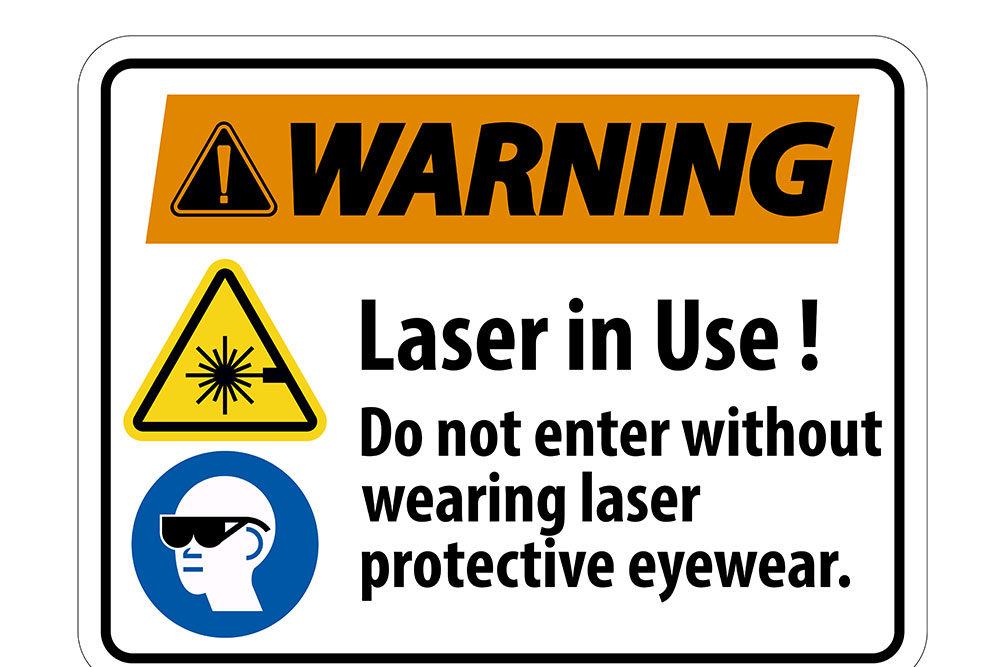
Essential Class 3R (IIIa) Laser Safety Information
Quick Summary Class 3R lasers present greater risks than their rel...
Read more