Industrial Laser Cleaning Applications
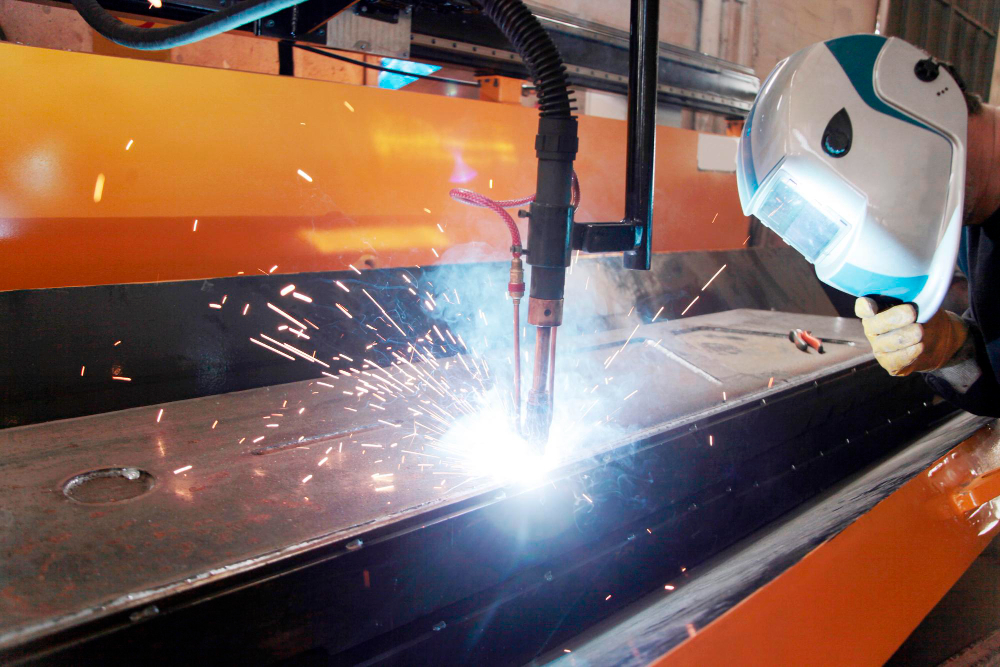
Industrial laser cleaning continues to gain traction across manufacturing and maintenance sectors due to its precision and controlled energy delivery. This examines how it is used, where it performs best, and why system components matter for consistent results.
Industrial laser cleaning has become a practical option for removing contaminants without mechanical abrasion or chemical exposure. It uses focused light energy to lift rust, coatings, or residue from a surface while preserving the underlying material.
Systems that incorporate laser shutters and optical beam shutters rely on precise timing to control beam exposure during cleaning cycles. This level of control helps maintain repeatability, especially in automated environments where consistency is expected.
Performance depends heavily on accurate alignment, beam properties, and polarization information. These influence how energy interacts with a surface and determine how efficiently contaminants are removed.
Manufacturers working with OEM and custom lasers may need cleaning systems to match material types, contamination levels, and production speeds. Each configuration must line up with the operational goals of the facility.
How Laser Cleaning Removes Contaminants
Laser cleaning works through rapid energy absorption. When a surface contaminant absorbs laser energy, it heats quickly and separates from the base material. The underlying substrate remains intact when parameters are correctly set.
Different materials respond at different rates. Oxides, paint, grease, and coatings each require specific wavelength and power settings. This is why system calibration is closely tied to application requirements.
A well-configured industrial laser cleaning machine can remove layers with high precision. It avoids the surface damage often associated with abrasive methods.
The process also produces minimal secondary waste. Removed material typically vaporizes or becomes fine particulate, which can be captured with appropriate filtration systems.
Common Applications Across Industries
Industrial environments use laser cleaning for a lot of tasks. In manufacturing, it is applied to prepare surfaces for welding or bonding. Removing contaminants improves adhesion and reduces defects.
In the automotive sector, it is used to clean molds, remove coatings, and prepare components for assembly. Consistency in these processes supports higher product quality.
Aerospace applications often require strict surface preparation standards. Laser cleaning meets these expectations by delivering controlled results without introducing foreign materials.
Power generation facilities use it to maintain equipment, remove corrosion, and extend the life of important components. Each use case highlights how adaptable the technology can be.
Advantages Over Traditional Cleaning Methods
Traditional cleaning methods often involve chemicals, abrasive blasting, or manual scraping. These approaches can introduce inconsistent results and require additional handling steps.
Laser cleaning offers a more controlled alternative. Energy delivery can be adjusted with precision, which reduces the risk of over-cleaning or damaging sensitive surfaces.
The absence of chemical agents simplifies waste management. Facilities can reduce disposal requirements and limit exposure to hazardous materials.
Consistency is another advantage. Automated systems can repeat the same cleaning pattern across multiple parts, supporting uniform results in production environments.
The Function of Optical Control in Cleaning Systems
Laser cleaning systems depend on accurate beam control. Components such as shutters regulate when and how the beam interacts with the target surface.
Timing becomes especially important in automated processes. A slight delay or inconsistency can affect cleaning quality and throughput.
Optical components must also handle repeated cycling without performance loss. Materials used in these parts need to tolerate high-energy exposure while maintaining stability.
Reliable control systems help maintain consistent cleaning patterns, which is imperative for high-volume production.
Material Considerations in Cleaning Applications
Not all materials respond to laser cleaning in the same way. Metals, composites, and coated surfaces each require different energy levels and exposure times.
Surface reflectivity can influence how much energy is absorbed. Highly reflective materials may require adjustments to achieve effective cleaning.
Thermal properties also affect results. Materials that dissipate heat quickly may require higher energy input, while those with lower thermal conductivity may respond more rapidly.
Recognizing these characteristics helps determine the best configuration for a given application.
Scaling with Industrial Laser Cleaning Equipment
Large-scale operations often rely on advanced industrial laser cleaning equipment to meet production demands. These systems are designed to handle continuous use while maintaining consistent output.
Automation contributes greatly to scaling. Robotics allows systems to clean complex geometries with repeatable accuracy.
Equipment selection depends on considerations such as part size, contamination type, and throughput requirements. Each system must match the operational goals of the facility.
Durability is another consideration. High-cycle environments require components that can operate reliably over extended periods without degradation.
Use in Production Lines
Modern manufacturing environments often incorporate laser cleaning directly into production lines. This reduces handling time and supports faster processing.
Inline systems can clean parts immediately before assembly or finishing. This approach improves workflow efficiency and reduces the need for separate cleaning stations.
Integration also supports better quality control. Consistent cleaning conditions lead to more predictable results, which is important for maintaining product standards.
Careful system design helps guarantee that cleaning operations line up with overall production requirements.
Long-Term Performance and Reliability
Reliability remains a top priority in industrial settings. Laser cleaning systems must deliver consistent results over time without frequent maintenance interruptions.
Component quality is indispensable in achieving this goal. Optical elements, shutters, and control systems must maintain performance under repeated use.
Wear can occur gradually, especially in high-cycle applications. Selecting components designed for durability helps extend system life and reduce downtime.
A well-built system supports stable operation, which is needed for maintaining production schedules and meeting quality expectations.
Dependable Solutions for Industrial Laser Systems
We work with organizations that demand consistent performance from their laser systems. Our experience in optical control allows us to support applications where precision and reliability are non-negotiable.
We design and manufacture laser shutters and optical beam shutters that operate with repeatable accuracy in demanding environments. Our products are made in the United States and built for long cycle life, high optical power handling, and dependable performance over time.
We also support OEM and custom lasers with solutions that go well with specific cleaning applications. Our team focuses on delivering components that match system requirements, from beam control to mechanical durability.
If you have any questions about NM Laser Products, Inc. or need assistance selecting the right shutter for your system, please reach out to us.
FAQs
What types of contaminants can laser cleaning remove?
Laser cleaning can remove rust, paint, grease, oxides, and various coatings from metal and other surfaces.
Is laser cleaning suitable for delicate materials?
It can be used on sensitive substrates when system parameters are carefully controlled to avoid surface damage.
How does laser cleaning affect surface finish?
When configured correctly, it preserves the base material while removing unwanted layers, maintaining the original finish.
Related Blogs

7 Benefits Of UV Laser Marking For Sensitive Materials
Quick Summary UV laser marking creates permanent, high-contrast ma...
Read more
A Guide To UV Laser Singulation For Precision Cutting
Quick Summary UV laser singulation uses short, high-energy pulses ...
Read more
Benefits Of CO2 Dental Lasers In Modern Dentistry
Quick Summary CO2 dental lasers cut and coagulate soft tissue at t...
Read more