How Material Affects Laser Wavelength And Performance
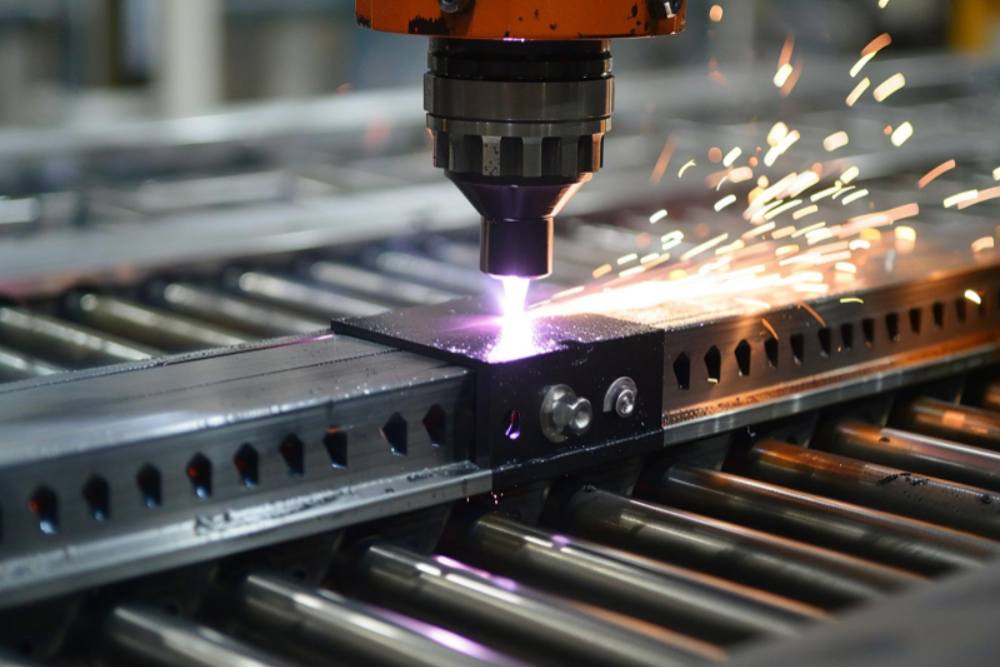
Material selection shapes how lasers behave, from wavelength interaction to beam stability and output quality. Here, we’ll explain how different materials influence performance and why precision components matter in demanding environments.
The relationship between laser wavelength vs. material directly affects how energy is absorbed, reflected, or transmitted within a system. Each material responds differently to specific wavelengths, which influences output consistency, thermal effects, and long-term stability.Engineers working with laser shutters and optical beam shutters must account for these interactions early in the design phase. Material choice impacts not only optical behavior, but also durability when exposed to repeated cycling or high-power beams.Applications that rely on OEM and custom lasers often require highly specific material pairings to meet strict performance criteria. A mismatch between wavelength and substrate can lead to energy loss, beam distortion, or premature wear in optical components.
Precise control depends on accurate alignment, beam properties, and polarization information. These factors interact with material characteristics to determine how effectively a system maintains consistency under real-world conditions.
Material Response to Different Wavelengths
Every material has a unique absorption spectrum. Metals, ceramics, and specialized coatings each respond differently depending on the wavelength in use.
Shorter wavelengths tend to interact more strongly with surface layers, while longer wavelengths may penetrate deeper into the material.
For instance, reflective metals can handle certain wavelengths with minimal absorption, which reduces heat buildup. In contrast, polymers may absorb more energy at the same wavelength, increasing the risk of deformation or degradation over time.
This is where the concept of laser wavelength vs. material becomes important. Selecting the wrong combination can introduce inefficiencies that affect both output quality and system lifespan.
Thermal conductivity also plays a part. Materials that dissipate heat effectively help maintain stable operation during continuous use. Poor thermal handling, on the other hand, can lead to localized stress and eventual failure.
Optical Properties and Beam Interaction
Laser systems depend heavily on predictable optical behavior. Refractive index, reflectivity, and transmissivity all influence how a beam travels through or across a material surface.
A common question in this context is whether laser light is monochromatic. Although many lasers operate within a narrow spectral range, real-world systems often show slight shifts in wavelength. Those shifts can interact differently with materials, especially in applications requiring tight tolerances.
Surface coatings are frequently used to fine-tune these interactions. Anti-reflective coatings, for example, reduce energy loss, while high-reflectivity coatings direct beams more efficiently within optical assemblies.
Material uniformity also affects beam consistency. Even small inconsistencies in composition or structure can scatter light, which reduces precision in applications such as measurement or imaging.
Mechanical Durability Under Repeated Use
Laser systems in industrial or scientific environments often operate continuously. Components must endure millions of cycles without performance degradation.
Material strength and fatigue resistance are central to this requirement. Metals with high endurance limits maintain structural integrity over time, while certain composites offer a balance between strength and weight.
In shutter systems, rapid actuation places additional stress on moving parts. Materials must maintain dimensional stability while resisting wear caused by repeated motion and exposure to high-energy beams.
Poor material selection can lead to drift in positioning, which affects beam alignment and overall system accuracy. Over time, even slight deviations can impact results in sensitive applications.
Thermal Management and Stability
Heat generation is unavoidable in laser systems. The way materials handle that heat determines whether performance remains consistent or begins to fluctuate.
Materials with high thermal conductivity distribute heat more evenly, reducing hotspots. This helps maintain stable optical properties and prevents damage to surrounding components.
Thermal expansion is another thing that cannot be overlooked. When materials expand at different rates, mechanical stress can develop within the system. This may alter alignment or introduce microfractures that compromise performance.
Selecting materials with compatible thermal characteristics reduces these risks and supports long-term reliability.
Precision Requirements in Advanced Applications
Medical devices, semiconductor manufacturing, and research systems demand extremely tight tolerances. In these environments, even minor inconsistencies can lead to unacceptable results.
Material purity becomes especially important. Impurities can affect optical clarity, absorption rates, and structural behavior under stress.
Surface finish also contributes to precision. Smooth, well-controlled surfaces minimize scattering and support accurate beam delivery.
The interaction between laser wavelength vs. material must be carefully evaluated to meet these standards. This includes considering how materials behave under differing environmental conditions, such as temperature shifts or prolonged exposure to high-intensity light.
Why Customization Matters in Laser Systems
Standard components may not always meet the demands of specialized applications. Customization allows engineers to match materials, coatings, and mechanical designs to specific operational requirements.
Customized solutions help tackle challenges related to wavelength compatibility, thermal performance, and durability. This level of precision is often necessary in systems where performance margins are tight.
Customization also supports integration into complex assemblies. Components must fit with existing system architecture while maintaining consistent operation under demanding conditions.
The Impact on Long-Term System Reliability
Reliability is not just about immediate performance. It involves maintaining consistent results over extended periods of use.
Material degradation can occur gradually. Exposure to high-energy beams, thermal cycling, and mechanical stress all contribute to wear.
Choosing materials that resist these effects extends the operational life of a system. This reduces downtime, maintenance costs, and the risk of unexpected failures.
A strong grasp of the laser wavelength vs. material concept helps guide these decisions, so that systems remain dependable even in high-demand environments.
Precision Materials Allow For Better Laser Outcomes
We work closely with engineers and system designers who demand consistency from every component. Our experience with laser shutters and optical solutions allows us to support applications where material performance directly affects results.
We focus on delivering high-reliability products built for long-term use. Our laser shutters and optical beam shutters are manufactured in the United States and designed to handle demanding environments with confidence.
From high optical power handling to extended cycle life, we build components that align with real-world performance expectations.
If your system requires specialized solutions, we also support OEM and custom lasers with designs matched to your specifications. Our team knows the importance of precise material selection and how it impacts wavelength interaction, thermal behavior, and mechanical durability.
If you have any questions about NM Laser Products, Inc. or need guidance on selecting the right shutter for your application, please reach out to us.
FAQs
How does material affect laser efficiency?
Material determines how much energy is absorbed, reflected, or transmitted. The wrong choice can reduce output strength or create unwanted heat buildup.
Why is wavelength compatibility important in laser systems?
Different wavelengths interact with materials in unique ways. Matching them correctly helps maintain beam quality and prevents performance loss.
Can material selection impact maintenance frequency?
Yes. Materials that resist wear, heat, and optical degradation usually require less frequent maintenance and offer longer service life.
Related Blogs
Why You Should Consider An LCD Optical Shutter
Quick Summary Liquid crystal shutters block and transmit light thr...
Read more
Why Choose A CO2 Laser Shutter Manufacturer For Your Business Needs
Quick Summary Selecting a manufacturer for CO2 laser shutter compo...
Read more
Why Adjusting The Diagonal On Your CO2 Laser Machine Matters
Quick Summary How well a CO2 laser machine's beam tracks acro...
Read more