The Fundamentals Of Industrial Laser Power: What To Know
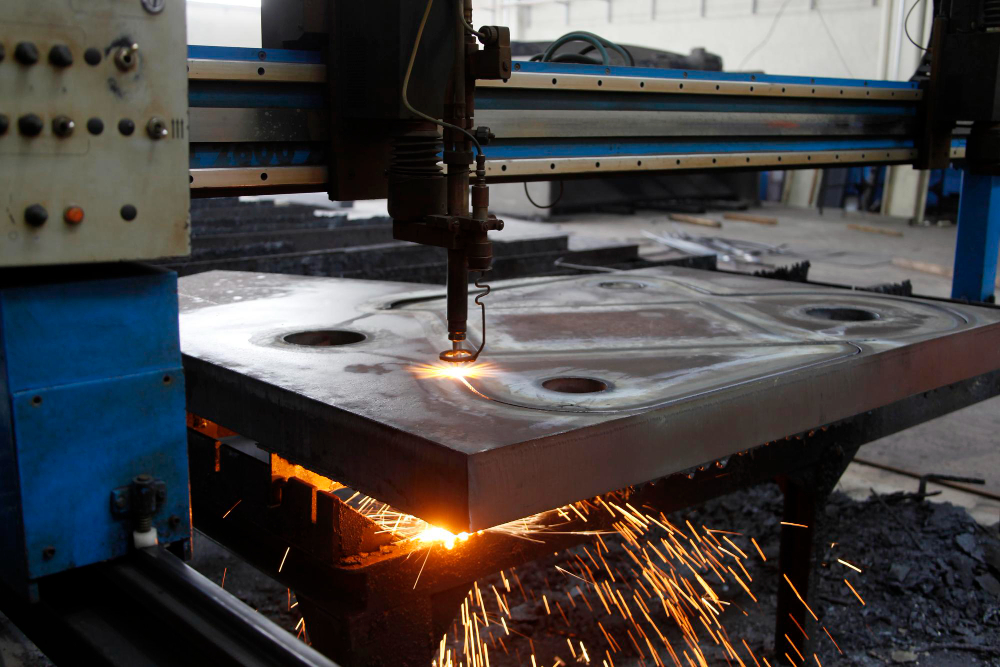
Industrial laser systems depend heavily on controlled energy delivery to achieve consistent results. This article explains the core principles behind power levels, system behavior, and why component selection directly affects performance.
Industrial laser power refers to the amount of optical energy delivered by a laser system over time, typically measured in watts. This value determines how effectively a beam interacts with different materials and how quickly processes can be completed.
Within an industrial laser, power output must be carefully managed to match the intended application. Too little energy results in incomplete processing, while excessive power can damage materials or reduce accuracy.
In advanced setups using OEM and custom lasers, power specifications are often uniquely precise to match specific production requirements. Each system is configured to balance output strength with material compatibility and operational goals.
Accurate system behavior also depends on precise alignment, beam properties, and polarization information. These influence how energy is distributed across a surface and how efficiently it is absorbed.
Systems that incorporate laser shutters and optical beam shutters depend on controlled exposure timing to regulate how much energy reaches a target surface. This control helps maintain consistent results across repetitive operations.
How Laser Power Influences Material Interaction
Laser power directly affects how materials respond during processing. Higher power levels increase energy density, which can lead to faster cutting, welding, or ablation.
Lower power settings are used when delicate processing is required. This helps prevent overheating and maintains structural integrity in sensitive materials.
Different materials respond uniquely to changes in power. Metals, plastics, and ceramics each require specific energy levels to achieve optimal results.
In the broader laser industry, knowing about these interactions is important for designing systems that perform reliably across diverse applications.
Continuous vs. Pulsed Power Delivery
Laser systems can operate in continuous wave or pulsed modes. Each method delivers power differently and serves distinct purposes.
Continuous wave systems provide a steady output, which is useful for applications requiring uniform energy distribution. This is often seen in cutting and welding operations.
Pulsed systems deliver energy in short bursts. This allows for high peak power without sustained heat buildup, making it suitable for precision marking and micro-processing.
The choice between these modes depends on application requirements and material sensitivity. Both approaches rely on careful calibration to maintain consistent performance.
Thermal Effects and Energy Control
Power levels directly influence thermal behavior during laser processing. Excess energy can lead to heat-affected zones, which may alter material properties.
Proper control of laser power helps minimize unwanted thermal distortion. This is especially important in applications where structural integrity must be preserved.
Cooling systems and beam management techniques are often used to maintain stable operating conditions. These systems work together to help guarantee consistent output over time.
Careful energy control supports better surface quality and reduces the likelihood of defects.
Beam Characteristics in Power Delivery
Beam characteristics strongly shape how laser power is delivered and distributed. Spot size, divergence, and intensity distribution determine how energy interacts with a target.
A tightly focused beam concentrates power into a smaller area, increasing energy density. A wider beam distributes power more evenly, which can be useful for surface treatments.
Polarization also affects how energy is absorbed or reflected. Certain materials respond differently depending on the orientation of the beam.
Recognizing these characteristics helps engineers optimize system performance for specific tasks.
System Stability and Long-Term Performance
Maintaining stable laser power over time is necessary for consistent operation. Fluctuations in output can lead to uneven processing and reduced product quality.
Component durability matters greatly in system stability. Optical elements, power supplies, and control systems must all function reliably under continuous use.
Wear and environmental influences can gradually affect performance. Regular monitoring and proper system design help maintain consistent output levels.
Stable power delivery supports predictable results across long production cycles.
Integration in Modern Manufacturing Systems
Laser systems are frequently worked into automated manufacturing environments. Power control becomes even more important in these settings due to high production speeds.
Automation allows precise adjustment of power settings based on material type and processing stage. This flexibility improves efficiency and reduces waste.
Systems can also adjust power dynamically during operation. This helps to ensure consistent results even when processing conditions change.
Integration with digital controls supports better monitoring and system optimization.
Importance of Customization in Power Management
Not all applications require the same level of laser power. Customization allows systems to be fine-tuned for specific tasks.
In OEM configurations, power output is matched to application requirements such as cutting depth, welding strength, or marking clarity.
Custom systems also figure in environmental conditions and material differences, helping maintain consistent performance across changing operating conditions.
Flexibility in power management supports broader application use and improved system adaptability.
Reliability in High-Demand Environments
Industrial environments require systems that can operate continuously without performance degradation. Laser power stability is imperative in achieving this reliability.
High-cycle applications place constant demand on system components. Maintaining consistent energy output helps prevent downtime and supports efficient production.
Durable design and proper thermal management contribute to long-term system reliability. In the laser industry, reliability remains a major requirement for competitive performance.
Built for Consistent Laser Power Performance
We work with engineers and manufacturers who depend on stable laser performance in demanding environments. Our experience allows us to support applications where controlled energy delivery is essential for success.
We design and manufacture laser shutters and optical beam shutters that provide precise control over laser exposure. Our products are built in the United States and engineered for long cycle life, high optical power handling, and consistent performance.
We also support OEM and custom lasers with solutions tailored to specific system requirements. Our focus is on delivering components that maintain stability, support accurate beam control, and perform reliably over time.
If you have any questions about NM Laser Products, Inc. or need assistance selecting the right shutter for your system, please contact us today.
FAQs
What determines laser power output in a system?
Laser power output is determined by the energy source, optical design, and system configuration.
How does laser power affect material processing speed?
Higher power levels generally increase processing speed, while lower levels provide more controlled precision.
Why is power stability important in laser systems?
Stable power helps guarantee consistent results, reduces defects, and improves overall system reliability.
Related Blogs

Understanding OD (Optical Density) In Laser Safety Protocols
Quick Summary Optical density ratings determine whether a piece of...
Read more
Understanding Long-Pulsed Nd:YAG Laser Technology
Quick Summary Pulse duration significantly influences how a laser ...
Read more
Nd:YAG Lasers Explained: How They Work And Their Practical Uses
Quick Summary This type of laser combines a neodymium-doped crysta...
Read more