UV Laser Vs. Green Laser: Navigating The Differences
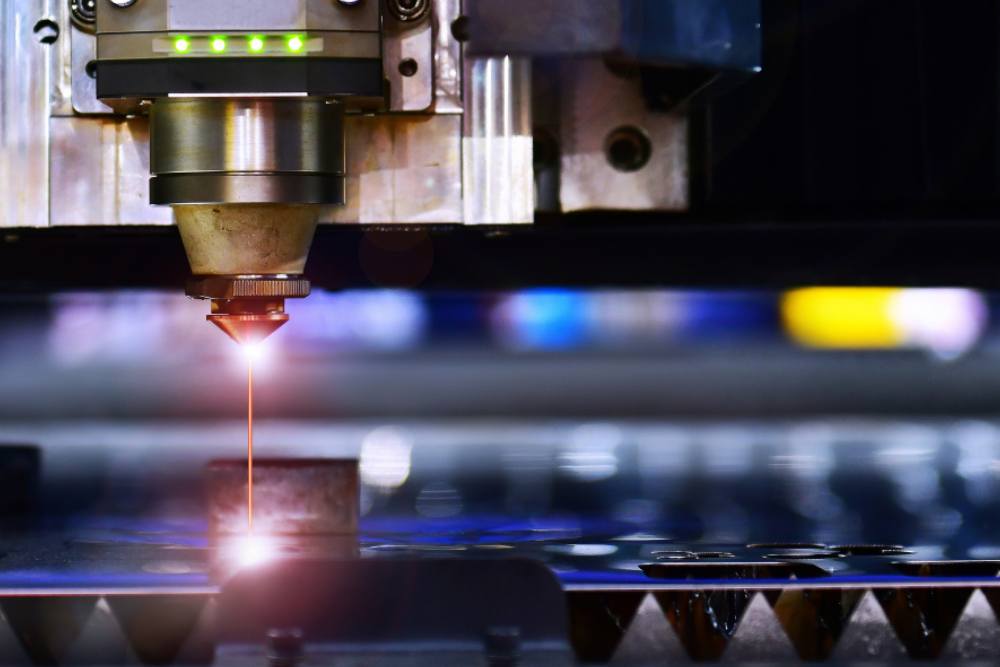
Ultraviolet and green lasers serve very different purposes despite both being widely used in precision environments. This article breaks down how each operates, where each fits best, and how system components influence performance.
The comparison of UV laser vs. green laser starts with wavelength differences and how those wavelengths interact with materials. Ultraviolet lasers operate at much shorter wavelengths than green lasers, which leads to distinct absorption behavior and surface interaction.
Engineers working with laser shutters and optical beam shutters must account for these wavelength differences when selecting components that can handle differing energy levels and exposure conditions.
Systems that rely on UV laser shutters require materials designed to tolerate high photon energy while maintaining consistent response over repeated cycles.
Accurate results depend on detailed alignment, beam properties, and polarization information. These things influence how each laser type performs in real-world applications and how effectively the beam can be controlled.
Wavelength Differences and Material Interaction
Ultraviolet lasers typically operate in the 200 to 400 nanometer range, while green lasers are commonly centered around 532 nanometers. This difference affects how energy is absorbed at the surface level.
Shorter wavelengths from UV systems tend to interact with the outermost layer of a material. This allows for fine feature processing with minimal thermal spread. Green lasers, with slightly longer wavelengths, can penetrate deeper depending on the material.
This contrast defines much of the UV laser vs. green laser discussion. One favors surface precision, while the other balances penetration with controlled energy delivery.
Material selection must match these characteristics. Some substrates respond more efficiently to ultraviolet exposure, while others perform better under green wavelengths.
Precision and Feature Resolution
UV lasers are frequently selected for applications that demand extremely fine detail. Their shorter wavelength supports smaller spot sizes, which allows for high-resolution processing.
This capability is valuable in industries such as microelectronics, medical device manufacturing, and precision marking. Fine patterns and delicate structures can be produced with minimal distortion.
Green lasers also support precise work, yet they are typically used when slightly deeper interaction is needed. This makes them suitable for applications like marking, engraving, or processing materials that require more energy below the surface.
The choice between these two options depends on the level of detail required and how the material responds to each wavelength.
Thermal Effects and Material Integrity
Heat management is a major consideration in laser applications. UV lasers often generate less thermal impact due to their interaction at the surface level. This reduces the likelihood of heat-affected zones.
Green lasers introduce more thermal energy into the material. This can be beneficial in processes where controlled melting or bonding is required. However, it also requires careful parameter control to avoid unwanted deformation.
In the context of UV vs. fiber laser, ultraviolet systems generally offer finer control for delicate work, while fiber lasers, which often operate in the infrared range, deliver higher power for heavier processing tasks.
Each option has a distinct place depending on the application and material requirements.
Optical Component Requirements
Different wavelengths place unique demands on optical components. Materials used in shutters, lenses, and coatings must be compatible with the energy characteristics of the laser.
UV systems require components that resist degradation from high-energy photons. This includes specialized coatings and materials that maintain performance over time.
Green laser systems, while less demanding in terms of photon energy, still require precise optical alignment and stable components to maintain beam quality.
The selection of components directly affects system reliability and output consistency.
The Importance of Beam Control
Beam control is central to both UV and green laser systems. Shutters regulate exposure time and help maintain repeatable results.
In high-speed applications, even slight inconsistencies in shutter response can affect output quality. This makes component reliability a priority.
Optical control systems must also stay properly positioned under continuous operation. Mechanical stability and material durability contribute to consistent performance.
Proper beam control supports predictable results across a number of applications.
Material Compatibility and Application Fit
Not all materials respond equally to UV or green lasers. Some plastics and polymers absorb ultraviolet wavelengths more effectively, making UV systems a preferred option for fine marking or micro-processing.
Metals and certain composites may respond better to green lasers, especially when deeper interaction is required. This makes green systems suitable for engraving or surface modification tasks.
UV laser glass presents another consideration. Materials used in optical paths must transmit ultraviolet light with minimal loss while resisting damage from prolonged exposure.
Selecting the right laser type involves evaluating how materials behave under different wavelengths and energy levels.
Reliability in High-Cycle Environments
Industrial and scientific applications often require continuous operation. Components must maintain performance over millions of cycles.
UV systems can place additional stress on optical materials due to higher photon energy. This makes durability imperative in component selection.
Green laser systems also require reliable components, especially in applications involving repeated exposure and mechanical cycling.
Consistency over time supports better system performance and reduces maintenance requirements.
Choosing Between UV and Green Lasers
The decision between UV and green lasers depends on several factors. Application requirements, material compatibility, and desired outcomes all influence the choice.
UV lasers are often selected for high-precision tasks with minimal thermal impact. Green lasers offer versatility for applications that require deeper interaction or controlled energy delivery.
The UV laser vs. green laser comparison highlights the importance of matching the laser type to the intended use. A well-matched system delivers better results and supports long-term reliability.
Careful evaluation helps make sure that the chosen solution meets operational goals and performance expectations.
Precision Components for Demanding Laser Applications
We work with engineers and system designers who require dependable performance from their laser systems. Our experience with optical control components allows us to support applications where precision and consistency matter.
We design and manufacture laser shutters and optical beam shutters that perform reliably under demanding conditions. Our products are made in the United States and built for high cycle life, strong optical power handling, and consistent operation.
We also offer UV laser shutters designed to handle the specific challenges associated with ultraviolet wavelengths. These components are engineered to maintain performance while resisting degradation over time.
If you have any questions about NM Laser Products, Inc. or need assistance selecting the right shutter for your application, please reach out to us.
FAQs
Which laser type is better for micro-processing?
UV lasers are usually preferred for micro-processing due to their ability to create fine features with minimal thermal impact.
Can green lasers be used on delicate materials?
Yes, but parameters must be carefully controlled to avoid excessive heat and potential damage.
Do UV lasers require specialized maintenance?
They may require more attention to optical components due to higher photon energy, which can affect material longevity.
Related Blogs
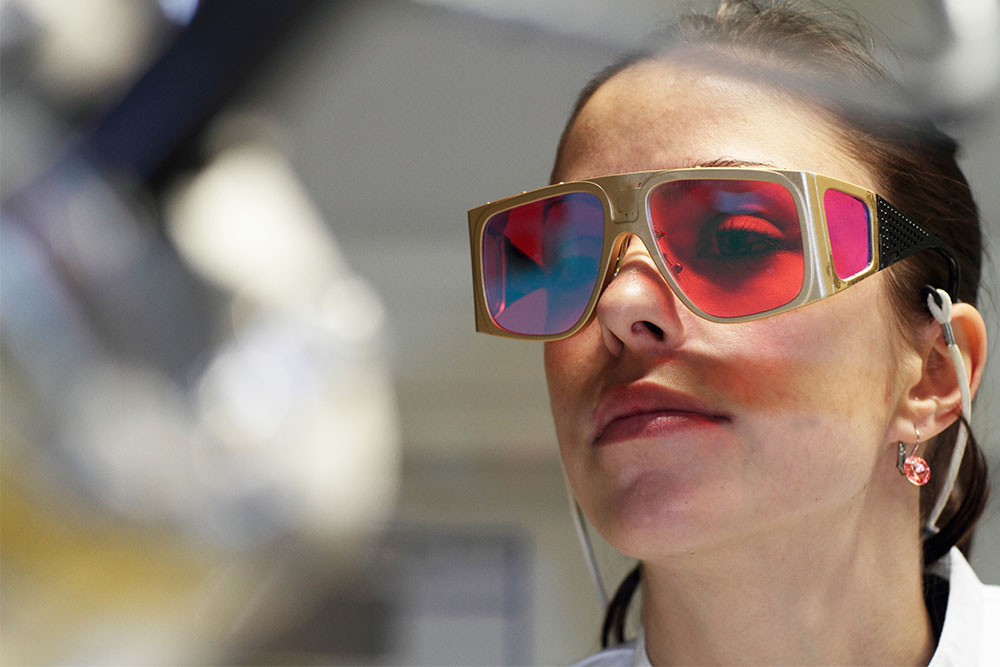
Understanding OD (Optical Density) In Laser Safety Protocols
Quick Summary Optical density ratings determine whether a piece of...
Read more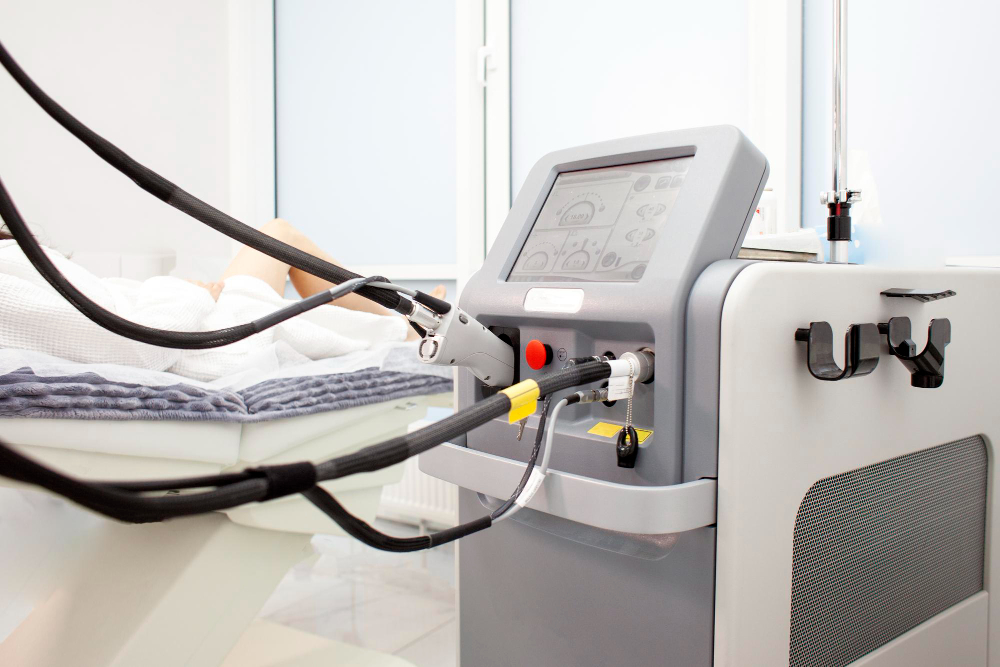
Understanding Long-Pulsed Nd:YAG Laser Technology
Quick Summary Pulse duration significantly influences how a laser ...
Read more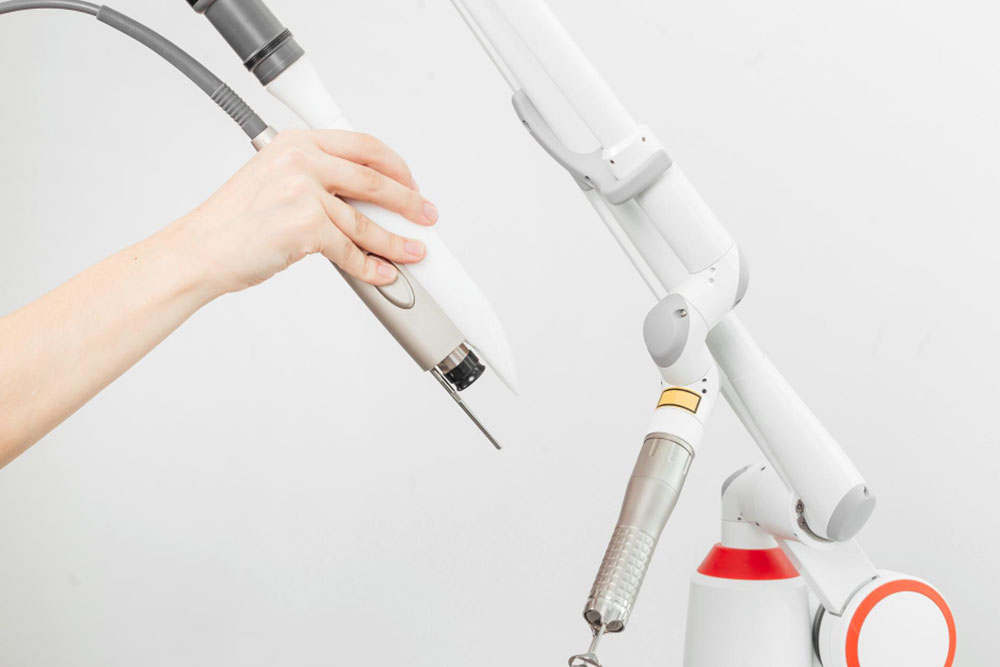
Nd:YAG Lasers Explained: How They Work And Their Practical Uses
Quick Summary This type of laser combines a neodymium-doped crysta...
Read more