Large Aperture Laser Shutters: 4 Best Applications

High-power optical systems rely on precise control of the beam to operate safely and accurately. In industrial, medical, and research applications, factors like beam size, timing accuracy, and exposure control play a key role in overall performance.
As systems progress toward higher energy levels and wider beam paths, mechanical shutter solutions must meet requirements that go far beyond basic on-off functionality.
At NM Laser Products, more than three decades of engineering experience have directed our approach to shutter design for advanced optical systems. The applications of a large aperture laser shutter highlight real integration challenges found in production environments and laboratories alike.
Applications of a Large Aperture Laser Shutter in Industrial Systems
Industrial laser equipment relies on controlled beam delivery to maintain safety and process accuracy. Cutting, welding, drilling, and marking systems operate at high power levels with beam diameters that often exceed the limits of compact shutters.
Large aperture shutters function as physical gatekeepers in these systems. They block laser emission during maintenance, material changes, and emergency shutdowns, then reopen only when operating conditions allow. This open-and-close motion gives operators precise control over exposure without altering beam alignment.
Mechanical designs remain common in factory environments due to predictable behavior and long-term reliability. Many industrial systems also depend on integration with safety interlocks, making shutter response time a key factor. Engineers frequently select shutters from established laser shutters and optical beam shutters product families to match aperture size, actuation speed, and mounting constraints.
- Precision Beam Control in Scientific Research Facilities
Research laboratories place unique demands on laser shutters. Experiments often depend on exact timing, repeatable exposure windows, and minimal disturbance to optical setups. Even minor vibration can compromise measurement accuracy.
Large aperture laser designs suit high-energy pulsed lasers commonly used in spectroscopy, microscopy, and optical experiments. These beams require unobstructed paths that smaller shutters cannot accommodate. Mechanical shutters allow researchers to gate beams without introducing electronic noise or altering optical alignment.
Low-vibration shutter options play a key role in this environment. Blade materials, actuation methods, and mounting configurations all influence system stability. Researchers value shutters that open and close cleanly without transmitting mechanical disturbances across optical tables.
- Safety-Critical Roles in Medical Laser Platforms
Medical laser systems operate under strict safety requirements for both patients and clinicians. Beam exposure must occur only during controlled treatment windows. Large aperture shutters contribute to this control by physically isolating the laser when the system enters standby or fault states.
Dermatology, ophthalmology, and surgical platforms often rely on wide beam profiles and moderate to high power levels. Shutters in these systems must respond consistently across repeated cycles without performance drift.
Mechanical shutter designs offer a dependable method for beam isolation inside medical equipment. Physical blocking adds an extra layer of protection beyond electronic controls. In regulated environments, predictable mechanical performance supports long-term system validation and reliability.
- Optical Communication and Beam Routing Applications
Optical communication systems and advanced beam routing assemblies require shutters to manage beam paths during configuration changes, maintenance, and fault conditions. Free-space optical systems, in particular, depend on physical beam blocking to protect sensitive components.
Large aperture shutters can accommodate wider beams used in these systems without clipping or diffraction. Mechanical actuation allows engineers to isolate sections of the optical path without introducing stray reflections or contamination.
In dynamic optical networks, shutter response speed matters. A large aperture fast shutter speed helps align beam control with system logic and safety protocols. Engineers often favor designs that balance rapid actuation with mechanical durability across long operational lifetimes.
- Metrology and Measurement Instruments Requiring Repeatability
Precision measurement tools depend on controlled interactions between lasers, targets, and detectors. Interferometry systems, distance measurement instruments, and alignment tools rely on consistent exposure timing to deliver accurate results.
Large aperture shutters allow beams to engage only during active measurement windows. This control reduces background noise and limits unwanted reflections that could affect data quality. Mechanical shutters provide repeatable performance without relying solely on electronic modulation.
Durability plays a significant role in metrology environments. Measurement systems may cycle shutters thousands of times per day. Eliminating gear heads and brush-type motors improves longevity and reduces maintenance requirements over extended service periods.
Design Factors that Shape Large Aperture Performance
Large-aperture shutters face challenges that go beyond basic beam interruption. Blade materials need to withstand high optical power while maintaining long-term stability. Aperture geometry must preserve beam quality in both open and closed positions. Actuation systems also need to support frequent cycling without degrading performance.
Spring-loaded designs, solenoid-driven mechanisms, and motor-based solutions each offer distinct advantages based on application demands. Custom design options allow engineers to select blade thickness, materials, and coatings that align with specific wavelength and power requirements.
Why Large Aperture Matters in High-Energy Systems
Laser power continues to rise across industrial and scientific applications. Wider beams reduce energy density and help manage thermal effects. However, they also demand shutter solutions capable of handling larger optical footprints.
Large aperture shutters allow system designers to manage these beams safely without compromising performance. Physical beam blocking remains one of the most direct and reliable methods of laser control, especially in environments where electronic modulation alone cannot meet safety or reliability requirements.
Engineering Experience Behind Reliable Laser Shutters
Not all shutter designs perform equally under real-world conditions. Heat, vibration, duty cycle, and integration constraints influence long-term performance. Proven shutter solutions come from understanding how systems behave outside the lab.
Decades of field experience inform how we design shutters that operate consistently across industrial, medical, and scientific platforms. Manufacturing in the United States allows close control over materials, tolerances, and assembly practices, which directly affects reliability over time.
Choosing the Right Shutter for Your Laser System
Selecting a shutter involves more than matching aperture size. Actuation speed, vibration characteristics, blade durability, and mounting flexibility all influence how well a shutter integrates into a laser system.
System designers benefit from evaluating shutter performance in the context of the entire optical assembly. A well-matched shutter can improve safety, protect downstream components, and support accurate beam delivery across repeated cycles.
Large-aperture laser shutters play a core role across industrial production, research laboratories, medical platforms, and precision measurement tools. The right solution depends on application demands, beam characteristics, and long-term performance expectations.
If your laser system requires dependable beam control designed around real operating conditions, connect with our engineering team to explore proven solutions. Let’s discuss shutter designs that align with your system requirements.
Related Blogs
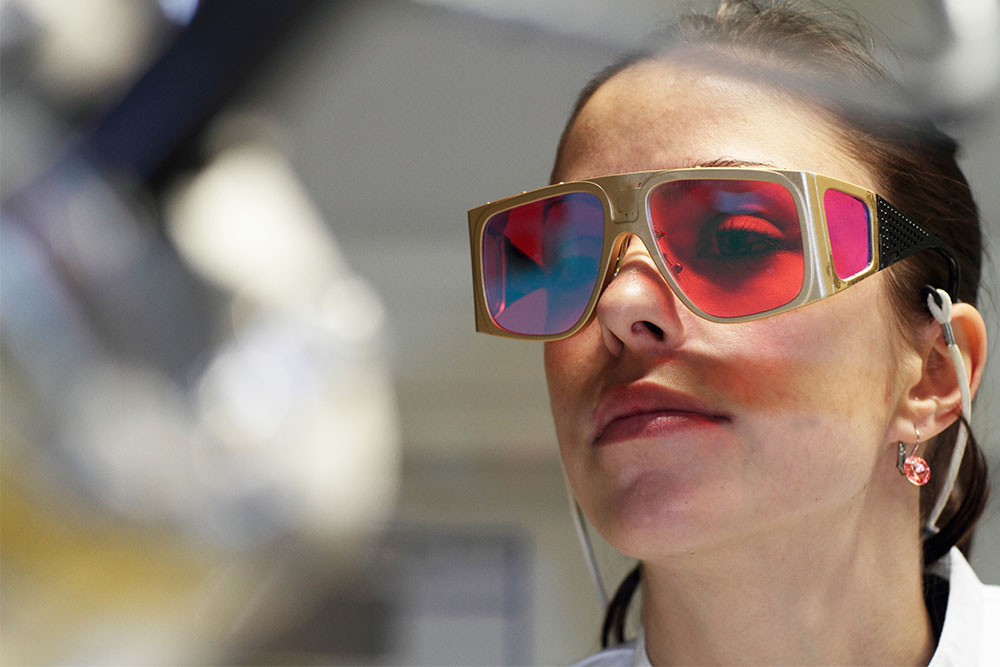
Understanding OD (Optical Density) In Laser Safety Protocols
Quick Summary Optical density ratings determine whether a piece of...
Read more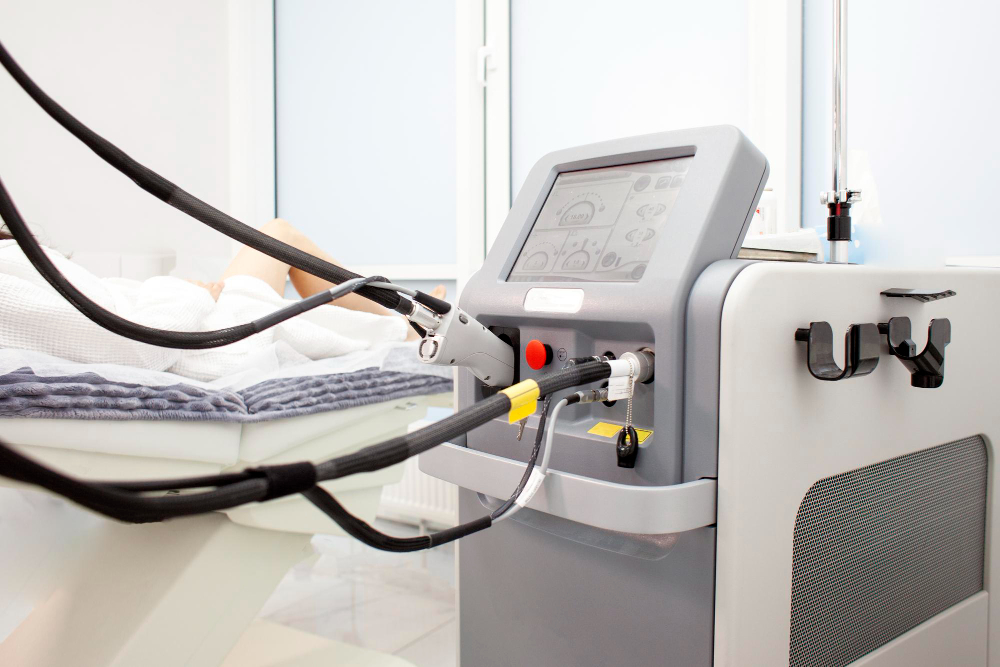
Understanding Long-Pulsed Nd:YAG Laser Technology
Quick Summary Pulse duration significantly influences how a laser ...
Read more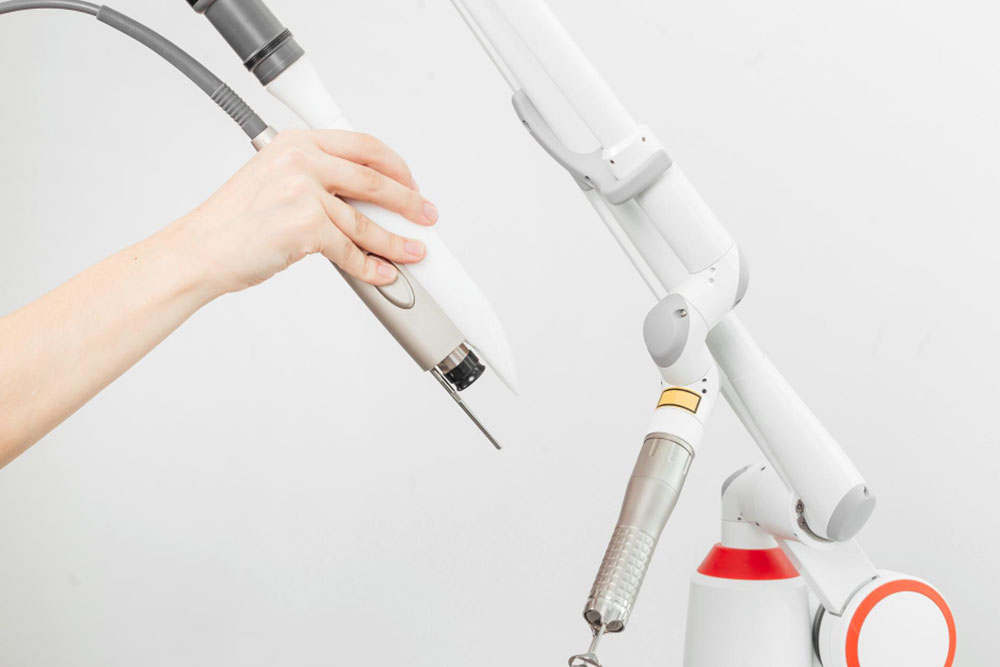
Nd:YAG Lasers Explained: How They Work And Their Practical Uses
Quick Summary This type of laser combines a neodymium-doped crysta...
Read more