YAG Laser Vs. Fiber Laser Shutter: Which One Is Right For You?

Laser technology continues to advance, yet one design question remains constant across industrial, medical, and scientific applications. Engineers still need to control when a beam passes and when it stops. This function falls on the shutter, a component that lives directly in the optical path and absorbs the real-world behavior of the laser source.
Decisions about a YAG laser vs. a fiber laser architecture significantly affect shutter performance, more than many system designers expect.
At NM Laser Products, we have spent more than three decades building shutters that operate inside capital equipment. Our work spans research labs, production floors, and medical systems where beam control affects uptime, safety, and final output quality.
The discussion below focuses on how laser source characteristics affect shutter requirements, long before brand names or catalog numbers are considered.
YAG Laser Vs. Fiber Laser Shutter Fundamentals
Laser shutters do not function in isolation. Their behavior ties directly to how a laser generates and delivers energy. YAG systems rely on a solid crystal pumped by flash lamps or diodes. Energy often arrives in intense pulses, producing high peak power and significant internal heat within the laser cavity. Fiber lasers generate light inside a doped optical fiber and deliver it through a guided medium. Higher electrical efficiency and consistent beam profiles define these systems.
These differences matter because shutters encounter the beam at full intensity. Pulse duration, repetition rate, and beam diameter influence how a shutter blade absorbs and dissipates energy. Nd:YAG platforms commonly require shutters capable of withstanding short bursts at extreme peak power. Fiber-based platforms tend to cycle more frequently, emphasizing actuation speed and endurance over long duty cycles.
Engineers comparing shutter options often review specifications in isolation. Experience shows that performance depends less on advertised wattage and more on how the shutter responds to real operating conditions. Evaluating laser shutters and optical beam shutters in the context of beam behavior can help narrow options before integration begins.
Thermal Behavior and Energy Delivery
Heat represents one of the most underestimated factors in shutter selection. Nd:YAG lasers convert a large portion of electrical input into residual heat. That heat spreads through the laser housing and surrounding components. Shutters positioned downstream absorb the beam itself and also the radiated thermal energy during extended operation.
Fiber lasers change how heat behaves in the system. They use electricity more efficiently, which means less heat builds up around the laser source. At the same time, fiber delivery concentrates energy into a small, well-defined beam. Shutters in these systems face intense localized exposure, especially during continuous operation or rapid cycling.
Blade material, thickness, and surface treatment all influence how heat transfers through the shutter assembly. Designs suited for one laser type may degrade faster in another environment. This reality explains why shutter lifetimes vary so widely between applications that appear similar on paper.
Pulse Structure and Timing Demands
Pulse behavior further separates Nd:YAG and fiber platforms. Many Nd:YAG systems operate in pulsed modes controlled by Q-switches or mechanical shutters upstream. Energy arrives in short, powerful bursts that resemble strobe flashes. Shutters exposed to this pattern must react precisely without hesitation or rebound.
Fiber lasers frequently operate in continuous-wave or high-frequency pulsed modes. The shutter experiences frequent transitions between open and closed states. Mechanical fatigue is a major concern, especially in automated production settings where downtime incurs high costs.
Actuation technology plays a key role here. Response speed, repeatability, and cycle rating determine whether a shutter maintains timing accuracy over months or years of use. Engineers can benefit from aligning shutter dynamics with pulse behavior rather than relying on generalized laser categories.
Mobility, Integration, and System Layout
How a laser system is built and where it operates directly affects shutter selection. Shutters are rarely standalone components. They must fit within an optical path that already includes beam-delivery hardware, safety enclosures, and control electronics.
Nd:YAG laser systems often follow more traditional layouts. Larger power supplies and external cooling equipment usually anchor these systems in a fixed location. Shutters designed for this environment are typically installed in stable, predefined positions where space is less restricted. Transporting or repositioning the system can introduce alignment issues, making mechanical stability a key consideration for shutter assemblies.
The compact architecture and lower power requirements of fiber laser systems enable more flexible layouts and easier relocation. Shutters in these systems are often mounted closer to the laser head or work area, which introduces different design priorities.
Key layout and integration considerations include:
- Available mounting space within the optical path
- Distance between the shutter and the laser output
- Sensitivity to vibration or movement during operation
- Electrical and control interface compatibility
A shutter that integrates cleanly into the system reduces alignment challenges and helps maintain consistent beam control across a wide range of operating conditions.
Maintenance Cycles and Operating Life
Maintenance expectations often separate theoretical shutter performance from real-world reliability. Laser systems run on production schedules, and shutter downtime can affect far more than a single component.
Nd:YAG laser platforms typically involve routine servicing at the source level. Flash lamps, resonator components, and cooling systems require scheduled attention. In many cases, shutter inspection and servicing align with these existing maintenance intervals, making predictable wear behavior especially valuable.
Fiber laser systems demand less maintenance at the laser source, yet shutters may experience higher cycle counts due to continuous or high-frequency operation. In these environments, operating life depends heavily on mechanical durability and consistent actuation.
When evaluating shutter longevity, engineers often look at:
- Rated cycle life under expected operating conditions
- Resistance to wear from repeated opening and closing
- Stability of performance over long run times
- Ease of access for inspection or replacement
A shutter designed with realistic maintenance cycles in mind helps minimize unexpected interruptions and supports long-term system reliability.
Where Purpose-Built YAG Shutters Matter
Certain platforms benefit from shutters designed specifically around Nd:YAG behavior. High peak energies and legacy system architectures call for assemblies engineered to meet those demands. Purpose-built YAG laser shutters address these conditions through materials and geometries proven under pulsed exposure.
Align Your Laser System with the Right Shutter Strategy
Beam control shapes safety, uptime, and process consistency. Matching shutter design to laser behavior protects system performance and reduces long-term risk. Thoughtful evaluation early in the design phase can lead to smoother integration and more predictable results.
At NM Laser Products, our role is to translate those considerations into shutter designs that operate quietly and consistently in various environments. Our experience across both Nd:YAG and fiber platforms informs recommendations grounded in your system’s behavior.
Connect with our team to discuss shutter options tailored to your laser platform and application goals.
Related Blogs
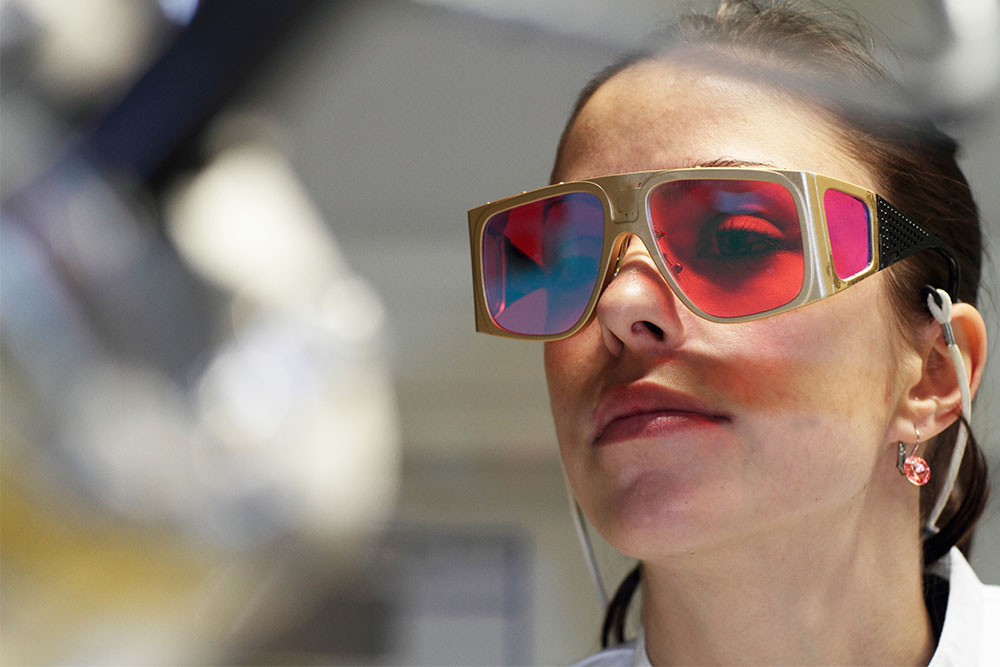
Understanding OD (Optical Density) In Laser Safety Protocols
Quick Summary Optical density ratings determine whether a piece of...
Read more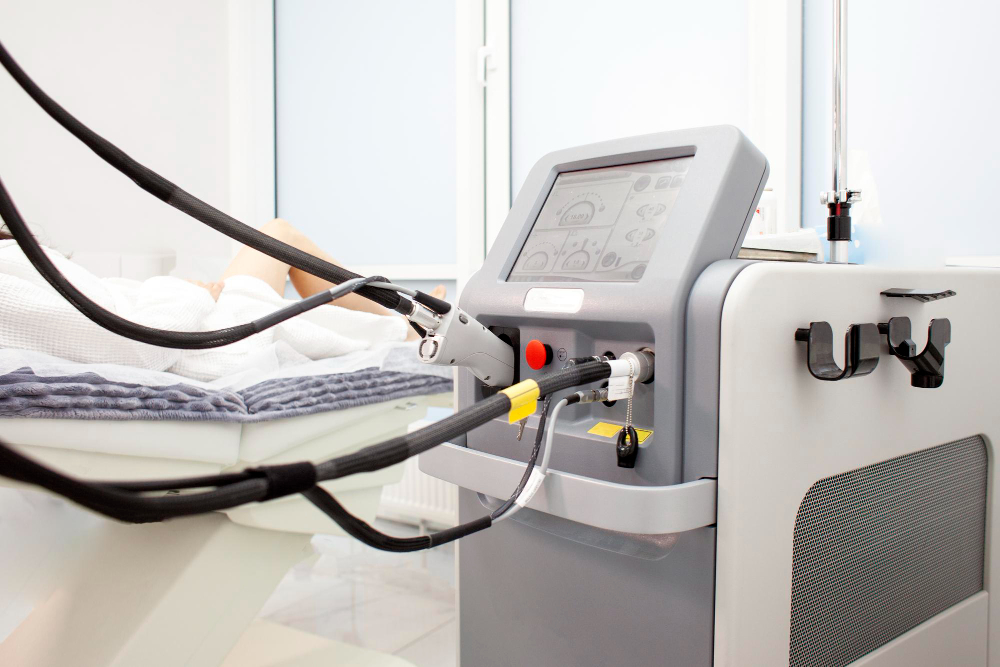
Understanding Long-Pulsed Nd:YAG Laser Technology
Quick Summary Pulse duration significantly influences how a laser ...
Read more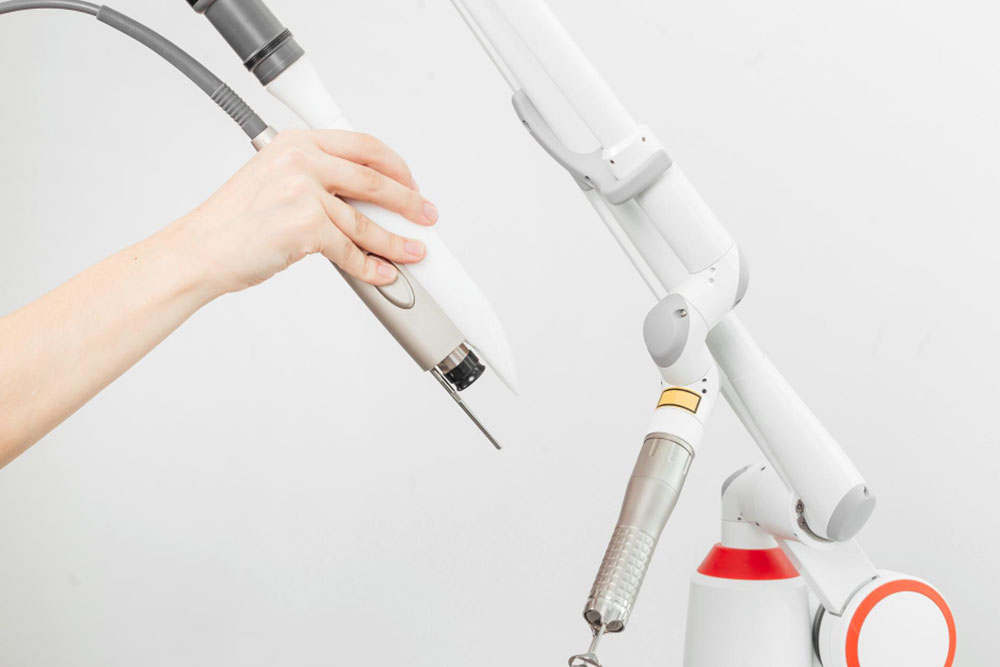
Nd:YAG Lasers Explained: How They Work And Their Practical Uses
Quick Summary This type of laser combines a neodymium-doped crysta...
Read more