Class 1 Laser Regulations: What You Need To Know

Quick Summary
Class 1 lasers sit at the lowest end of the laser hazard scale, but the classification involves more than simply using a low-power laser source. This page explains how class 1 is defined, how embedded laser systems achieve it, what regulatory obligations apply to manufacturers, and what the class 1 laser pointer category means in practice. It is aimed at engineers, compliance officers, and product developers working with laser products in regulated markets.
The laser safety classification system exists because lasers span an enormous range of hazard levels, from the harmless to the immediately dangerous, and users and regulators need a consistent way to communicate those differences.
At the safest end of that scale sit class 1 lasers, defined as lasers that are safe under all conditions of normal use. Understanding what that definition actually means, how it is formally determined, and what obligations it places on manufacturers is important for anyone involved in designing, certifying, or procuring laser products.
What Defines a Class 1 Laser
A class 1 laser product is one where the accessible emission during normal use falls below the threshold at which the beam can cause injury to the eye or skin, even with prolonged direct exposure. This threshold is called the Accessible Emission Limit, or AEL, and it is defined in the primary laser safety standards: IEC 60825-1 internationally, and 21 CFR Part 1040 in the United States under FDA jurisdiction.
Importantly, the classification applies to the product as a whole, not just the laser source inside it. Many class 1 products contain laser sources that would be classified at a higher hazard level on their own. The product achieves class 1 status because the enclosure, optics, and safety laser shutters or interlocks prevent any accessible emission from exceeding the AEL under foreseeable conditions of use. CD and DVD players, laser printers, and certain medical scanners are familiar examples of class 1 products that contain higher-class laser sources.
How Classification Is Formally Determined
Classification requires a systematic assessment of accessible emission through every aperture in the product under all foreseeable use conditions, including normal operation, single fault conditions, and reasonably foreseeable misuse. The AEL takes into account the laser’s wavelength, the duration of exposure, and the aperture size through which emission can be accessed.
For manufacturers, this means that classification cannot be determined by looking at the laser source specification alone. The complete optical and mechanical design, including any beam control components and safety interlocks, must be assessed together. A change to the enclosure design, a new aperture, or a modification to the optical path may require a reassessment of the product’s classification.
Regulatory Requirements for Class 1 Laser Products
In the United States, laser products must comply with FDA regulations under 21 CFR Part 1040 before they can be marketed. Manufacturers are required to register with the FDA, file an Initial Report before commercial distribution, certify that the product complies with applicable performance standards, and maintain records of testing and certification.
Class 1 products have less extensive reporting requirements than higher-hazard classes, but registration and certification are still mandatory. Products must carry a label identifying the laser class. Embedded laser systems that contain higher-class sources within a class 1 enclosure have additional requirements, including documentation of the internal laser classification and instructions for service access that address the higher-class hazard inside the enclosure.
IEC 60825-1 applies in most international markets. Many countries have adopted it directly or referenced it in national regulations, and manufacturers selling across multiple markets typically need to demonstrate compliance with both frameworks.
Class 1 Laser Pointers
The class 1 laser pointer category is a practical source of confusion because not all products sold as class 1 laser pointers actually meet the classification requirements. A genuine class 1 laser pointer emits power below the AEL at its operating wavelength in its normal configuration, posing no realistic vision hazard under any normal use scenario.
The difficulty is that the market for consumer laser pointers is imperfectly regulated and compliance documentation is not always verified before sale. Products labeled as class 1 do not always meet the standard. For professional or educational procurement, verifying compliance documentation from the manufacturer and cross-referencing against the relevant standard is the responsible approach.
The Safety Interlock Components Behind Class 1 Compliance
For embedded laser systems, the validity of the class 1 classification depends directly on the reliability of the enclosure and interlock components that prevent accessible emission from exceeding the AEL. If a safety shutter fails to close reliably, or an interlock wears out before the end of the product’s service life, the accessible emission may rise above the AEL during a fault condition, undermining the basis for the classification.
This is why the service life and reliability of laser interlock shutters used in class 1 embedded systems matter as much as their initial performance. A component rated for 100 million cycles that degrades significantly before that point represents a compliance risk as the product ages in the field.
Safety Components Built for Compliance-Critical Designs
NM Laser Products manufactures fail-safe laser safety shutters with service lives up to 2 billion cycles, independent position sensors that physically confirm blade state, and optical power handling up to 300 watts.
USA-manufactured and backed by 35 years of engineering experience, our shutters are built for the long-term reliability that embedded class 1 system designs demand. Contact our team to discuss your application.
FAQs
Can a class 1 laser product contain a higher-power laser inside?
Yes. Many class 1 products contain laser sources that would be classified at a higher hazard level independently. The product achieves class 1 status because the enclosure and safety systems prevent accessible emission from exceeding the class 1 AEL under all foreseeable conditions of normal use.
Are class 1 lasers completely safe to look at directly?
Class 1 lasers are considered safe under all conditions of normal use, including accidental direct viewing. This classification is based on accessible emission during normal operation. Deliberately defeating enclosures or interlocks to access the internal beam of an embedded system removes the basis for the class 1 classification and is hazardous.
Does a class 1 laser product still need FDA registration in the United States?
Yes. All laser products marketed in the United States, including class 1 products, require FDA registration and certification under 21 CFR Part 1040. Class 1 products have less extensive ongoing reporting obligations than higher-hazard classes, but initial registration and certification before commercial distribution are mandatory.
Related Blogs
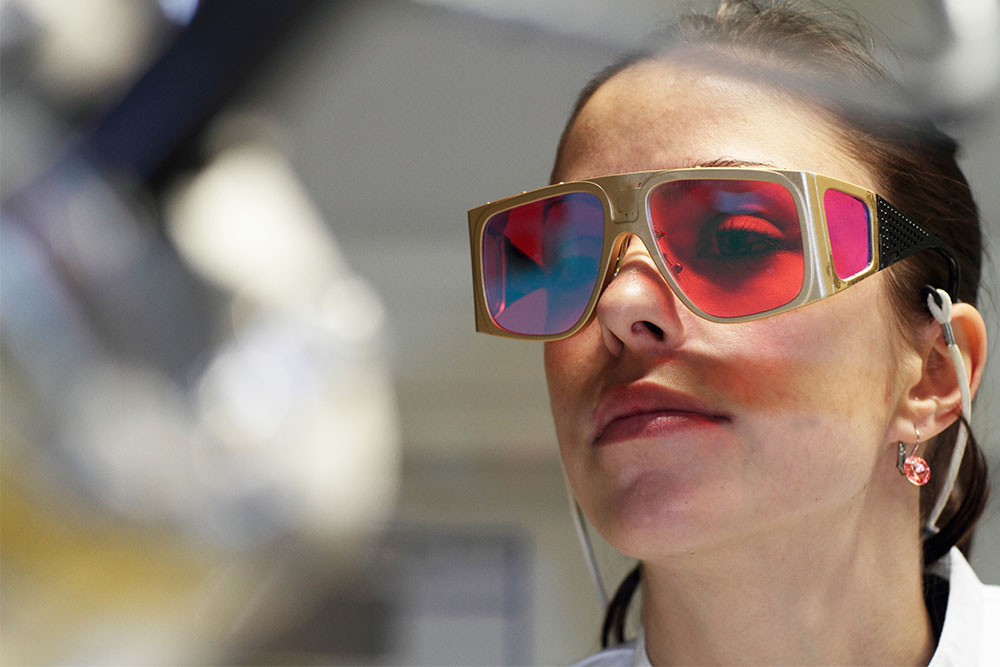
Understanding OD (Optical Density) In Laser Safety Protocols
Quick Summary Optical density ratings determine whether a piece of...
Read more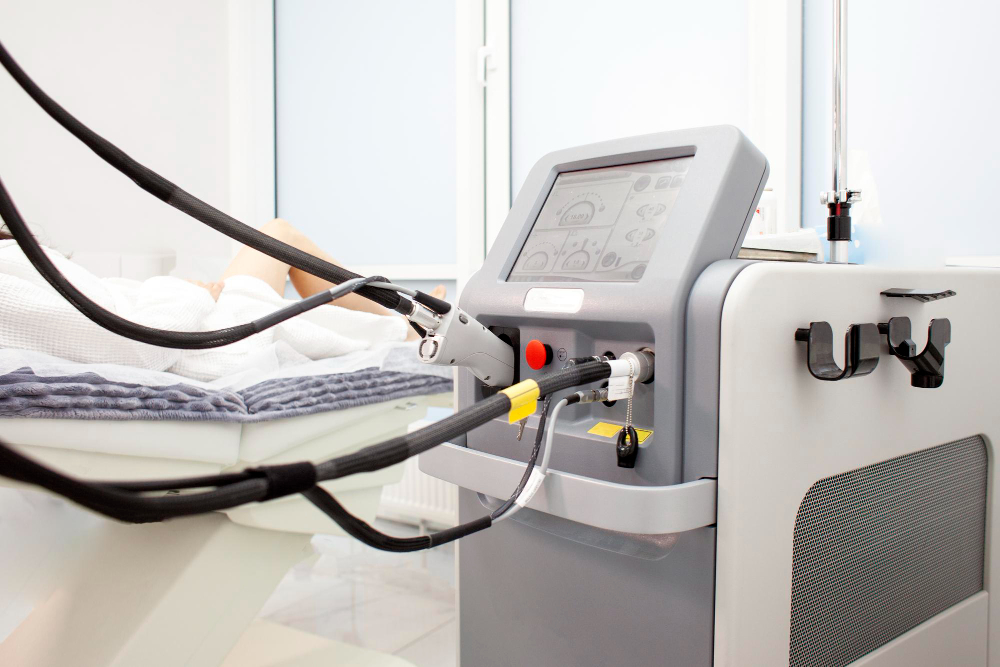
Understanding Long-Pulsed Nd:YAG Laser Technology
Quick Summary Pulse duration significantly influences how a laser ...
Read more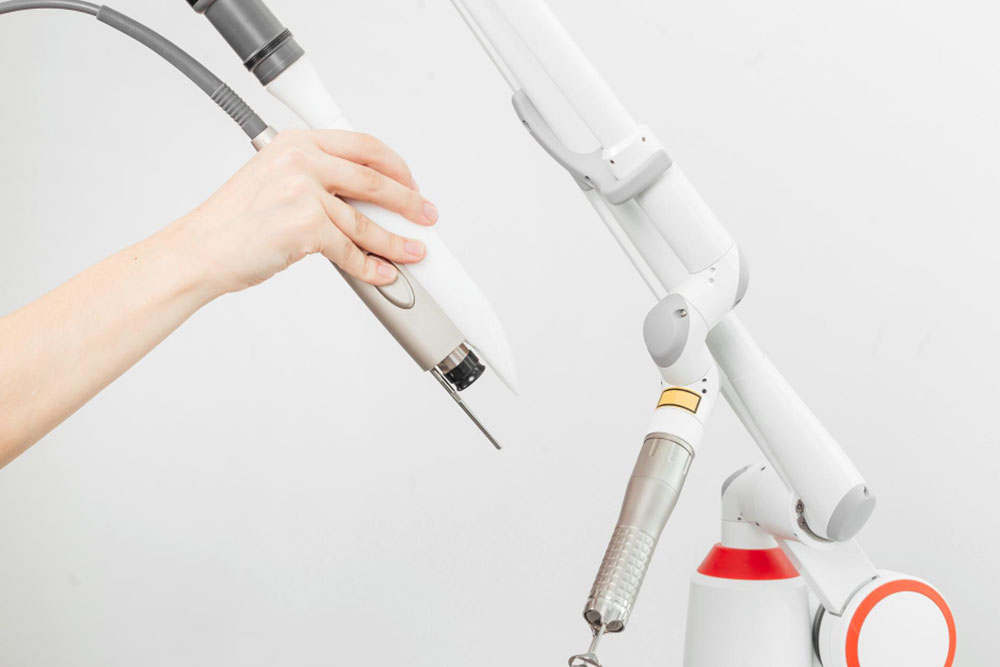
Nd:YAG Lasers Explained: How They Work And Their Practical Uses
Quick Summary This type of laser combines a neodymium-doped crysta...
Read more